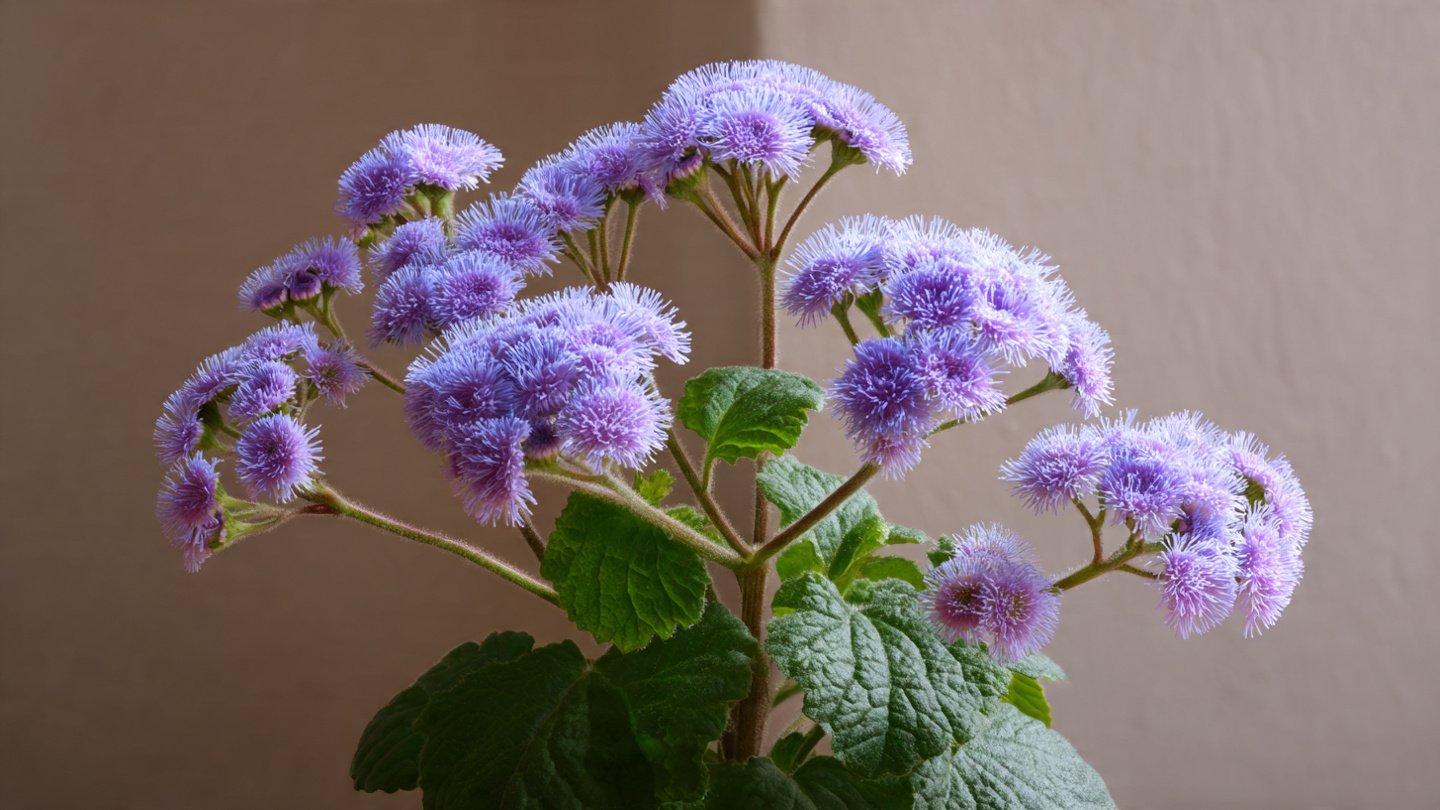
Ageratum, with its fluffy clusters of blue, pink, or white flowers, is a beloved choice for many gardeners seeking to add vibrant colors to their indoor spaces. Known for their resilience and ability to bloom continuously, these charming flowers can be cultivated indoors with the right approach. In this guide, we will explore how to grow Ageratum flowers from seeds to blooms, providing essential tips and addressing common questions.
Understanding Ageratum
What is Ageratum?
Ageratum, commonly known as Floss Flower, belongs to the Asteraceae family. These low-growing plants typically thrive in USDA Zones 3-11 and are primarily grown as annuals in temperate regions. Ageratum is popular due to its long blooming period, which usually spans from late spring to frost. Their soft, fuzzy flowers are attractive to both gardeners and pollinators, making them a perfect in-house flora option.
Choosing the Right Variety
While the most common variety is Ageratum houstonianum, it is wise to research different types to find the one that best suits your indoor conditions. Varieties such as “Blue Horizon,” with its striking blue flowers, or “Princess Blue,” known for its compact size, are popular choices among indoor gardeners.
Preparing for Planting
Timing
The best time to start your Ageratum seeds indoors is typically 6-8 weeks before the last expected frost date in your area. This timing allows for strong seedlings to develop before being transferred outside or remaining indoors for continued growth.
Gathering Supplies
Before planting, gather the necessary supplies:

- Seeds: Choose high-quality Ageratum seeds from a reputable source.
- Seed Starting Mix: A light, well-draining mix is essential for seed germination.
- Containers: Use seed trays or small pots that have adequate drainage holes.
- Watering Can: For gentle, controlled watering.
- Plastic Wrap or Clear Domes: To retain humidity during germination.
- Grow Lights or Sunny Window: Ageratum thrives in bright, indirect light.
Planting Ageratum Seeds
Step-by-Step Planting Process
- Prepare the Containers: Fill your seed trays or small pots with the seed starting mix, leaving about half an inch from the top.
- Sow Seeds: Ageratum seeds are tiny. Sprinkle them lightly on the surface of the soil, and do not cover them with soil; they require light to germinate.
- Watering: Use a gentle mist to water the seeds, ensuring the mix is moist but not overly saturated.
- Humidity: Cover the trays with plastic wrap or clear domes to maintain humidity. Remove the cover once the seeds begin to sprout.
Germination Conditions
Seeds typically germinate in 7-14 days if kept at a temperature of 70-75°F (21-24°C). Maintaining this temperature is crucial for successful germination.
Caring for Seedlings
Light Requirements
Once seedlings emerge, they need plenty of light to grow strong. The best option is to place them under grow lights for 12-16 hours a day or in a bright, sunny window that receives indirect sunlight.
Watering
Let the top layer of soil dry out slightly between waterings. Overwatering can lead to root rot, so it’s essential to maintain adequate moisture without waterlogging the soil.
Fertilization
After seedlings develop two sets of true leaves, begin feeding them with a diluted, balanced liquid fertilizer every two weeks. This boosts their growth and ensures they receive essential nutrients to thrive.
Thinning Seedlings
If multiple seeds germinate in a single pot, thin them out so that the remaining seedlings have ample space to grow. Aim for at least 3-4 inches (7-10 cm) between each seedling.

Transplanting to Larger Pots
When to Transplant
Once seedlings grow to about 2-3 inches (5-7 cm) tall and develop several true leaves, it’s time to transplant them into larger pots. This stage allows for adequate root development and gives your plants the space they need to thrive.
How to Transplant
- Prepare New Pots: Use pots with good drainage and fill them with fresh potting soil.
- Remove Seedlings: Gently grasp the seedlings by their leaves and carefully remove them from their original container.
- Replant: Dig a hole in the new pot’s soil and place the seedling in the hole at the same depth it was growing before. Gently firm the soil around the base to eliminate air pockets.
- Water Thoroughly: After transplanting, give the seedlings a good watering to help them settle into their new environment.
Maintaining Ageratum Indoors
Light and Temperature
Ageratum loves light! Ideally, provide them with at least 6 hours of bright, indirect sunlight daily. If you notice leggy growth, it may be a sign they need more light. The indoor temperature should ideally range from 65-75°F (18-24°C).
Watering
Water Ageratum consistently but don’t let them sit in soggy soil. Allow the top inch of soil to dry out between waterings. Using a moisture meter can help ensure you’re watering appropriately.
Pest Control
Keep an eye out for common pests such as aphids and spider mites. If you spot an infestation, treat the plants with insecticidal soap or neem oil. Regularly inspecting your plants can help catch these pests early.
Pinching
To encourage bushier growth and more blooms, pinch back the tips of the growing stems when the plants are about 6 inches (15 cm) tall. This promotes lateral growth and increases flowering.

Encouraging Blooms
Fertilization
Switch to a bloom-boosting fertilizer once buds start to form. Look for a fertilizer higher in phosphorus (the middle number in the N-P-K formulation) to encourage flowering.
Deadheading
Regularly deadhead spent flowers to stimulate the production of new blooms. This practice not only keeps your plant looking tidy but also encourages more vibrant growth.
Troubleshooting Common Issues
Yellowing Leaves
If the leaves of your Ageratum start to yellow, it may indicate overwatering, nutrient deficiency, or a pest issue. Check your watering schedule and examine the roots for any signs of disease.
Stunted Growth
This can be a result of insufficient light. Move your plants closer to the light source or consider using grow lights to ensure they receive adequate light.
Poor Flower Production
If your Ageratum isn’t blooming as expected, it might be due to overcrowding, lack of nutrients, or inadequate light. Ensure proper spacing and follow a fertilization schedule.

Harvesting Seeds for Next Season
Once your Ageratum has finished blooming and the flowers fade, allow some to dry on the plant. Once the flower heads are brown and dry, collect them and store the seeds in a cool, dark place for future planting.
FAQs
1. Can Ageratum be grown outdoors after starting indoors?
Yes, after the threat of frost has passed, Ageratum can be moved outdoors. Gradually acclimatize them to outdoor conditions by placing them outside for a few hours daily before transplanting them into garden beds.
2. How often should I fertilize Ageratum?
Fertilize Ageratum every two weeks using a balanced liquid fertilizer. Switch to a bloom-boosting fertilizer when buds start developing.
3. How much water do Ageratum plants need?
Water Ageratum thoroughly but infrequently, ensuring the top inch of soil dries out between waterings. Avoid waterlogging the soil to prevent root rot.
4. Can I grow Ageratum in low light conditions?
While Ageratum can tolerate some low light, they thrive best in bright, indirect sunlight. Insufficient light can lead to weak, leggy growth.

5. Are Ageratum flowers attractive to pollinators?
Yes, Ageratum flowers are quite attractive to pollinators like bees and butterflies, making them a great addition to gardens aiming to support local wildlife.
Conclusion
Growing Ageratum flowers indoors can be a rewarding experience that brightens your living space with color and beauty. By following these essential tips, from planting seeds to encouraging blooms, you can cultivate healthy plants that thrive indoors. Remember to monitor their growth and provide the care they need, and soon you’ll enjoy the vibrant colors and delightful fluffiness of Ageratum in your home. Happy gardening!