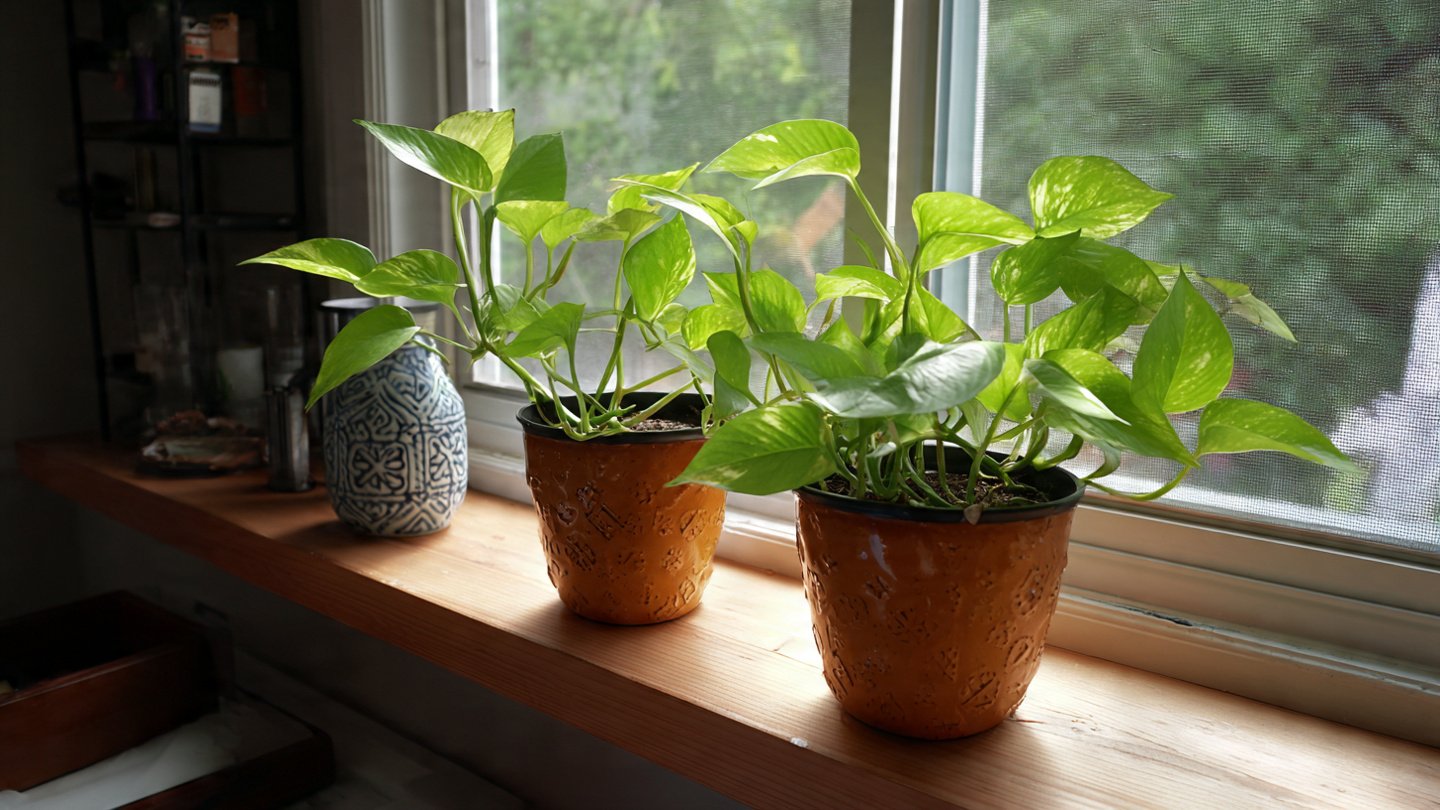
Pothos (Epipremnum aureum), also known as devil’s ivy or golden pothos, is one of the most popular houseplants, cherished for its beautiful trailing vines and heart-shaped leaves. Its reputation as a resilient plant that thrives in low light conditions makes it ideal for indoor environments. This article will explore effective strategies for growing pothos indoors without direct sunlight, ensuring your plant remains healthy and vibrant.
Understanding Pothos
Before delving into growth strategies, it’s essential to understand why pothos is such a favored houseplant. Pothos is an adaptable and forgiving plant, capable of surviving in a variety of conditions, including:
- Low Light: Pothos can thrive in low-light conditions, making it suitable for spaces with limited natural light.
- Varied Watering Needs: It can tolerate periods of neglect, though drowning it is a common error among beginners.
- Air Purification: Pothos is known for its air-purifying qualities, effectively removing toxins such as formaldehyde from the air.
The plant grows best in USDA Hardiness Zones 10-12, but it can flourish indoors anywhere around the globe with the right care.
Optimal Conditions for Pothos Indoors
1. Choosing the Right Location
Since pothos doesn’t require direct sunlight, select a spot with bright, indirect light. Ideal places include:
- Near Windows: Position it a few feet away from a window where it can receive filtered light.
- Bright Rooms: Locate it in a well-lit room but away from harsh light sources.

2. Ideal Potting Mix
Using the right potting mix is crucial for the growth of pothos. A well-draining mix prevents root rot, which is common in low light conditions due to slower evaporation rates. Here’s how to create a suitable mix:
- Peat Moss: Retains moisture while providing good drainage.
- Perlite or Sand: Enhances drainage and prevents compaction.
- Compost: Provides nutrients that will support healthy growth.
3. Pot Size and Type
The size of the pot can influence growth. Choose a pot that is not excessively large; a smaller pot will encourage the plant to focus on root development rather than excessive foliage growth. Also, ensure the pots have drainage holes to prevent water stagnation.
Watering Techniques
4. Watering Frequency
Watering is a critical aspect of pothos care. A general rule is to water when the top inch of the soil feels dry. In low-light conditions, pothos requires less frequent watering, so monitor the soil moisture level closely. Here are some tips:
- Check Soil Moisture: Stick your finger one inch into the soil; if it feels dry, it’s time to water.
- Use Room Temperature Water: Cold water may shock the roots; warm water is more conducive to growth.

5. Water Quality
Use distilled water or rainwater if possible, as minerals found in tap water can accumulate and affect the plant’s health over time.
Humidity and Temperature
6. Maintaining Humidity Levels
Pothos thrive in humidity levels between 40-60%. Since indoor environments are often drier, especially during winter months, consider the following methods to maintain humidity:
- Mist Leaves: Lightly misting the leaves can provide an added level of moisture, but should not replace watering.
- Pebble Trays: Place your plant pots on trays filled with water and pebbles to increase humidity as the water evaporates.
7. Temperature Considerations
Pothos prefer temperatures between 65°F and 85°F (18°C to 29°C). Keep them away from cold drafts, heating vents, and areas with extreme temperature fluctuations.
Fertilization Guidelines
8. When to Fertilize
Fertilization is essential to ensure your pothos receives the necessary nutrients, particularly during the growing season (spring and summer). Here are key points:
- Use Balanced Fertilizer: A balanced liquid fertilizer (like a 20-20-20 NPK) diluted to half-strength will suffice every 4-6 weeks during active growth periods.
- Avoid Over-fertilizing: Too much fertilizer can lead to leaf burn; less is more in low light situations.

Pruning and Training
9. Pruning Techniques
To maintain a bushy and healthy pothos, regular pruning is crucial. Here’s how to effectively prune:
- Cut Above Nodes: Cut the stem just above a node (the part of the stem where leaves grow) to encourage new growth.
- Remove Yellow Leaves: Regularly check for yellowing leaves, which can indicate over-watering or low-light stress, and remove them.
10. Training Vines
Pothos naturally trails, making it perfect for hanging baskets or shelves. You can also train it to climb using trellises or poles:
- Support Structures: Use wooden or bamboo stakes to help support the plant as it grows.
- Twisting Vines: If the plant begins to trail, gently twist the vines around the support structure for a desired look.
Monitoring for Pests and Diseases
11. Keeping an Eye on Health
Regularly inspect your pothos for any signs of pests or diseases. Common culprits include:

- Spider Mites: Small, web-spinning pests that thrive in dry conditions.
- Mealybugs: These tiny white insects tend to congregate in the leaf axils.
Maintaining good air circulation and avoiding over-watering can help prevent these issues. If pests are spotted, treat with insecticidal soap or neem oil.
Additional Tips
12. Propagation
Pothos is known for its ease of propagation, which can be a fun way to multiply your plants. Use cuttings to propagate in water or soil:
- In Water: Place cuttings in a glass of water, ensuring that at least one node is submerged. Change the water regularly.
- In Soil: Alternatively, plant cuttings directly into potting mix and keep them moist until they establish roots.
Conclusion
Pothos is a forgiving and versatile plant that can thrive indoors without direct sunlight, making it an excellent choice for various indoor environments. By understanding its unique needs in terms of light, water, humidity, and care, you can enjoy a vibrant and healthy pothos plant. Regular monitoring, pruning, and attention to environmental conditions will ensure your pothos flourishes beautifully.
FAQs

1. Can pothos grow in complete darkness?
No, pothos require some light to survive, though they can tolerate low light conditions.
2. How often should I water my pothos?
Water your pothos when the top inch of soil feels dry; this could range from once a week to every couple of weeks depending on environmental conditions.
3. Are pothos safe for pets?
Pothos are mildly toxic to pets if ingested. Keep them out of reach of curious animals.
4. What are the signs that my pothos is not happy?
Signs of distress include yellowing leaves, wilting, or brown tips, indicating issues such as over-watering, under-watering, or insufficient light.
5. Can I use regular tap water for my pothos?
Yes, but it’s preferable to use distilled or rainwater to avoid mineral buildup.
By following these strategies for your pothos, you can achieve a beautiful, thriving plant that enhances your indoor space without the need for direct sunlight. Happy gardening!