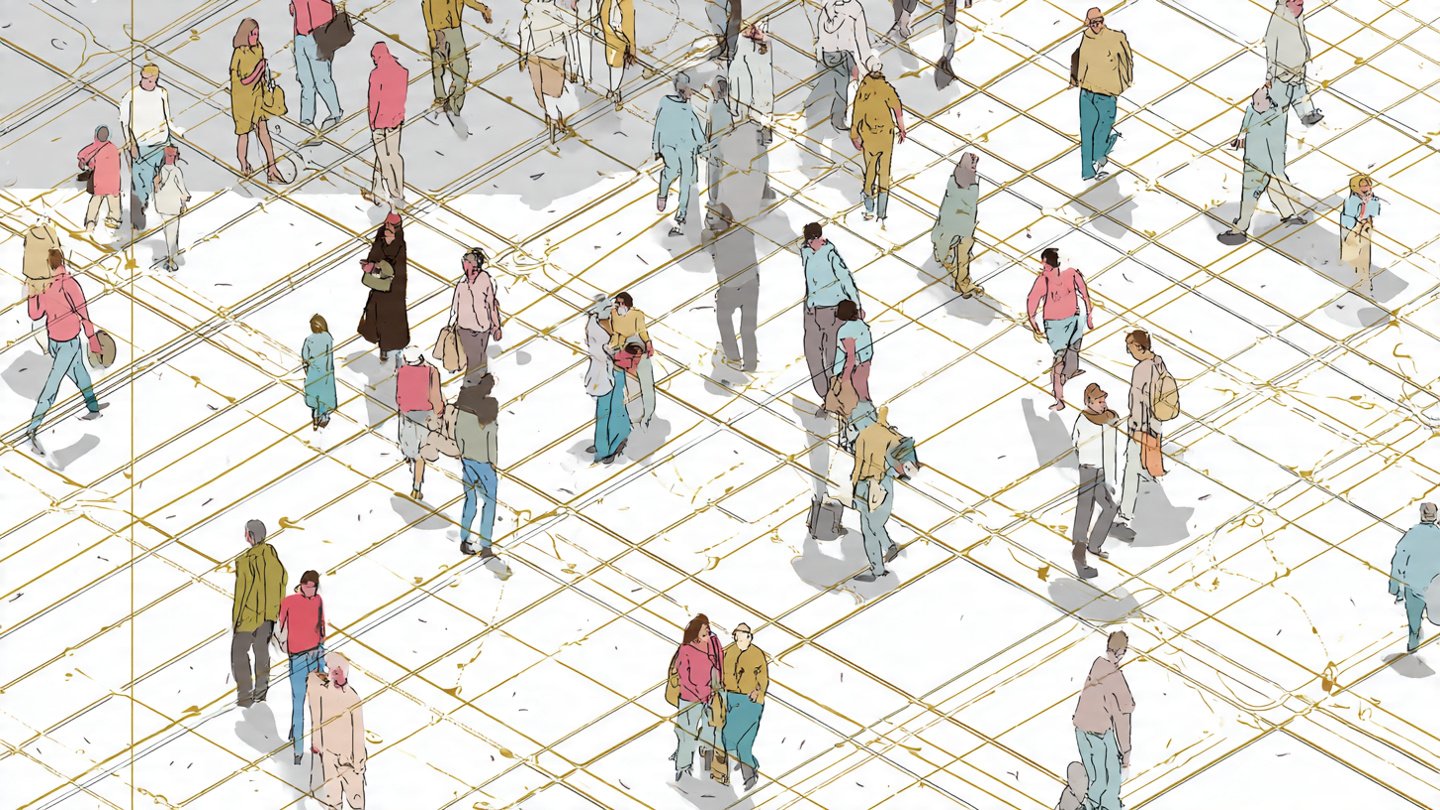
In an age where infectious diseases can rapidly spread, understanding and implementing effective spacing techniques in public spaces is crucial to safeguarding public health. From restaurants to schools, parks, and transportation hubs, spacing strategies can dramatically mitigate disease transmission. This article explores various effective spacing techniques that can help reduce infection rates and promote healthier communities.
The Importance of Spacing in Disease Prevention
Human beings tend to congregate in public spaces, which can often facilitate the spread of communicable diseases like influenza, COVID-19, and other airborne or surface-borne pathogens. Spacing techniques aim to minimize close contact between individuals, thereby reducing the potential for viruses to spread from one person to another. These techniques not only protect individuals but contribute to the overall health of communities, workplaces, and public environments.
Understanding Disease Transmission
Before discussing effective spacing techniques, it’s essential to understand how diseases spread. The primary modes of transmission include:
- Airborne Transmission: This occurs when pathogens are carried on dust or droplets in the air. Diseases like COVID-19 exemplify this mode of transmission.
- Direct Contact: This includes physical interactions like handshakes.
- Indirect Contact: This occurs through contaminated surfaces, where a person touches an infected surface and then touches their face.
Understanding these mechanisms is critical to implementing effective spacing techniques.
Effective Spacing Techniques
1. Social Distancing
One of the most promoted measures during the COVID-19 pandemic was social distancing, which involves maintaining a physical distance of at least six feet from others. This practice helps reduce the likelihood of airborne pathogens reaching another person.
Implementation:

- Public Signage: Clear markings can be placed on the floors of supermarkets, hospitals, and other public areas to guide individuals in maintaining distance.
- Limit Capacity: Establish a maximum number of people allowed in a specific area at a time. Restaurants and retail stores, for example, can use reservation systems to manage customer flow.
- Seating Arrangements: In venues like theaters and sports arenas, seat spacing can be modified to maintain adequate physical distance.
Challenges:
- Public compliance may vary, necessitating ongoing education and reminders about the importance of maintaining distance.
2. Queue Management
Queues can become hotspots for disease transmission, particularly when individuals are in close proximity for extended periods.
Implementation:
- Staggered Entry: For events or stores, staggered entry times can help diffuse crowds.
- Outdoor Queuing: Moving queues outdoors can minimize enclosed air exposure, reducing the likelihood of airborne transmission.
- Clear Markings: Visual indicators, such as colored tape on the ground, can establish where individuals should stand while waiting.
Challenges:
- Requires reliable enforcement to ensure people adhere to distancing measures while waiting.
3. Transparent Barriers
Barrier systems can be implemented in various public settings, including checkout counters, information desks, and restaurants. These barriers limit direct airflow between individuals, reducing the possibility of transmission.

Implementation:
- Plexiglass Shields: Installation of transparent barriers can protect staff and patrons in high-contact areas.
- Mobile Barriers: In places like hospitals or clinics, mobile barriers can adjust according to the number of visitors.
Challenges:
- Barriers may offer a false sense of security; proper ventilation and other precautions must still be considered.
4. Outdoor Spaces
Utilizing outdoor spaces for gatherings, dining, and activities has shown to be significantly safer than indoor settings due to natural ventilation and dispersion of pathogens.
Implementation:
- Expand Outdoor Dining: Restaurants can create outdoor seating areas to reduce indoor capacity.
- Pop-up Markets and Events: Organizing events in parks or plazas can keep crowds spaced out, minimizing close contact.
Challenges:
- Weather conditions may limit the feasibility of outdoor events at certain times of the year.
5. Technology Integration
Smart technology can assist in monitoring and maintaining safe distances in public spaces.

Implementation:
- Apps for Crowd Management: Utilize mobile applications that inform users about crowded areas or allow individuals to check capacity before arriving.
- Digital Passport Systems: Implement systems where individuals can share their vaccination status or health records before entering certain venues.
Challenges:
- Privacy concerns regarding personal health data must be addressed to ensure public trust.
6. Transportation Guidelines
Public transportation systems are critical for urban mobility but also serve as significant transmission points for diseases.
Implementation:
- Spaced Seating: Mark seats to maintain distances on buses and trains.
- Timed Entry: Create entry schedules to avoid overcrowding during peak times.
- Ventilation: Regularly maintain and ensure optimal ventilation in public transport systems.
Challenges:
- Compliance can vary based on individual behaviors and reliance on public transportation.
7. Event Planning

Events, from concerts to conferences, present unique challenges when considering spacing to prevent disease transmission.
Implementation:
- Hybrid Events: Offer virtual attendance options to reduce physical crowds.
- Larger Venues: Select larger spaces that allow for additional distancing and better air circulation.
- Health Checks: Implement health screenings before entry to events, including temperature checks and self-reporting of symptoms.
Challenges:
- Creating an engaging experience while still adhering to spacing guidelines can be difficult.
8. Educational Campaigns
Education plays a vital role in ensuring the success of spacing techniques. Public awareness campaigns can help reinforce the importance of spacing and other preventive measures.
Implementation:
- Outreach Programs: Use social media, local news outlets, and community boards to disseminate information on effective spacing.
- Workshops and Training: Offer workshops on how businesses and institutions can effectively implement spacing measures.
Challenges:
- Overcoming misinformation and skepticism regarding spacing and disease transmission can be formidable.

9. Community Involvement
Engaging the community in spacing initiatives not only encourages compliance but also fosters a sense of accountability and collective responsibility.
Implementation:
- Community Leadership: Involve local leaders in advocating for spacing measures within neighborhoods.
- Feedback Loops: Create platforms for community members to share concerns or suggestions regarding spacing practices.
Challenges:
- Diverse community attitudes and behaviors must be considered when implementing one-size-fits-all solutions.
Conclusion
Preventing disease transmission in public spaces is a complex, multifaceted challenge that requires a combination of effective spacing techniques and community cooperation. By implementing various strategies such as social distancing, queue management, and transparent barriers, we can significantly reduce the spread of infectious diseases. Ultimately, the success of these measures relies on public compliance and ongoing education that emphasizes the importance of health and safety.
As we navigate future challenges in public health, embracing innovative solutions and fostering a collective sense of responsibility will be essential in creating safer environments for all.