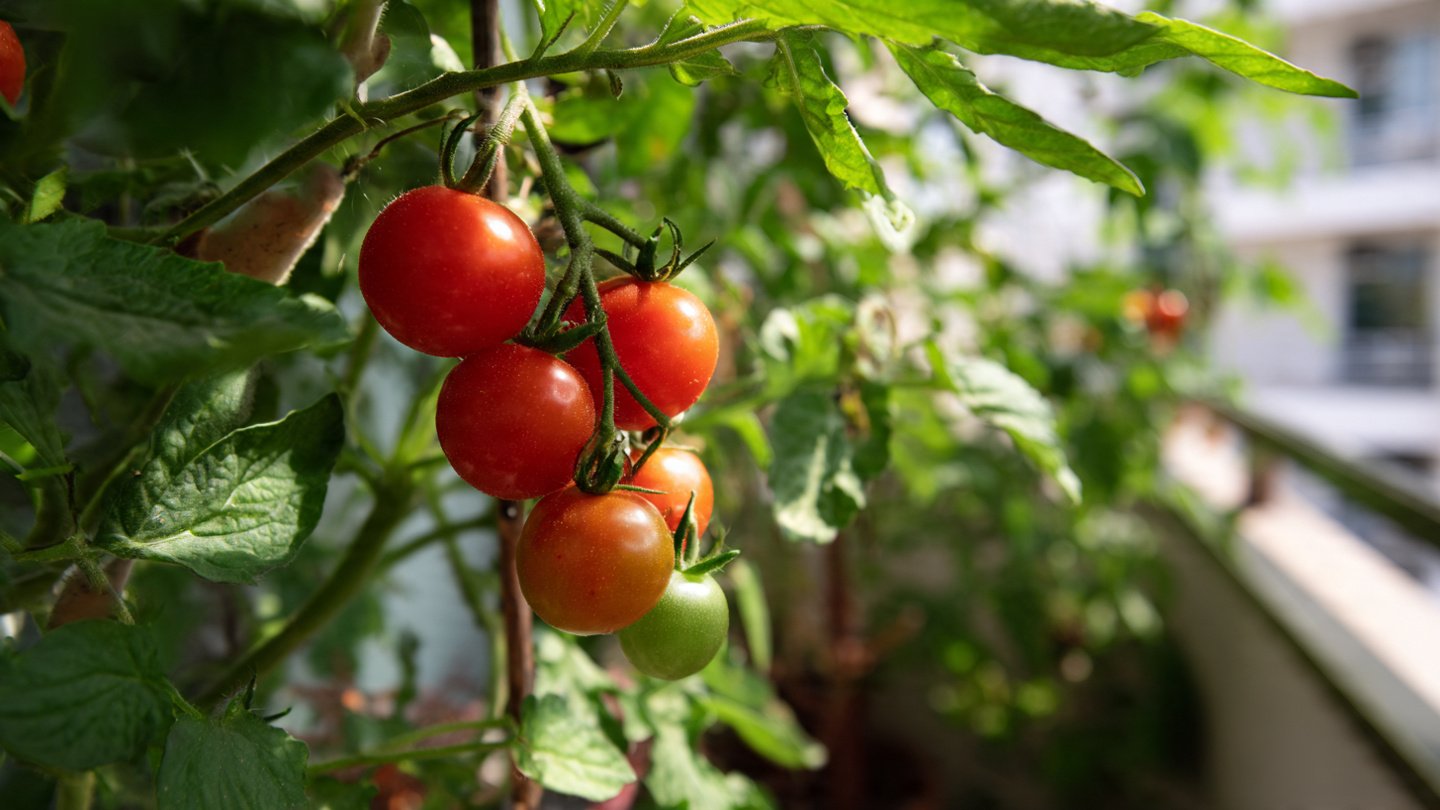
Growing your own tomatoes is a rewarding endeavor that not only provides you with fresh produce but also enhances your gardening skills. If you have a balcony, you can cultivate delicious tomatoes with ease. In this article, we’ll explore simple techniques to make this possible, focusing on everything from choosing the right variety to maintaining your plants. By the end, you’ll have the knowledge to turn your balcony into a mini tomato farm.
1. Choosing the Right Tomato Variety
The journey to growing tomatoes starts with selecting the right variety, especially when space is limited. Here are a few tomato types ideal for balcony gardening:
Determinate vs. Indeterminate
-
Determinate Tomatoes: These grow to a specific height and produce fruit all at once. Varieties like ‘Patio Princess’ and ‘Bush Champion’ are excellent choices.
-
Indeterminate Tomatoes: These continue to grow and produce fruit throughout the season. They require more vertical space, so varieties like ‘Sweet 100’ or ‘Cherry’ tomatoes can work well if you have enough sun.
Size Matters
Bush varieties are generally more suitable for container gardening. Narrow varieties grow well in pots, making them ideal for small balconies.
2. Preparing the Right Containers
The choice of container plays a vital role in your tomato plant’s success. Here’s what to consider:
Container Size
- Minimum Size: Start with at least a 5-gallon container for larger varieties, while smaller varieties can thrive in 3-gallon containers.
- Material: Terracotta or plastic pots work best. Terracotta allows for better aeration but dries out faster. Plastic retains moisture but can overheat in hot weather.

Drainage
Ensure your containers have adequate drainage holes to prevent root rot. Consider placing a mesh screen or some gravel at the bottom before adding soil.
3. Choosing the Right Soil and Fertilizer
Healthy tomatoes require nutrient-rich soil and regular fertilization.
Soil Composition
- Potting Mix: Use a high-quality organic potting mix that offers good drainage and moisture retention.
- Additives: Incorporate compost or well-rotted manure to enrich the soil.
Fertilization
- Organic Options: Use tomato-specific fertilizers that are high in phosphorus and potassium.
- Frequency: Fertilize every 4-6 weeks following the manufacturer’s recommendations. A slow-release fertilizer can also be beneficial.
4. Planting Your Tomatoes
Once you have your containers and soil, it’s time to plant.
Timing
Tomatoes love warmth. It’s best to plant them after the last frost. In many regions, this is typically in late spring.

Planting Steps
- Transplanting Seedlings: If starting from seedlings, bury them deep in the soil—up to the first set of true leaves. This promotes a strong root system.
- Spacing: For determinate varieties, plant 1-2 plants per container. For indeterminate varieties, the same guideline applies, but you may want to use a larger pot.
5. Light and Temperature Requirements
Tomatoes thrive in warm climates with plenty of sunlight.
Sunlight
- Ideal Exposure: Aim for 6-8 hours of direct sunlight daily.
- Positioning: Place your containers in the sunniest part of your balcony.
Temperature
- Daytime: Tomatoes prefer temperatures between 70-85°F (21-29°C).
- Nighttime: Ensure nighttime temperatures do not drop under 55°F (13°C).
6. Watering Techniques
Proper watering is critical for growing vegetables, especially tomatoes.
Watering Guidelines
- Consistency: Tomatoes prefer consistent moisture. Water deeply once or twice a week, allowing the top inch of the soil to dry out between waterings.
- Avoid Overwatering: Ensure the soil is moist but not soggy. Overwatering can lead to root rot.

Morning Watering
Watering in the morning helps reduce evaporation and allows plants to absorb moisture before the heat of the day.
7. Supporting Your Tomato Plants
As your tomato plants grow, they’ll need extra support.
Staking
- Types of Support: Use cages, stakes, or trellises to support indeterminate varieties.
- Installation: Install supports at the time of planting to avoid damaging roots later on.
Pruning
- Why Prune?: Pruning helps improve air circulation and redirects energy to healthier leaves and fruit.
- How to Prune: Remove suckers that grow in the joint between the stem and branches.
8. Pest Management
Common pests that can affect tomato plants include aphids, spider mites, and whiteflies.
Natural Remedies
- Neem Oil: A natural pesticide that deters pests without harming beneficial insects.
- Handpicking: Regularly inspect your plants for pests and remove them manually.

Prevention
- Companion Planting: Consider planting marigolds or basil alongside your tomatoes to deter pests.
9. Harvesting Your Tomatoes
Knowing when to harvest is crucial for flavor.
Signs of Ripeness
- Color: Most varieties will turn bright red when ripe. Early varieties may change to yellow or orange.
- Texture: Tomatoes should feel slightly soft to the touch.
Harvest Schedule
- Regular Checks: Check your plants every few days to catch ripening fruit.
10. Storing Your Tomatoes
Once harvested, storing your tomatoes properly helps maintain their flavor.
Storage Tips
- Room Temperature: Store tomatoes at room temperature away from direct sunlight.
- Refrigeration: Only refrigerate if they begin to over-ripen. This can alter their texture and flavor.

Conclusion
Growing delicious tomatoes on your balcony is entirely feasible, even for novice gardeners. By selecting the right variety, container, and care techniques, you can enjoy a bountiful harvest of juicy tomatoes. Put these simple techniques into practice, and you’ll be well on your way to elevating your culinary creations with homegrown produce.
FAQs
1. Do tomatoes need a lot of space to grow?
No, tomatoes can be grown in containers that are as small as 3 gallons. Choose compact varieties for small spaces.
2. How often should I water my tomato plants?
Water your tomato plants deeply once or twice a week, depending on weather conditions. Allow the top inch of soil to dry out between waterings.
3. How can I help my tomato plants thrive in a small balcony with limited sunlight?
Choose small, productive varieties and position your plants where they will receive the most light. Consider using reflective surfaces to maximize sunlight exposure if possible.
4. What should I do if my plants get pests?
Inspect your plants regularly and use natural remedies like neem oil. Handpicking pests is also effective for small infestations.
5. When should I pick my tomatoes?
Harvest tomatoes when they are fully colored and slightly soft to the touch. Regular checks will help ensure you catch them at the peak of ripeness.
With these straightforward guidelines, you’re well-equipped to begin your balcony tomato garden. Happy gardening!