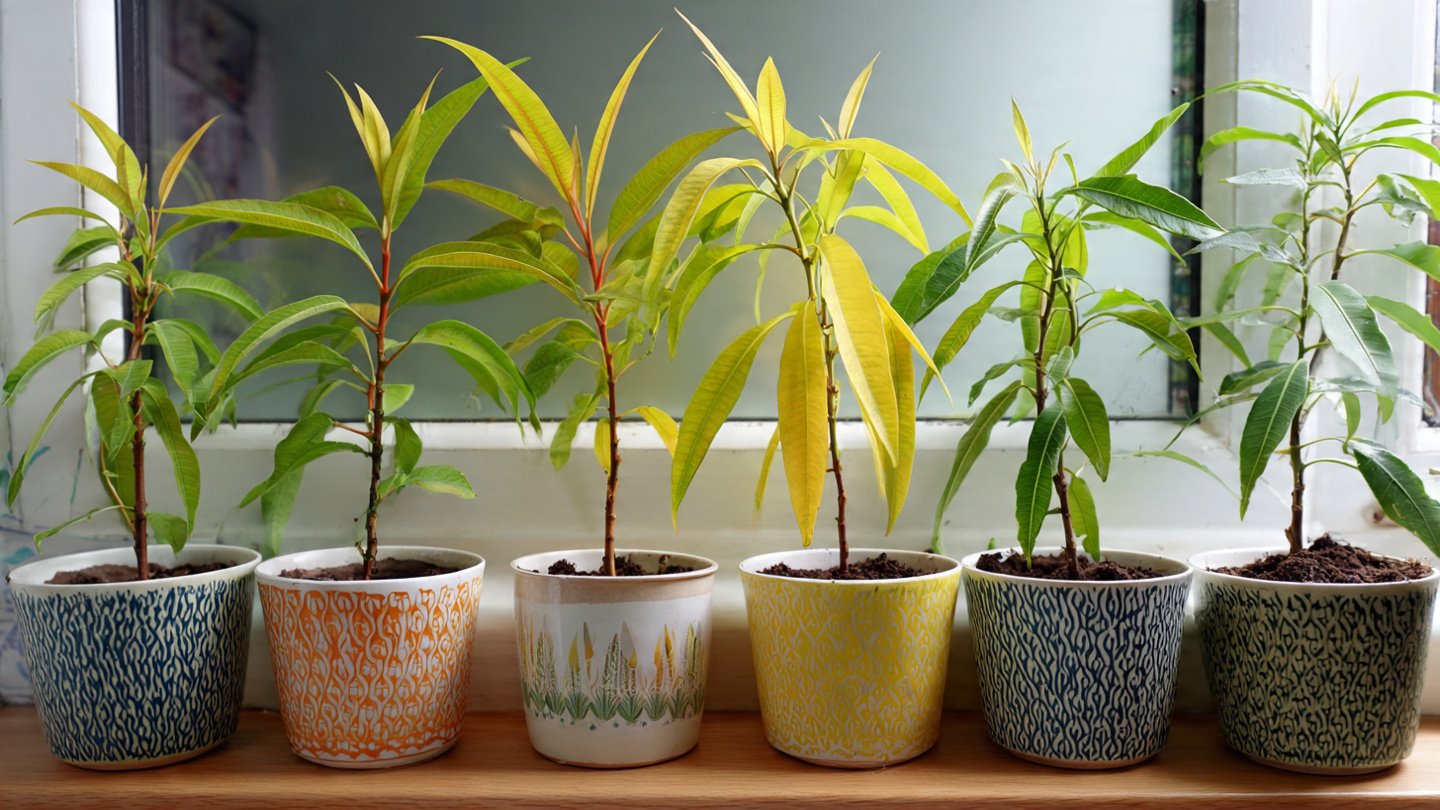
Mangoes are among the most beloved tropical fruits in the world, celebrated for their sweet, juicy flesh and vibrant flavor. Cultivating mango plants at home can be a rewarding endeavor for gardening enthusiasts and fruit lovers alike. While growing mangoes from seeds is common, propagating them from cuttings is another effective method that can yield quicker results. This article will guide you through the easy tricks to successfully grow mango plants from cuttings, along with tips and a FAQ section to help you troubleshoot common issues.
Understanding Mango Propagation
Mango trees (Mangifera indica) are primarily grown in tropical and subtropical climates. They can be propagated through various methods such as seeds, grafting, and cuttings. While seed propagation is a slower process that takes several years before yielding fruit, cuttings can produce a mature tree in much less time. This method ensures that the new plant has the same genetic characteristics as the parent tree, resulting in a consistent fruit quality.
Why Use Cuttings?
- Genetic Consistency: Cuttings retain the traits of the parent plant.
- Quick Establishment: Cuttings can develop roots faster than seed-grown plants.
- Efficient Use of Space: Rooting cuttings allows you to propagate multiple plants in a limited area.
Preparing for the Cuttings
-
Selecting the Right Time: The best time to take mango cuttings is during the warm months when the plant is actively growing. Early summer to early fall is ideal for tropical environments.
-
Choosing Healthy Parent Plants: Select a mature, healthy mango tree to take your cuttings. The parent tree should be disease-free, well-watered, and thriving.
-
Selecting the Right Cuttings: Take semi-hardwood cuttings that are about 6-12 inches long. Look for stems that have matured but are not too woody. Ideally, your cutting will have a few leaves attached.

Tools and Materials Needed
- Sharp, clean pruning shears
- Rooting hormone (optional, but highly recommended)
- Potting mix (well-draining)
- Small pots or containers
- Plastic bags or a humidity dome (to maintain moisture)
- Watering can or spray bottle
Step-by-Step Guide to Growing Mango Plants from Cuttings
Step 1: Preparing the Cuttings
-
Take the Cuttings: Using sharp, clean pruning shears, make a clean cut at a 45-degree angle, just below a node (the bump on the stem where leaves attach).
-
Remove Lower Leaves: Trim off the leaves on the bottom third of your cutting to encourage root development and reduce moisture loss.
-
Apply Rooting Hormone (optional): Dip the cut end of the cutting into rooting hormone, which can enhance root growth. Tap off any excess powder.

Step 2: Planting the Cuttings
-
Fill Pots with Potting Mix: Fill your small pots with a high-quality, well-draining potting mix. A mix of potting soil, peat moss, and perlite is ideal.
-
Make Holes for the Cuttings: Use a pencil or your finger to make a hole in the soil for each cutting. This helps prevent the rooting hormone from being rubbed off.
-
Insert the Cuttings: Place the cuttings in the holes, ensuring that at least one node is buried in the soil. Firm the soil around the base to support the plant.
Step 3: Watering and Humidity Control
-
Water the Cuttings: Gently water the cuttings until the soil is moist but not soggy. Overwatering can lead to rot.
-
Create a Humid Environment: Cover the pots with plastic bags or place them under a humidity dome to maintain moisture. Ensure the bags do not touch the leaves, which may cause rot.
Step 4: Caring for the Cuttings

-
Place in a Warm, Bright Location: Position the cuttings in a spot that receives filtered sunlight but is not exposed to harsh, direct light.
-
Maintain Moisture Levels: Check the soil every few days. It should remain consistently moist but not waterlogged. Remove the plastic bags for a few hours each day to allow airflow.
Step 5: Monitoring Growth
-
Root Development: After 4-6 weeks, gently tug on the cuttings; if you feel resistance, roots are likely developing.
-
Transplanting: Once the root system is well-established (usually a few months), transplant your new mango plant into a larger pot or directly into the ground if conditions are suitable.
Additional Tips for Successful Mango Plant Growth
- Fertilization: Once your plant shows signs of growth, use a balanced fertilizer every 4-6 weeks to promote healthy growth.
- Sunlight: Mango trees require full sun for optimal growth. Ensure they get at least 6-8 hours of sunlight daily.
- Pruning: As your mango tree grows, consider pruning it to encourage bushier growth and reduce the risk of diseases.
- Pest Management: Keep an eye out for common pests like aphids or mealybugs. Use insecticidal soap or neem oil as needed.

Troubleshooting Common Issues
-
Cuttings Not Rooting: Ensure the cuttings were taken at the right time and that they are adequately watered without being overwatered.
-
Leaves Yellowing: This can be a sign of overwatering or insufficient light. Adjust watering habits and ensure they’re getting enough light.
-
Mold Formation: If you see mold on the soil surface, it may be too humid. Remove covers for a short time to increase airflow.
FAQs
Q1: Can I grow mango plants from supermarket mango seeds?
Yes, you can grow mangoes from seeds, but they may not produce fruit that is true to the parent plant. Cuttings are more reliable for producing a consistent variety.
Q2: How long will it take for my cutting to produce fruit?
A mango tree grown from cuttings may take about 3-5 years to bear fruit, depending on growing conditions and care.
Q3: Can I propagate mango cuttings in water?
While mango cuttings can root in water, it is generally more effective to root them directly in potting mix for stronger root systems.

Q4: What is the ideal temperature for growing mango cuttings?
Mango plants thrive in warm temperatures, ideally between 70°F and 85°F (21°C – 29°C).
Q5: Should I use organic potting mix or standard potting soil?
Using a high-quality organic potting mix is beneficial as it often contains nutrients and beneficial microbes that promote healthy growth.
Q6: Do mango plants require regular watering?
Yes, while mango plants prefer slightly dry conditions, they should be watered regularly during their growing season to ensure healthy development.
Conclusion
Growing mango plants from cuttings is an enjoyable and productive way to increase your garden’s diversity while enjoying the delicious fruits they yield. With the right techniques, tools, and care, you can successfully bring a piece of tropical paradise to your home. Just remember to be patient, as nature takes its time, but with dedication, your mango plants will flourish and reward you with their sweet, succulent fruits for years to come.