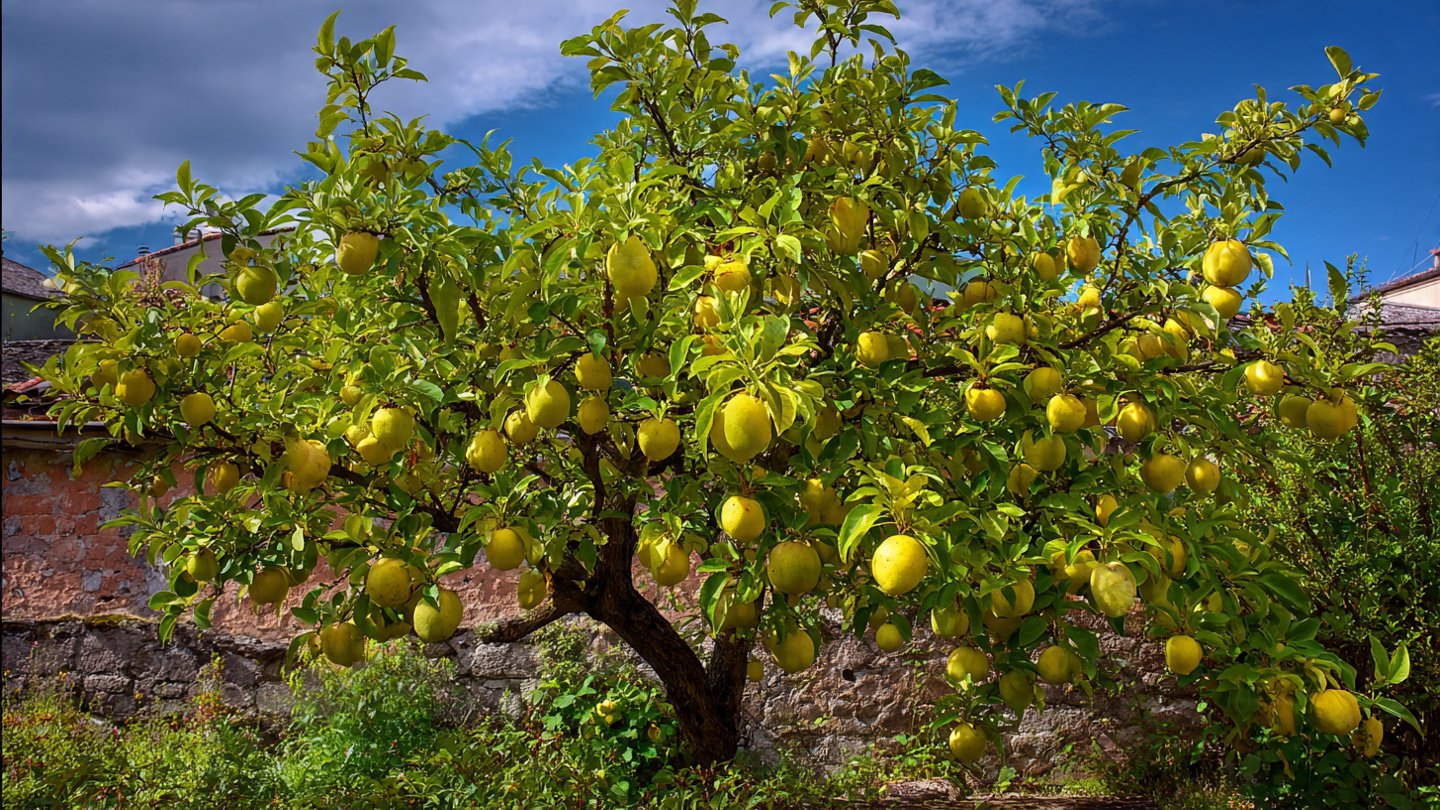
Growing quince in your backyard can be an incredibly rewarding endeavor. Not only does this ancient fruit tree produce fragrant, beautiful flowers in spring, but it also yields delicious, distinctive fruits in the fall. With a little patience and the right approach, you can cultivate a healthy quince tree without resorting to complicated agricultural techniques. This article will walk you through the easy steps to successfully grow quince, from choosing the right variety to harvest time.
1. Understanding Quince
Quince (Cydonia oblonga) is a deciduous fruit tree indigenous to the Middle East and Mediterranean regions. The fruit resembles a pear or apple and is generally too tart to eat raw; however, it shines in jams, jellies, and cooked dishes. Quince trees can grow to heights of 10-15 feet and flourish in well-draining soil.
2. Choosing the Right Variety
Popular Varieties
- Pineapple Quince: Known for its sweet flavor and excellent aroma, this variety is perfect for cooking and making preserves.
- Smyrna Quince: This variety is large, yellow-skinned, and has a sweet, aromatic flavor, making it ideal for culinary uses.
- Champion Quince: Smaller but very flavorful, this quince variety is great for jams and sometimes eaten raw after cooking.
When selecting a variety, consider your climate and intended use. Some varieties are better for fresher consumption, while others excel in preserves.
3. Selecting the Right Site

Sunlight
Quince trees require full sunlight for optimal growth. Choose a location that receives at least six hours of sunlight daily. Morning sun is particularly beneficial, as it helps dry off dew and reduces the risk of fungal diseases.
Soil
Quince prefers well-draining soil rich in organic matter. Sandy loam or clay loam soils are ideal. If you’re unsure about your soil type, consider getting it tested for pH and nutrients. Ideally, soil pH should be between 6.0 and 7.0.
Space
Ensure that the chosen area has enough room for the quince tree to grow. The mature tree will require approximately 20 feet of space in every direction.
4. Planting Your Quince Tree
When to Plant
The best time to plant your quince tree is in the early spring or fall when temperatures are milder. This gives the tree time to establish roots before the summer heat or winter cold sets in.
How to Plant
-
Prepare the Soil: Before planting, amend your soil with compost or well-rotted manure to enhance fertility. Incorporate the material into the top 12 inches.
-
Dig a Hole: The hole should be about twice as wide and as deep as the root ball of the tree. Loosen the soil at the bottom.
-
Plant the Tree: Carefully remove the quince tree from its container. Place it in the center of the hole, ensuring that the root crown is level with the soil surface. Fill in the hole with soil and provide gentle tamping to eliminate air pockets.
-
Watering: Water the tree thoroughly after planting to settle the soil and help establish roots.

5. Caring for Your Quince Tree
Watering
Quince trees thrive in well-drained soil but require regular watering, especially during dry spells. Water deeply but infrequently, about once a week, adjusting depending on rainfall. Young trees may require more attention to keep the soil consistently moist.
Fertilization
Feed your quince tree with a balanced, slow-release fertilizer in early spring. Follow package instructions regarding quantity, as over-fertilization can harm the tree.

Pruning
Pruning is essential for maintaining the health and shape of your quince tree. Aim to prune during winter to encourage new growth in spring. Remove any dead, damaged, or crossing branches, and thin the canopy to allow sunlight to reach the inner branches.
Pest and Disease Control
Quince trees are relatively pest-resistant, but you should remain vigilant. Common pests include aphids and fruit flies. Use organic insecticidal soap to treat infestations. Additionally, keep an eye out for fungal diseases, which can be minimized by ensuring good air circulation and avoiding overhead watering.
6. Pollination and Fruit Set
Quince trees are generally self-pollinating, but having multiple trees will yield a better fruit set and size. If you’re planting more than one tree, ensure they’re spaced adequately for cross-pollination.
Encouraging Pollinators
To attract bees and other pollinators, plant flowering plants nearby. Lavender, daisies, and marigolds can provide an excellent habitat for these beneficial insects.
7. Harvesting Quince
When to Harvest
Quinces are typically ripe from late fall to early winter, depending on the variety. They should be harvested when they are golden yellow and slightly soft to the touch.

How to Harvest
To harvest, wear gloves, and twist or cut the fruit gently off the branches. Be careful not to bruise the fruits, as they are delicate once picked. Quinces bruise easily, so handle them with care.
8. Post-Harvest Care
Store quinces in a cool, dark place. They can remain fresh for several weeks, but best results are often obtained by using them quickly for jams, chutneys, or desserts. Quinces can also be preserved by canning or freezing after cooking.
FAQs
1. How much space do I need for a quince tree?
A quince tree needs about 20 feet of space in every direction to ensure healthy growth.
2. Can I grow quince in a container?
Yes, quince trees can be grown in large containers if space is limited. Ensure the container has excellent drainage.
3. How often should I water my quince tree?

Water deeply about once a week, or more often during dry spells, especially for young trees.
4. Do I need more than one quince tree for pollination?
No, quince trees can self-pollinate. However, planting more than one can improve fruit yield and size.
5. What pests should I watch out for?
Watch for aphids, fruit flies, and common fungal diseases. Regular inspections and organic treatments can help manage these issues.
6. What is the best way to prepare quince for cooking?
Quinces are usually peeled, cored, and cooked before eating, as they are too hard and tart to be eaten raw. They are excellent in jams and jellies.
Conclusion
Growing quince in your backyard can be a simple, enjoyable experience with the right approach. By following these easy steps—from proper site selection to caring for your tree—you can enjoy a bountiful harvest of this unique and aromatic fruit. With a little love and care, your quince tree will thrive for years and provide delicious culinary treats for your family and friends. Start your quince-growing journey today and relish in the rewards it brings!