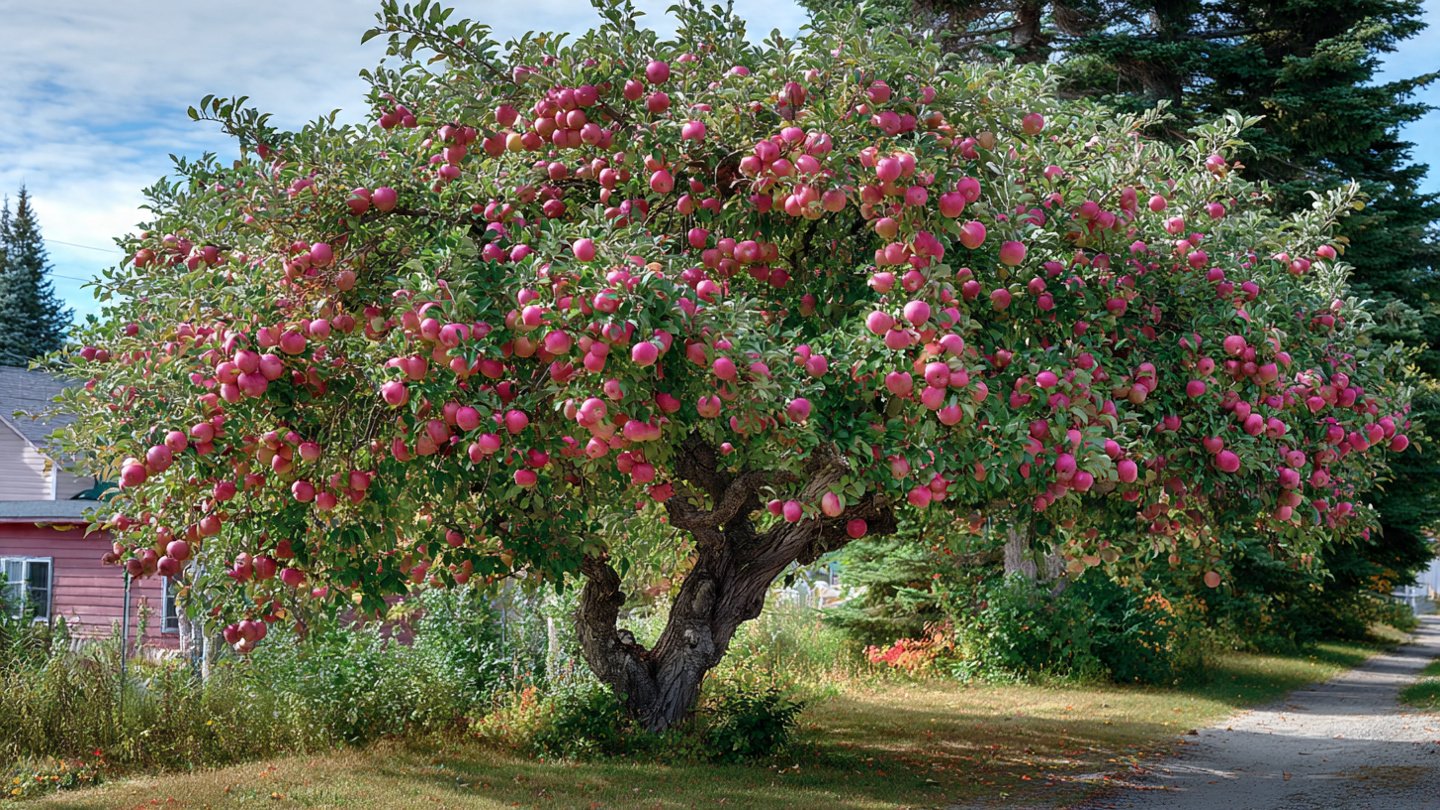
Fuji apples, renowned for their crisp texture and sweet flavor, are a favorite among apple enthusiasts. If you’re in Canada and looking to grow your own Fuji apples, it can be a rewarding endeavor. This guide will walk you through the essential steps to successfully grow Fuji apples, providing you with the knowledge you need as a beginner.
1. Understanding Fuji Apples
Origin and Characteristics
Fuji apples are a cross between the Red Delicious and Ralls Janet apples, developed in Fujisaki, Japan, in the late 1930s. They are known for their large size, firm texture, and a sweetness that makes them great for snacking, cooking, and baking. The skin is typically red and green, and they are characterized by their juicy flesh.
Climate and Region
Fuji apples thrive in climates with cold winters and warm summers, making them well-suited to various regions in Canada, especially the southern areas of British Columbia, Ontario, and Quebec. They require a certain number of chilling hours (at least 500) to break dormancy and produce quality fruit.
2. Selecting the Right Location
Soil Requirements
Fuji apples prefer well-draining soil rich in organic matter. Sandy loam is ideal, as it retains moisture without becoming waterlogged. Conduct a soil test to determine pH and nutrient levels; ideally, your soil should have a pH between 6.0 and 7.0.
Sunlight
Choose a sunny location that receives at least 6 to 8 hours of direct sunlight each day. Adequate sunlight promotes healthy growth and enhances fruit flavor.
Wind Protection

Consider planting your apple trees in a sheltered area to protect them from harsh winds, which can damage blooms and young fruit.
3. Choosing the Right Variety
While Fuji apples are a great choice, consider selecting the right rootstock as it affects the tree’s size and vigor. Common rootstocks for Fuji include:
- M.9: A dwarfing rootstock that produces a smaller tree, ideal for home gardens.
- M.26: A semi-dwarfing stock that offers good yield and hardiness.
4. Planting Fuji Apple Trees
When to Plant
The best time to plant apple trees in Canada is in the spring, after the last frost date. This gives the tree ample time to establish itself before winter.
Planting Steps
-
Prepare the Site: Clear the area of weeds and debris. Dig a hole that is twice as wide and just as deep as the root ball of your apple tree.
-
Soil Amendment: Incorporate organic compost into the backfill soil to enrich it.
-
Positioning the Tree: Place the tree in the hole, ensuring that the graft union (swelling on the trunk where the tree was grafted onto the rootstock) is above ground level.
-
Backfill and Water: Fill the hole with the amended soil, pressing down gently to remove air pockets. Water thoroughly after planting.

Spacing
If planting multiple trees, ensure they are spaced at least 12 to 15 feet apart to allow for adequate airflow and sunlight penetration.
5. Watering and Fertilization
Watering Needs
Newly planted Fuji apple trees require regular watering, particularly during their first few seasons. Aim for about 1 to 1.5 inches of water per week, depending on rainfall. Once established, they are relatively drought-tolerant.
Fertilizing
Begin fertilizing in early spring with a balanced fertilizer (such as 10-10-10). Follow the recommendations on the package for application rates. Avoid over-fertilizing, as this can lead to excessive leaf growth at the expense of fruit production.
6. Pruning
When to Prune
Pruning should be done in late winter or early spring while the tree is still dormant. This encourages healthy growth and shapes the tree.
How to Prune
- Remove Dead or Diseased Branches: Cut away any dead, damaged, or diseased branches to promote health.
- Thin the Interior: To allow sunlight into the center of the tree, remove crossing branches and any weak growth.
- Shape the Tree: Aim to maintain an open center for good airflow. A vase shape is often ideal.

7. Pest and Disease Management
Common Pests
- Apple Maggot: Small flies that lay eggs in the fruit.
- Codling Moth: These caterpillars burrow into apples, causing damage.
- Aphids: Small sap-sucking insects that can weaken trees.
Prevention and Treatment
- Regular Monitoring: Inspect your trees regularly for signs of pests.
- Organic Controls: Use neem oil, insecticidal soap, or other organic treatments as needed.
- Beneficial Insects: Encourage helpful insects like ladybugs to naturally control pest populations.
Diseases
- Powdery Mildew: A fungal disease that appears as a white powder on leaves.
- Apple Scab: A fungal issue causing dark spots on leaves and fruit.
Management Practices
- Pruning for Airflow: Maintain good airflow and sunlight penetration to reduce humidity, which can lead to fungal diseases.
- Avoid Overhead Watering: Water at the base of the tree to keep leaves dry.

8. Harvesting
When to Harvest
Fuji apples are typically ready for harvest in late September to early October, depending on the climate. Look for the following signs:
- A sweet aroma.
- Firmness to the touch.
- Deep color.
How to Harvest
Gently twist the apple to detach it from the branch, or use pruning shears to cut it, leaving a bit of stem to prevent bruising.
9. Storing Fuji Apples
Proper storage can extend the freshness of your apples:
- Cool and Dark Environment: Store apples in a cool, dark place (ideally around 30-35°F or -1 to 2°C).
- Humidity Control: Keep humidity high to prevent shriveling, ideally around 90%.
- Regular Checks: Inspect stored apples for signs of spoilage and remove any affected fruit.
FAQs
1. How long does it take for Fuji apple trees to bear fruit?

Fuji apple trees typically begin to bear fruit between 3 to 5 years after planting, depending on growing conditions and care.
2. Can Fuji apples grow in containers?
Yes, dwarf varieties of Fuji apples can grow successfully in containers. Ensure your container has good drainage and is at least 18 to 24 inches in diameter.
3. What is the best fertilizer for Fuji apple trees?
A balanced fertilizer (10-10-10 or similar) is ideal for Fuji apple trees. Look for a slow-release formulation and follow package instructions.
4. Do Fuji apple trees require cross-pollination?
While Fuji apples can self-pollinate, cross-pollination with another apple variety can increase fruit yield and quality. Consider planting another apple variety nearby for best results.
5. How do I prevent apple scab and powdery mildew?
Maintaining proper air circulation through pruning, avoiding overhead watering, and applying fungicides when necessary can help manage these diseases.
Conclusion
Growing Fuji apples in Canada may seem daunting at first, especially for beginners, but with attention to detail and proper care, you can enjoy a bountiful harvest. By selecting the right location, understanding your trees’ needs, and managing pests and diseases, you will have the tools necessary for success. Whether you’re doing it for the love of gardening, fresh produce, or both, cultivating Fuji apples can be a fulfilling experience that yields delicious rewards. Happy planting!