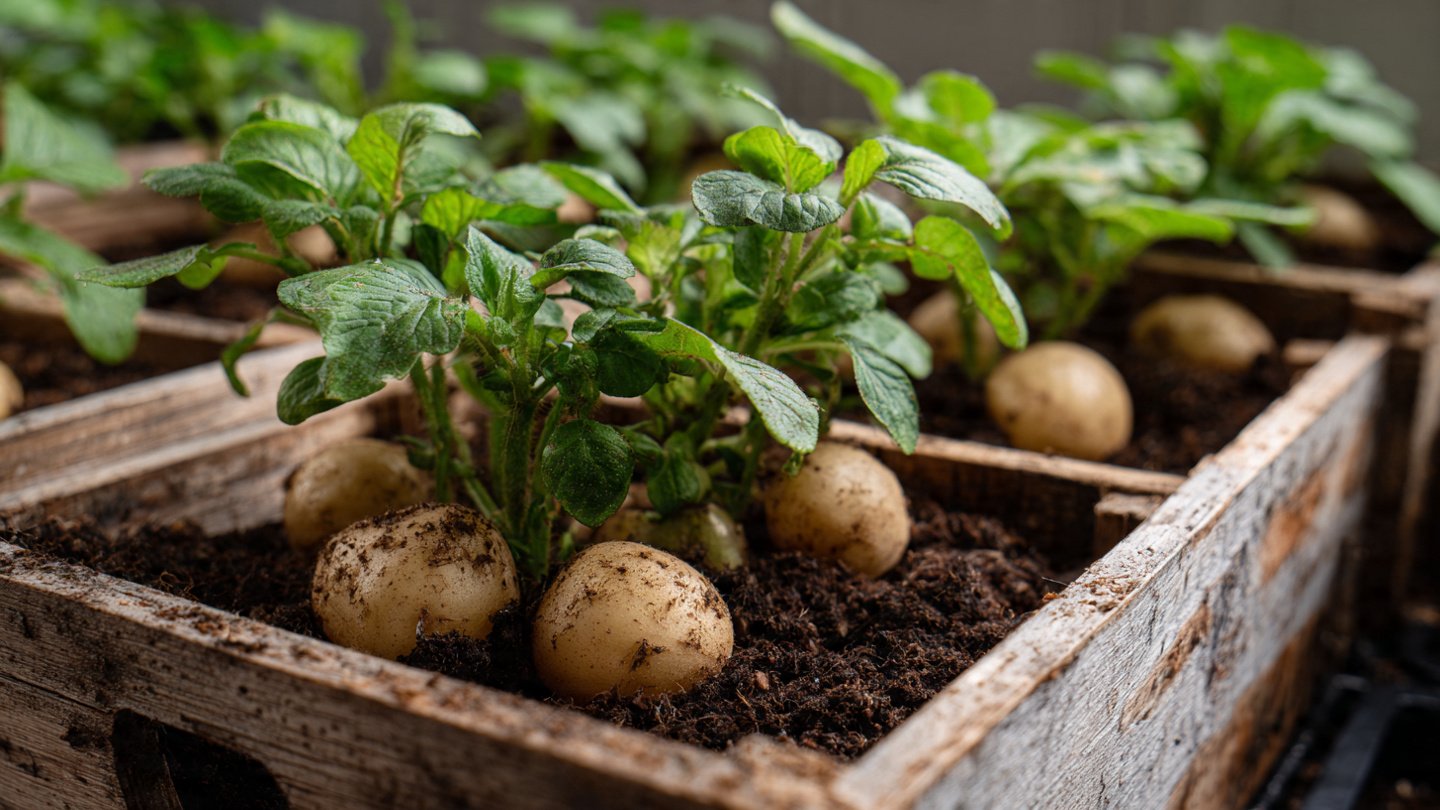
Growing potatoes at home is a rewarding experience, especially for those with limited space. With the right techniques, you can successfully cultivate these versatile vegetables in containers. This guide will walk you through everything you need to know about growing potatoes in containers with minimal effort.
Introduction to Container Gardening
Container gardening is an increasingly popular method for growing plants in small spaces. Whether you have a balcony, a small patio, or even just a sunny windowsill, you can enjoy the satisfaction of growing your own food. Potatoes, in particular, are an excellent choice for container gardening because they don’t require extensive root space compared to other crops.
Why Grow Potatoes in Containers?
- Limited Space: Container gardening is perfect for urban dwellers or those with small yards.
- Control: You can control the soil quality and the growing conditions more easily.
- Less Pests: Growing in containers can help reduce pest problems since you can move containers around.
- Easy Harvesting: Harvesting is simpler, and you won’t have to dig in the ground.
- Flexibility: Containers can be moved to capture the best sunlight or protect plants from frost.
Choosing the Right Container
When it comes to growing potatoes, the type of container you choose can make all the difference. Here are some considerations:
- Size: Choose a container that is at least 12-18 inches deep and wide. This allows room for the potato tubers to grow. You can use standard pots, old buckets, or even specialized potato bags.
- Material: Containers can be made from plastic, fabric, or wood. Ensure they have good drainage.
- Drainage Holes: Make sure your container has sufficient drainage holes to prevent waterlogging.

Selecting the Right Seed Potatoes
Choosing the right seed potatoes is crucial for a successful crop. Here’s what to look for:
- Certified Seed Potatoes: Always buy certified seed potatoes to avoid diseases.
- Variety: Select a variety suited for your climate. Common types include Yukon Gold, Red Pontiac, and Fingerling potatoes.
- Size: Choose seed potatoes that are about the size of a golf ball. You can also cut larger tubers, but make sure each piece has at least one “eye,” where sprouts will emerge.
Preparing the Soil
Potatoes thrive in loose, well-draining soil. Here’s how to prepare the soil for your container:
- Mix: Combine equal parts of potting soil, compost, and perlite or vermiculite. This mix provides the nutrients necessary for healthy growth while ensuring proper drainage.
- pH Level: Aim for a pH level of 5.8 to 6.5. You can test your soil with a pH tester and amend it as needed.
- Add Fertilizer: Incorporate a balanced fertilizer high in potassium, which is essential for tuber development. Follow the instructions on the fertilizer package for application rates.
Planting Potatoes in Containers
Now that you have the right container, seed potatoes, and soil mix, it’s planting time! Follow these simple steps:
- Fill the Container: Fill the container with 4-6 inches of soil mix.
- Space the Potatoes: Place your seed potatoes on top of the soil, spacing them about 4-6 inches apart.
- Cover with Soil: Add another 4-6 inches of soil over the potatoes. The potatoes need to be covered to stimulate growth.
- Watering: Water thoroughly, ensuring the soil stays moist but not soggy. Good drainage is crucial to prevent rot.

Caring for Your Potato Plants
Once planted, your potato plants will require regular care to thrive. Here are some essential tips:
Watering
- Consistency: Keep the soil consistently moist. Water less frequently but thoroughly, aiming for about 1-2 inches of water per week.
- Signs of Overwatering: Yellowing leaves can indicate overwatering, while drooping leaves might signify underwatering.
Fertilizing
- Mid-Season Feeding: About a month after planting, add more fertilizer. Use a high-potassium fertilizer to promote healthy tuber development.
- Frequency: You can fertilize every 4-6 weeks, following the package recommendations.
Hilling
Hilling, or adding more soil to the base of the plants, is a vital step in growing potatoes. It encourages the development of more tubers and protects them from sunlight, which can turn them green and toxic.
- Timing: Begin hilling when your plants reach about 6-8 inches in height.
- How to Hill: Gently pile soil around the base of the plants, leaving the top few inches exposed. Repeat every few weeks as the plants grow.

Pest and Disease Management
Though container gardening can reduce pest problems, you still need to stay vigilant. Common issues include:
Pests
- Aphids: Small, sap-sucking bugs that can be treated with insecticidal soap.
- Colorado Potato Beetle: Hand pick these pests and remove them from your plants.
- Fungal Diseases: Ensure good airflow around plants and avoid overwatering to prevent issues like blight.
Preventative Measures
- Rotation: If you’re gardening in more than one container, practice crop rotation each year.
- Companion Planting: Consider planting marigolds nearby to deter pests.
Harvesting Potatoes
After about 10-12 weeks, your potato plants will start flowering. This is a good sign that tubers are developing. You can begin to harvest new potatoes when the plants are still flowering, or wait until the foliage dies back for mature potatoes.
How to Harvest
- Check Soil Moisture: It’s best to harvest when the soil is slightly dry to avoid breaking tubers.
- Dig Carefully: Use your hands to gently dig around the base of the plants, carefully lifting the tubers without damaging them.
- Clean and Store: Brush off the soil and store potatoes in a cool, dark place. Avoid washing them until you’re ready to use them.

Quick Tips for Success
- Sunlight: Potatoes need full sun (at least 6-8 hours) for optimal growth.
- Mulch: Apply a layer of organic mulch to retain moisture and suppress weeds.
- Rotate Crops: Avoid planting potatoes in the same container year after year to reduce disease risk.
FAQs
1. Can I grow potatoes in a small container?
Yes! As long as your container is at least 12-18 inches deep and wide, you can successfully grow potatoes.
2. How many potatoes can I grow in one container?
You can typically grow 2-4 seed potatoes in a single container, depending on its size.
3. Do potatoes need a lot of sunlight?
Yes, potatoes thrive in full sun, so choose a sunny location for your containers.
4. What is the best time to plant potatoes?

The best time to plant potatoes is in early spring, after the last frost date.
5. How do I know when to water my potato plants?
Keep an eye on the soil moisture; it should be kept consistently moist but not soggy. Check regularly, especially during hot weather.
6. Can I grow potatoes from store-bought potatoes?
You can grow potatoes from store-bought ones, but it’s recommended to use certified seed potatoes to reduce the risk of diseases.
7. What pests should I be concerned about when growing potatoes?
Common pests include aphids and Colorado potato beetles. Regularly check your plants and use organic pest control methods if necessary.
8. When is the best time to harvest my potatoes?
You can start harvesting new potatoes when the plants flower, or wait a bit longer for mature potatoes after the foliage has died back.
Conclusion
Growing potatoes in containers is not only easy but also incredibly rewarding. With minimal space and effort, you can enjoy a bountiful harvest of homegrown potatoes. By following this guide, you can ensure healthy plants and delicious tubers that you can be proud of! Happy gardening!