Growing a filbert tree (Corylus avellana) in your garden can be a delightful endeavor that combines aesthetics, functionality, and sustainability. These trees not only add beauty to your landscape but also produce delicious hazelnuts that can be enjoyed fresh or used in a variety of culinary applications. This article will explore effective strategies to grow filbert trees with minimal effort while maximizing your results. By the end, you’ll be equipped with the knowledge needed to nurture a thriving filbert tree in your yard.
Understanding Filbert Trees
Overview of Filbert Trees
Filbert trees are a type of hazelnut, native to Europe and Western Asia. Known for their dense foliage and attractive catkins, these trees can reach heights of 15 to 20 feet, making them an ideal choice for medium-sized gardens. The nuts produced by filbert trees are not only nutritious but also rich in flavor, making them a valuable addition to your diet.
Benefits of Growing Filbert Trees
- Nut Production: Filbert trees produce a bountiful harvest of nuts, which can be consumed raw, roasted, or used in baking.
- Aesthetic Appeal: The tree’s dense foliage and attractive flowers enhance the visual appeal of your garden.
- Wildlife Habitat: Filbert trees attract birds and beneficial insects, promoting biodiversity in your garden.
- Low Maintenance: Once established, these trees require minimal care.
Steps to Grow Filbert Trees with Minimal Effort
1. Choosing the Right Location
Selecting the right location is crucial for the successful growth of filbert trees.
- Sunlight: Filbert trees thrive in well-drained soils with full sun exposure. Aim for a location that receives at least six hours of direct sunlight daily.
- Space: Filbert trees need room to grow. Ensure you have adequate space between your filbert tree and other plants or structures. Ideally, space them 15 to 20 feet apart from each other and any neighboring greenery.

2. Selecting the Right Variety
There are various filbert tree varieties available, each with unique characteristics.
- European Hazelnut (Corylus avellana): This is the most commonly grown type and produces a sweet, flavorful nut. It’s suitable for most home gardens.
- American Hazelnut (Corylus americana): This variety is more tolerant of cold and is recommended for northern climates.
3. Soil Preparation
Healthy soil is the foundation for thriving filbert trees.
- pH Level: Aim for a slightly acidic to neutral pH level (around 6.0 to 7.0). You can test your soil using a pH meter or kits from garden centers.
- Nutrient-Rich Soil: Incorporate organic matter such as compost or well-rotted manure to enrich the soil. This not only enhances the soil structure but also provides essential nutrients for the tree.
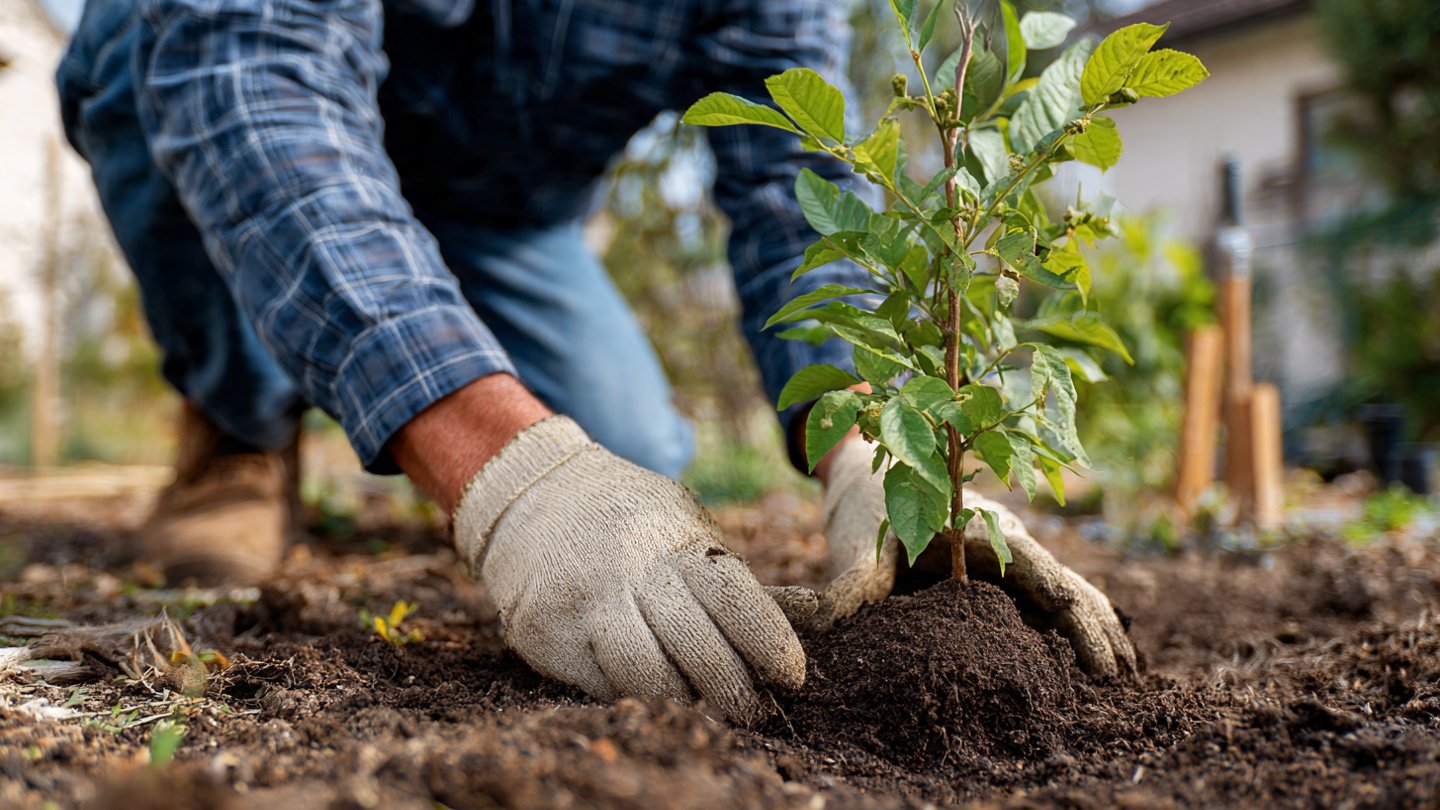
4. Planting the Filbert Tree
Planting is a simple yet critical step. Follow these guidelines for optimal results:
- Timing: The best time to plant filbert trees is in the fall or early spring, when the tree is dormant.
- Depth: Dig a hole that’s approximately twice the width and as deep as the root ball of the tree. Ensure the top of the root ball is level with the soil surface.
- Watering: After planting, water the tree thoroughly to eliminate air pockets and provide moisture to the roots.

5. Watering and Fertilizing
Maintaining proper moisture levels and nutrient supply is essential for the health of your filbert tree.
- Watering: During the first few years, water your filbert tree regularly to establish deep roots. Once established, the tree is quite drought-resistant. Water deeply but infrequently, allowing the soil to dry out between watering sessions.
- Fertilization: Fertilize your tree in early spring with a balanced, slow-release fertilizer to promote growth. Avoid over-fertilizing, as this can lead to excessive foliage at the expense of nut production.
6. Pruning for Structure and Yield
Pruning is a simple way to improve the growth and yield of your filbert tree.
- Timing: The best time to prune is in late winter or early spring before new growth begins.
- Techniques: Remove dead or damaged branches and thin out crowded areas to improve air circulation. This helps prevent diseases and encourages better nut production.
7. Pest and Disease Management
While filbert trees are generally hardy, they can be susceptible to pests and diseases.

- Monitoring: Regularly inspect your trees for signs of pests like aphids or caterpillars, as well as diseases such as Eastern Filbert Blight.
- Natural Remedies: Use organic pest control methods, such as insecticidal soap or neem oil, to manage any infestations without harming beneficial insects.
8. Harvesting
Once your filbert tree matures, you’ll want to maximize your nut yield.
- Timing: Filbert nuts typically mature in late summer to early autumn, usually in September or October, depending on the variety and climate.
- Method: Harvest nuts as they fall to the ground or pick them directly from the tree when the husks turn brown but before they begin to drop.
Maximizing Results with Minimal Effort
-
Companion Planting: Consider planting flower beds or plants that attract pollinators nearby. This will increase the yield of your filbert tree by encouraging better pollination.
-
Mulching: Apply organic mulch around the base of the tree to conserve moisture, suppress weeds, and regulate soil temperature.
-
Irrigation Solutions: Implementing a drip irrigation system can reduce the labor involved in watering your trees, ensuring they receive consistent moisture without the need for manual effort.
-
Timing Planting: If you’re in an area with extreme winters or heat, timing your planting can make your efforts more successful. Opt for spring planting in northern areas or fall in more temperate regions.

A Sample Timeline for Growing Your Filbert Tree
- Year 1: Focus on establishing the tree. Ensure proper planting and care, with regular watering and monitoring for pests.
- Year 2: Begin light pruning and prepare for your first harvest; you might get some nuts, but a full harvest will still be a few years away.
- Year 3: Continue monitoring and maintaining soil health; expect a more consistent yield if you’ve followed the care routine.
- Year 4: Prune to enhance yield and harvest an abundance of nuts for the first time.
FAQs
1. How long does it take for a filbert tree to bear nuts?
Filbert trees typically begin to produce nuts within 3 to 5 years after planting.
2. Are filbert trees self-pollinating?
Filbert trees are not fully self-pollinating; it’s best to plant at least two varieties to ensure good pollination and nut production.
3. What is the ideal soil condition for filbert trees?
They prefer well-drained, loamy soil with a pH level between 6.0 and 7.0.
4. Can filbert trees grow in pots?

While it’s possible to grow young filbert trees in pots, they are better suited for garden planting in a suitable location due to their size and root structure.
5. How do I know when to harvest the nuts?
Harvest the nuts when the husks turn brown and begin to fall to the ground, indicating they are mature.
6. What are common pests for filbert trees?
Common pests include aphids, caterpillars, and filbert weevils. Regular inspection for signs of these pests is crucial.
7. Do filbert trees require a lot of water?
Young filbert trees need regular watering to establish roots, but once established, they are relatively drought-tolerant.
8. Are there any diseases that affect filbert trees?
Eastern Filbert Blight is a notable disease that can affect filbert trees, primarily in the eastern U.S. Regular monitoring and pruning can help mitigate risks.
By following the simple yet effective strategies laid out in this article, you will be well on your way to growing vibrant filbert trees in your garden. With a little effort and patience, you can enjoy the beauty and bounty these trees offer, making them a wonderful addition to your gardening endeavors. Enjoy your journey into the world of filbert cultivation!