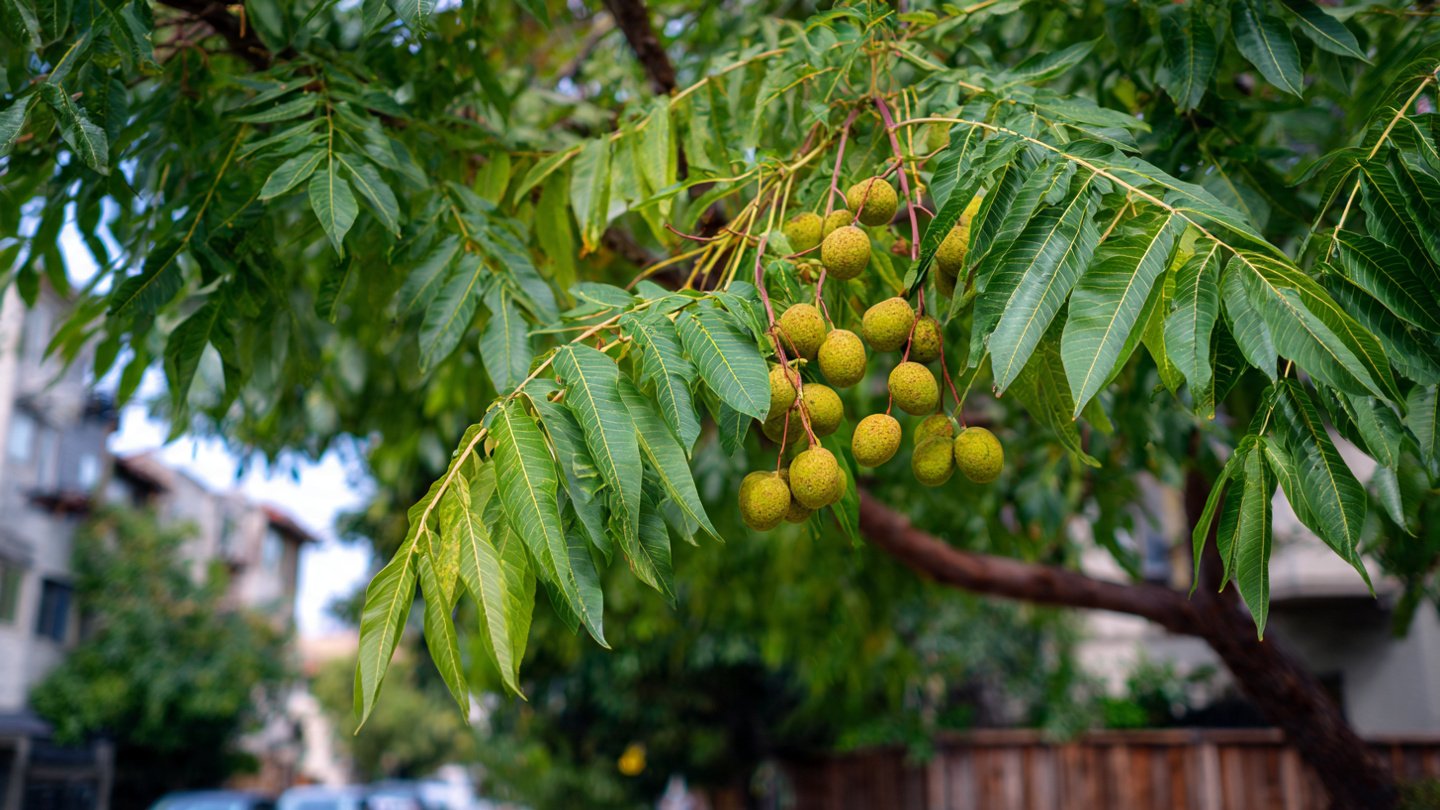
Growing black walnut trees (Juglans nigra) in urban areas can seem daunting, especially for beginners. However, with the right knowledge and techniques, anyone can cultivate these majestic trees in their yards or gardens. Not only do black walnuts provide beautiful shade, but their nuts are also a delicious addition to your diet. In this article, we will delve into the essentials of successfully growing black walnut trees in urban spaces, along with some frequently asked questions (FAQs) to address common concerns.
Understanding Black Walnut Trees
Characteristics
Black walnut trees are known for their tall stature, reaching heights of 50 to 75 feet, and their broad canopies that provide ample shade. The trees are recognizable by their dark furrowed bark and large, compound leaves that offer a striking green hue in the summer. In the fall, the leaves turn a brilliant yellow before falling off.
Uses
Apart from their aesthetic appeal, black walnuts are famous for their rich, flavorful nuts, which can be harvested for culinary uses. The wood of the black walnut tree is also highly valued in furniture-making and cabinetry due to its beautiful grain and durability.
Growing Preferences
Before diving into the practicalities of planting, it’s crucial to understand the tree’s growing preferences. Black walnut trees thrive in USDA hardiness zones 4 through 9, requiring full sun to partial shade, well-drained soil, and adequate moisture. They also prefer slightly acidic to neutral soil (pH of 6.0 to 7.0).
Preparing to Plant
Site Selection
Choose a location that receives at least 6 to 8 hours of sunlight each day. Be mindful of nearby buildings, as large trees need plenty of space to grow without interference. Ensure that the site is well-drained, as black walnuts do not tolerate standing water.

Soil Testing
Conduct a soil test to determine pH levels and nutrient content. This helps in understanding what amendments may be necessary to create optimal growing conditions. Most garden centers offer soil testing kits, or you can send samples to a local extension office.
Securing Plants
Black walnut trees can be grown from seed, bare-root nursery stock, or container-grown trees. While seeds are a more challenging method for beginners due to the extended germination period, they can still be a rewarding option. Alternatively, purchasing nursery stock gives you a head start.
Planting Steps
Timing
The best time to plant black walnut trees is in the early spring or fall when the weather is cooler, and the tree can establish roots before facing the summer heat.
Planting Process
-
Dig the Hole: Create a hole that is three times wider than the root ball but only as deep as the root ball itself. This encourages lateral root growth.
-
Prepare the Soil: Mix in organic matter, such as compost or well-rotted manure, to enrich the soil surrounding the hole. This will help with water retention and nutrient availability.
-
Position the Tree: Place the tree in the center of the hole, ensuring that the roots are spread out evenly. The top of the root ball should be level with or slightly above the soil surface.

-
Backfill the Hole: Gently fill the hole with the excavated soil, pressing down lightly to eliminate air pockets. Water the area thoroughly after planting to settle the soil.
-
Mulch: Apply a 2- to 3-inch layer of mulch around the base of the tree, keeping it a few inches away from the trunk. This helps retain moisture and suppress weeds.
Caring for Black Walnut Trees
Watering
Black walnut trees need regular watering, especially during the first few years. Provide deep watering sessions once a week, allowing the soil to dry out slightly between waterings. Once established, they are drought-tolerant but will flourish with regular moisture.
Fertilization
Fertilizing is generally not necessary unless soil tests indicate nutrient deficiencies. If you do decide to fertilize, opt for a slow-release, balanced fertilizer in early spring and follow the package instructions.
Pruning
Pruning is essential for maintaining the health and shape of the tree. Remove any dead, damaged, or crossing branches, especially in the first few years. Aim for a central leader and an open canopy to promote airflow and sunlight penetration.
Pest and Disease Management
While black walnut trees are relatively pest-resistant, watch out for aphids, caterpillars, and walnut husk flies. Regularly inspect your tree for signs of infestation, and use organic pesticides if necessary. Also, be on the lookout for diseases like root rot and leaf spot.

Challenges in Urban Areas
Space Constraints
Urban environments often come with limited space. Ensure that you select a suitable area with enough room for the tree to grow. Avoid planting near buildings, fences, or power lines that could restrict its growth.
Juglone Sensitivity
Black walnut trees produce a chemical called juglone, which can inhibit the growth of certain plants nearby. Avoid planting sensitive species (e.g., tomatoes, potatoes, and some flowers) within a 50-foot radius of the tree.
Pollution
Urban air and soil pollution can affect tree health. Regularly monitor your tree for signs of stress and consider using mulch or organic amendments to improve soil conditions.
Companion Plants
Planting companions can promote healthy growth and reduce competition. Some suitable choices include:
- Hawthorn: Attracts beneficial insects and offers beautiful flowers.
- Prairie Grasses: Provide a natural ground cover, minimizing weeds.
- Native Wildflowers: Support local pollinators and improve biodiversity.

Harvesting Walnuts
Once your black walnut tree matures (which can take 7 to 10 years), you can begin harvesting nuts in the fall. Monitor for fallen nuts, which will have a hard shell and a dark, leathery exterior. Remove the husks and store the nuts in a cool, dry place.
Conclusion
Growing black walnut trees in urban environments is not only possible but can be a highly rewarding endeavor. With the right preparation, planting techniques, and ongoing care, these trees can thrive and enhance your outdoor space while offering delicious nuts and valuable shade. Embrace the journey of cultivating these impressive trees and enjoy the benefits they bring.
FAQs
1. How long does it take for a black walnut tree to produce nuts?
Typically, black walnut trees start producing nuts at around 7 to 10 years of age, depending on growing conditions.
2. Can I grow black walnut trees in pots?
While it is possible to grow black walnuts in pots for the first few years, they will eventually need to be planted in the ground to reach their full potential.
3. Do black walnut trees attract pests?
While they can attract some pests, black walnut trees are generally resistant to many common tree pests. Regular monitoring is essential for early detection.

4. What plants are sensitive to juglone?
Common sensitive plants include tomatoes, potatoes, and many flowers, such as azaleas and rhododendrons.
5. Can I prune my black walnut tree in winter?
It is best to prune black walnut trees during late winter to early spring before new growth begins to minimize stress on the tree.
6. What type of mulch is best for black walnut trees?
Organic mulches, such as wood chips or shredded bark, are excellent for retaining moisture and improving soil quality around the tree.
7. How can I tell if my tree is healthy?
Look for lush, green leaves, strong growth, and a well-formed structure. Signs of stress may include yellowing leaves, stunted growth, or visible pests.
With the right care and attention, growing black walnut trees in urban spaces can become an enjoyable and fruitful venture. Happy planting!