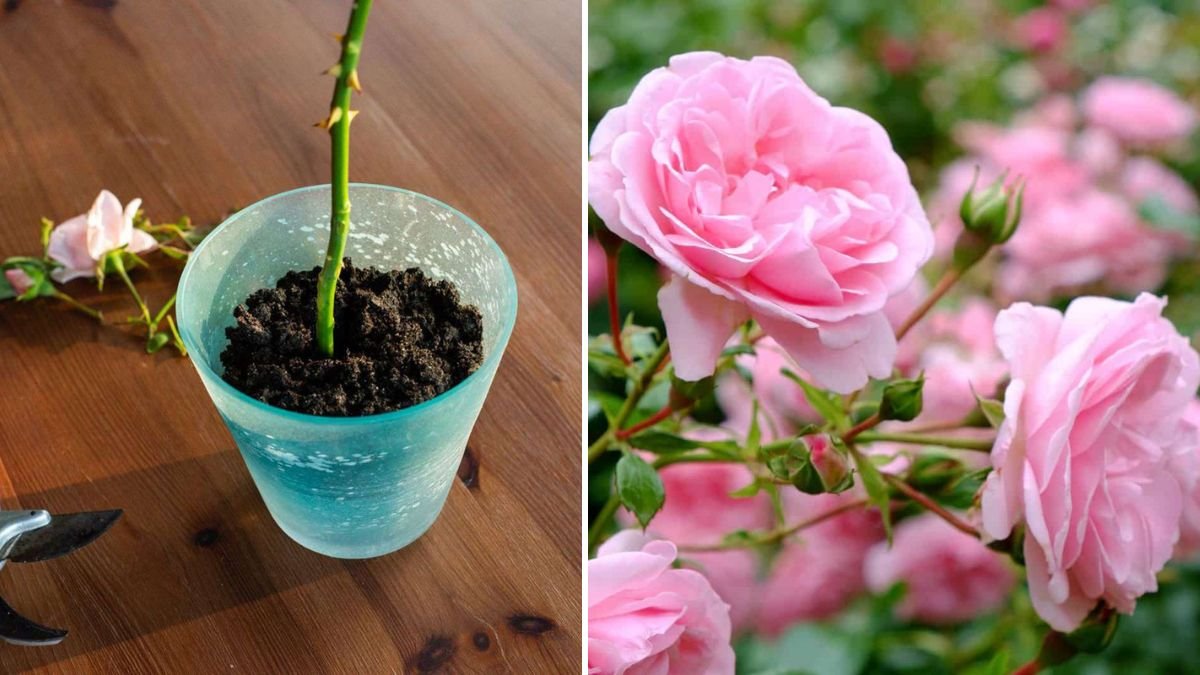
Growing roses from stem cuttings is a rewarding endeavor for gardeners of all skill levels. Not only does it allow you to propagate your favorite varieties, but it can also lead to a beautiful garden without requiring significant financial investment. If you’re new to gardening or looking to expand your rose collection, this guide will walk you through the process step-by-step.
Understanding the Basics
Before diving into the planting process, it’s essential to understand some basics about roses and stem cuttings.
Why Choose Roses?
Roses are diverse plants that come in various colors, sizes, and fragrances. They can be used in borders, containers, or as standalone statement pieces in the garden. By propagating from cuttings, you can cultivate roses that resonate with your personal taste and landscape design.
Types of Roses
There are numerous types of roses, but for propagation purposes, the most popular include:
- Hybrid Tea Roses: Known for large blooms, they make excellent cut flowers.
- Floribunda Roses: They bloom in clusters and are hardy.
- Climbing Roses: Ideal for trellises and fences, climbing roses can create striking vertical displays.
The Cutting Process: A Step-by-Step Guide
Step 1: Choose the Right Time

The best time to take stem cuttings from roses is during the late spring or early summer when the plant is actively growing. This timing increases your chances of success as the cuttings are taken from new wood, which is more conducive to rooting.
Step 2: Select Healthy Stems
Look for healthy stems that are about 6 inches long. The ideal cuttings should come from a vigorous plant free from disease and pests. Choose stems that have recently bloomed but have not yet produced flower buds.
Step 3: Prepare Your Tools and Materials
Gather these essential tools:
- Sharp pruners or a knife
- A clean, sharp spade
- Rooting hormone (optional but recommended)
- Potting mix (a mixture of peat moss and perlite is ideal)
- Containers or seed trays
- Clear plastic bag or a humidity dome
Step 4: Take the Cuttings
-
Make the Cut: Using your sharp pruners, make a clean cut just below a leaf node (the bump on the stem). This node is crucial as it’s where roots will develop.

-
Trim the Cutting: Remove any leaves from the lower half of the stem cutting, leaving only a couple of leaves at the top to minimize moisture loss.
Step 5: Apply Rooting Hormone
While not mandatory, using rooting hormone can significantly enhance your chances of successful rooting. Dip the cut end of the stem into the hormone powder, tapping off any excess.
Step 6: Prepare the Potting Mix
Fill your containers or seed trays with the potting mix, ensuring that it’s moist but not soggy. You might want to pre-water the mix to achieve the right moisture level before inserting the cuttings.
Step 7: Plant the Cuttings
Make a hole in the potting mix with a pencil or your finger. Insert the cutting about 1-2 inches deep, ensuring that the leaf nodes are underground while the leaves remain above the surface.
Step 8: Water and Maintain Humidity
After planting, water the cuttings gently to settle the soil around the stems. Use a clear plastic bag or humidity dome to cover the container, creating a greenhouse effect that maintains humidity.
Care and Maintenance
Location
Place your cuttings in a warm location with indirect sunlight. Too much direct sunlight can scorch the leaves and dry out the soil.

Watering
Keep the potting mix consistently moist but not waterlogged. Over-watering can lead to rot, while under-watering can hamper rooting.
Ventilation
Remove the plastic cover or bag periodically (1-2 times a week) to allow fresh air in and prevent fungus. After a few weeks, you can gradually reduce the humidity until the cuttings are acclimatized.
Monitoring Growth
In about 4-6 weeks, root development should begin. You can gently tug on the cuttings; resistance indicates that roots are forming.
Transplanting Your New Roses
Once the cuttings have developed a healthy root system (typically around 4-6 weeks), they are ready for transplanting. Here’s how to do it:
Step 1: Prepare New Pots or Garden Bed
Choose well-draining soil and ensure that the location receives adequate sunlight. If planting in a pot, choose one that is a bit larger than the previous container to give the roots room to grow.
Step 2: Transplanting the Cuttings
Carefully remove the cuttings from their original containers, taking care not to damage the roots. Plant them at the same depth as they were growing before, and water gently.

Step 3: Post-Transplant Care
Water the newly planted roses regularly, allowing the soil to dry out slightly between waterings. Mulching around the plant can help retain moisture and suppress weeds.
FAQs
1. How long does it take for rose cuttings to root?
It generally takes about 4 to 6 weeks for rose cuttings to root, depending on the variety and the growing conditions.
2. Can I use any type of rose for cuttings?
Yes, most varieties of roses can be propagated using cuttings. However, hybrid tea and floribunda roses tend to root more reliably.
3. What is the best rooting hormone to use?
Commercial rooting hormones that contain auxins (like indole-3-butyric acid) are highly effective. You can also use natural alternatives like honey or cinnamon, though they may not be as potent.
4. What should I do if my cuttings are wilting?
If your cuttings are wilting, check the moisture level of the soil. They may need more water or could be receiving too much direct sunlight. Ensure that your environment maintains adequate humidity.
5. When can I expect flowers from my new roses?

Patience is key! Newly propagated roses may take up to a year to bloom, especially if they are still establishing their roots.
6. How can I prevent pests and diseases while propagating?
Ensure that you use clean tools and healthy parent plants. Regularly check the cuttings for signs of pests or diseases, and isolate affected plants immediately.
7. Is it possible to grow roses indoors?
Yes, you can grow roses indoors as long as they have enough light and are cared for properly. Be mindful of temperature fluctuations and humidity levels.
8. Can I propagate roses in water?
While some gardeners have had success with water propagation, roses typically root better in soil or a soilless medium, as they require more nutrients than what water provides.
Conclusion
Growing roses from stem cuttings is an accessible and cost-effective way to expand your garden. By following these steps and caring for your cuttings properly, you can enjoy the beauty and fragrance of homegrown roses in no time. Happy gardening!