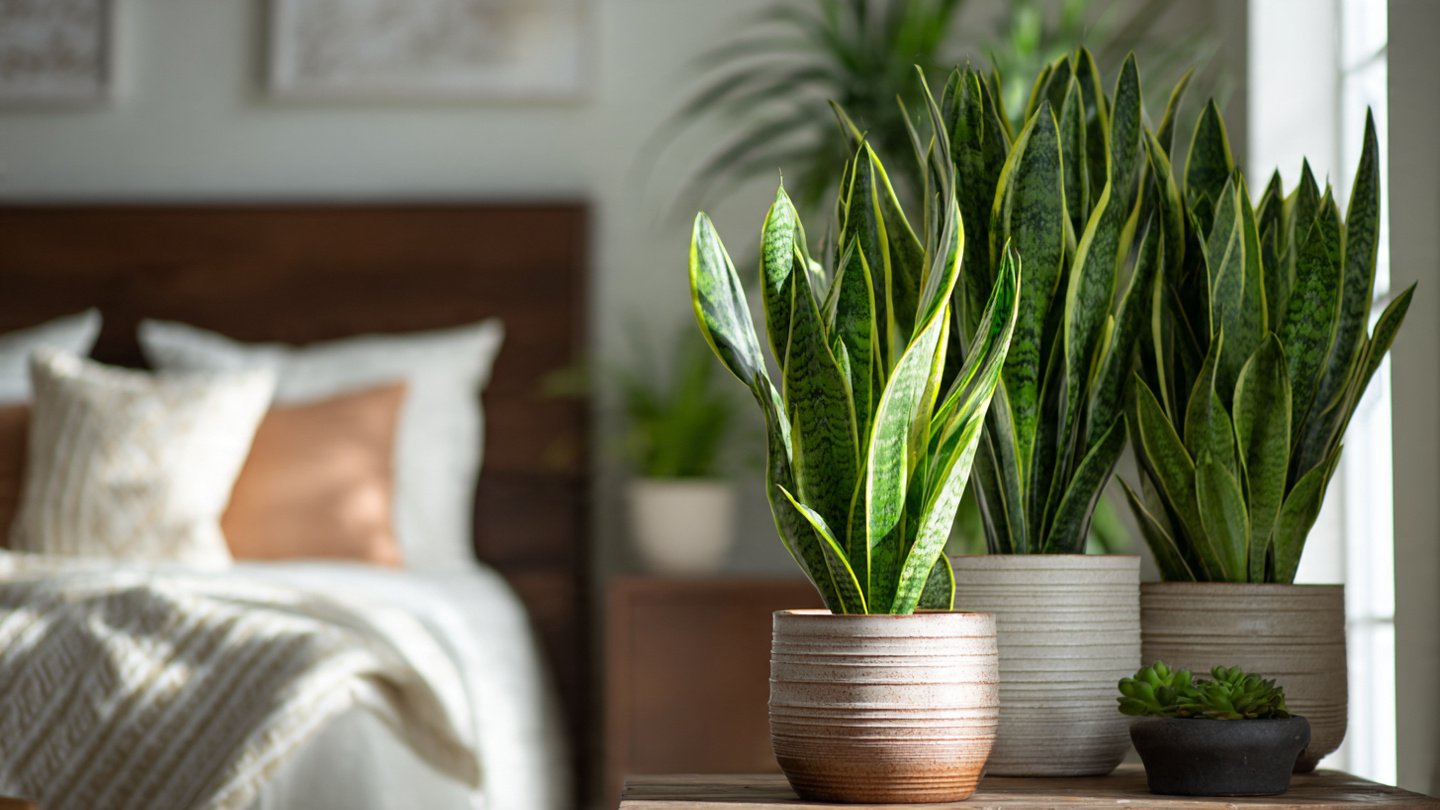
Sansevieria, commonly known as snake plant or mother-in-law’s tongue, is an increasingly popular houseplant that can significantly enhance air quality in your home. Its unique appearance, combined with its multitude of air-purifying benefits, makes it a fantastic choice for bedroom decor. This guide will cover everything you need to successfully grow and care for Sansevieria in your bedroom, ensuring that you create a healthier living environment.
Why Choose Sansevieria?
Air Quality Benefits
One of the primary reasons to grow Sansevieria is its impressive air purification capabilities. NASA’s Clean Air Study identified Sansevieria as one of the top air-purifying plants, capable of removing toxins such as formaldehyde, benzene, xylene, and toluene from the air. The plant converts CO2 into oxygen at night, making it an excellent choice for bedrooms where air quality is often overlooked.
Low Maintenance
Sansevieria is known for being resilient and low maintenance. It thrives on neglect, making it perfect for busy individuals or those who may not have a green thumb. This easy-care aspect ensures that you can enjoy the benefits without dedicating extensive time to its maintenance.
Aesthetic Appeal
With its striking upright leaves, Sansevieria adds a modern touch to any bedroom decor. The variety of types offers diverse appearances, from the sharp-edged leaves of Sansevieria trifasciata to the more compact Sansevieria cylindrica. It can complement various interior styles, from minimalist to bohemian.
Setting Up Your Sansevieria
Choosing the Right Pot

When selecting a pot for your Sansevieria, ensure it has drainage holes to prevent waterlogging. Terracotta or ceramic pots are excellent choices, as they allow the soil to dry out quickly. Choose a pot that complements your bedroom aesthetic while being functional.
Soil Requirements
Sansevieria thrives in well-draining soil. A cactus or succulent mix is ideal, but you can also create your own by mixing potting soil with perlite or coarse sand. This combination will ensure proper drainage and prevent root rot, a common issue with overwatered plants.
Ideal Lighting Conditions
While Sansevieria is adaptable to various lighting conditions, it thrives best in indirect sunlight. It can survive in low-light conditions, making it suitable for bedrooms that don’t receive much natural light. However, placing it in bright, indirect light will enhance growth and coloration.
Temperature and Humidity Needs
Sansevieria is tolerant of a wide temperature range but thrives in environments between 60°F and 80°F (15°C – 27°C). It can tolerate low humidity levels, which is typically found indoors. Ensure that it is not exposed to cold drafts or extreme temperature fluctuations.
Watering and Fertilizing
Watering Guidelines
One of the most common mistakes in caring for Sansevieria is overwatering. Water your plant when the top 1-2 inches of soil feel dry. During winter, decrease watering frequency, as the plant enters a dormant phase. Always ensure that excess water can drain away; if in doubt, it’s better to err on the side of underwatering.

Fertilizing
Sansevieria doesn’t require heavy feeding. During the growing season (spring and summer), you can feed it with a balanced, water-soluble fertilizer diluted to half strength once a month. Do not fertilize in the fall or winter when the plant is dormant.
Common Pests and Problems
Pests
While Sansevieria is generally pest-resistant, it can occasionally attract mealybugs, spider mites, and aphids. If you notice a pest infestation, remove the affected leaves and treat the plant with insecticidal soap or neem oil.
Diseases
Overwatering can lead to root rot, which is detrimental to your Sansevieria. Ensure good drainage and avoid allowing the roots to sit in water. If root rot occurs, you may need to cut away the affected roots and repot the plant in fresh soil.
Propagation Techniques
Sansevieria can be easily propagated through two primary methods: leaf cuttings and division.
Leaf Cuttings
- Select a healthy leaf and cut it into sections about 4-6 inches long.
- Allow the cuttings to callous over for 2-3 days.
- Plant the cuttings in well-draining soil, burying them about an inch deep.
- Water lightly and place in a warm, bright location.

Division
- Remove the plant from its pot.
- Gently separate the roots and stems into smaller sections, ensuring each division has a root system.
- Re-pot the divisions in fresh soil and water them lightly.
Maintaining Sansevieria in Your Bedroom
Cleaning
To keep your Sansevieria healthy and attractive, wipe the leaves with a damp cloth occasionally to remove dust. This will enhance photosynthesis and contribute to better air quality.
Seasonal Care
During the growing season, you might notice new growth, while in the winter, your plant may remain dormant. Adjust your care routine according to the seasonal changes, primarily focusing on watering and fertilization.

Choosing the Right Location
Consider placing your Sansevieria near a window, but avoid direct sunlight to prevent leaf burn. If your bedroom has good airflow, you’ll promote healthy growth and optimal air quality.
Frequently Asked Questions
1. Can Sansevieria survive in low light?
Yes, Sansevieria can thrive in low-light conditions, making it ideal for bedrooms with less natural light. However, it will grow best in bright, indirect light.
2. How often should I water my Sansevieria?
Water your Sansevieria when the top 1-2 inches of soil are dry. This usually translates to watering every 2-6 weeks, depending on the season and factors like humidity.
3. What should I do if my Sansevieria has yellow leaves?
Yellow leaves can indicate overwatering or poor drainage. Evaluate your watering habits and consider repotting in fresh soil if root rot is suspected.
4. Can I grow Sansevieria in just water?

While Sansevieria can be propagated in water, it is not ideal for long-term growth. It is better suited to well-draining soil.
5. How do I know if my Sansevieria is getting too much sunlight?
If the leaves show signs of browning or scalding, it might be receiving too much direct sunlight. Move it to a location with bright, indirect light.
6. Is Sansevieria toxic to pets?
Sansevieria is mildly toxic to pets if ingested. If you have pets that tend to chew on houseplants, consider placing the Sansevieria out of their reach.
Conclusion
Growing Sansevieria in your bedroom is an excellent choice for anyone looking to improve indoor air quality while adding an attractive and low-maintenance plant to their decor. With proper care, you’ll enjoy the many benefits this versatile plant offers. Remember to monitor its health regularly, adjust your care routines according to the seasons, and most importantly, enjoy your flourishing Sansevieria!