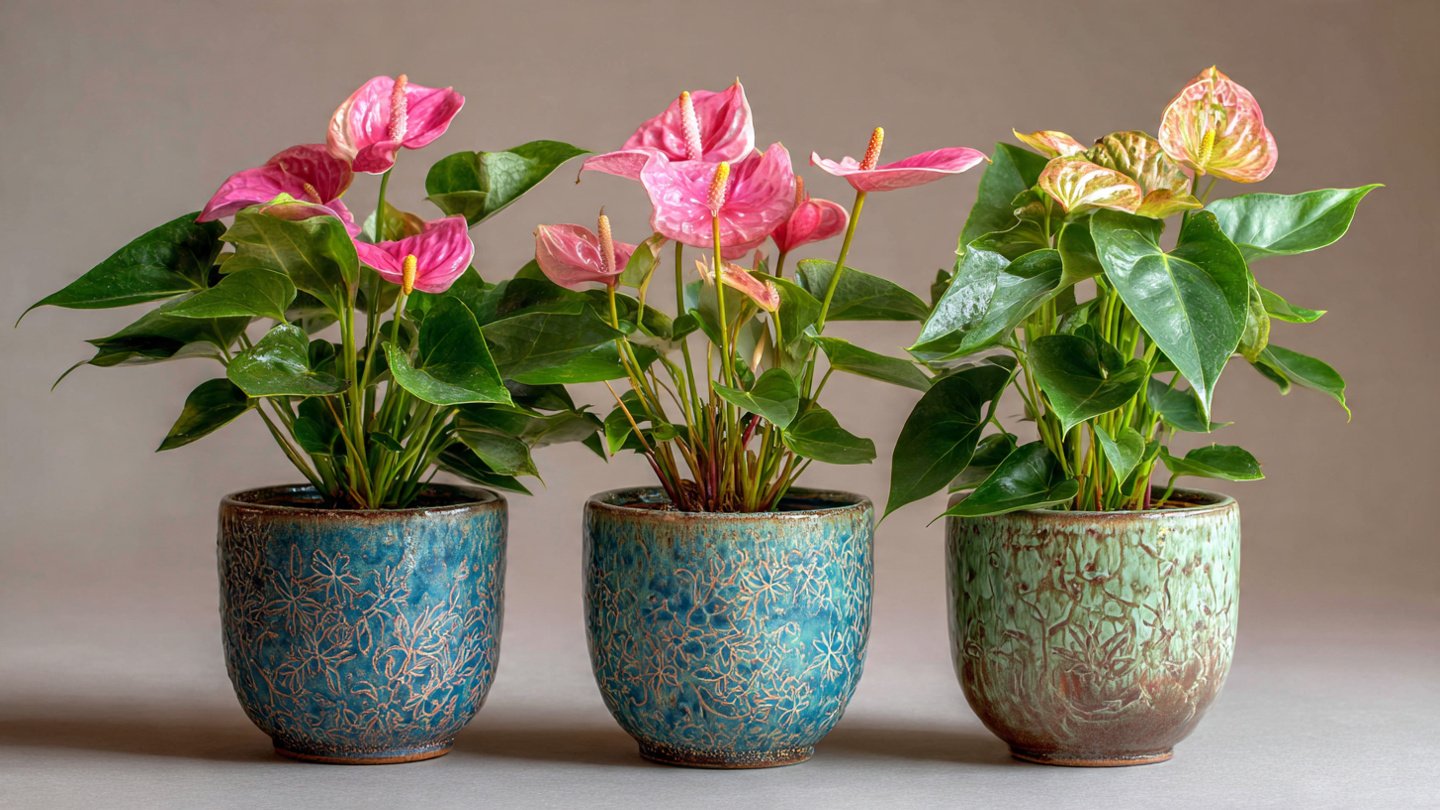
Anthurium plants, with their vibrant, heart-shaped flowers and glossy leaves, are a stunning addition to any indoor space. Known for their unique appearance and long-lasting blooms, they are often referred to as “flamingo flowers” or “laceleafs.” While they can be a little picky about their care, the good news is that thriving anthurium plants in pots can be achieved with a few simple hacks. This guide will walk you through the essential tips for nurturing these beauties, helping beginners cultivate their own thriving anthurium plants.
Introduction to Anthurium
Before diving into care hacks, it’s essential to understand what an anthurium plant is. Native to the tropical rainforests of Central and South America, anthuriums thrive in warm and humid environments. They belong to the Araceae family, which includes a variety of ornamental plants. Known for their striking flowers that come in colors such as red, pink, and white, anthuriums can bloom year-round, given the right conditions. Their leaves are also attractive, often large and shiny, adding to their charm as houseplants.
Characteristics of Anthurium:
-
Flowers: The colorful spathes and the central spike (the spadix) where the actual flowers grow are the most distinctive features.
-
Leaves: The large, glossy leaves can reach up to 12 inches in length and are usually dark green.
-
Growth Habit: Anthuriums are epiphytic, which means they often grow on other plants or trees in their natural habitat rather than in the ground.
The Ultimate Easy Hack for Thriving Anthurium Plants
1. Choosing the Right Potting Mix
One of the easiest hacks to promote healthy anthurium growth is using the right potting mix. Unlike many houseplants that thrive in dense potting soil, anthuriums prefer a well-draining mix. A good combination might include:

- Orchid bark: Provides excellent aeration.
- Peat moss or coconut coir: Helps retain moisture without making the soil soggy.
- Perlite: Enhances drainage and prevents compaction.
A tailored mix will ensure that the roots receive ample oxygen and avoid root rot, which is a common issue among anthurium growers.
2. Watering Wisely
Anthuriums enjoy consistent moisture, but overwatering can quickly lead to root issues. An easy hack is to adopt the “soak and dry” method:
- Soak: Water your anthurium until it drains out of the bottom of the pot.
- Dry: Allow the top 1-2 inches of the soil to dry out completely before the next watering.
Using a moisture meter can help beginners gauge when to water effectively. The optimal range is to keep the soil slightly moist without letting it become waterlogged.
3. Providing Adequate Humidity
Being tropical plants, anthuriums thrive in high humidity. If you notice your plant’s leaves starting to brown or become crispy, it may be a sign of insufficient humidity. Here are some easy hacks to increase humidity levels:

-
Pebble trays: Fill a shallow tray with water and place pebbles in it. Set your anthurium pot on the pebbles, ensuring the bottom of the pot doesn’t sit in the water. This will create humidity around the plant as the water evaporates.
-
Misting: Lightly misting the leaves daily can also boost humidity levels, but avoid getting water on the flowers to prevent rot.
-
Use a humidifier: If you live in a particularly dry climate, consider using a humidifier to maintain a healthy humidity level around your anthurium.
4. Optimal Lighting Conditions
Anthuriums prefer bright, indirect light. Direct sunlight can scorch their leaves, while too little light can hinder blooming. Here’s how to strike the right balance:
-
Location: Place your anthurium near a window with filtered light or a few feet away from a sunny window. East or north-facing windows are typically the best.
-
Grow lights: If natural light is insufficient, consider using grow lights for a few hours a day during winter months.
5. Feeding Your Anthurium

Regular fertilizer applications can significantly boost the health and flowering of your anthurium. Use a balanced fertilizer at half the recommended strength:
-
Frequency: Fertilize every 4-6 weeks during the growing season (spring and summer) and reduce feeding during the fall and winter.
-
Type: Choose a fertilizer that is rich in phosphorus (the middle number in N-P-K ratios) to promote blooming.
6. Repotting Needs
Anthuriums prefer to be somewhat root-bound, but repotting every 2-3 years can refresh the soil and give the roots more space to grow. The best time to repot is during the spring:
- Choose a slightly larger pot: Only increase the pot size by 1-2 inches.
- Inspect the roots: Make sure to check for any signs of rot or disease and trim away unhealthy roots before repotting.
Troubleshooting Common Issues
Even with the best care, you may encounter some issues with your anthurium. Here are common problems and easy solutions:
-
Yellowing Leaves: Often indicates overwatering. Adjust your watering schedule.
-
Brown Leaf Tips: This could be due to low humidity. Increase humidity around the plant.
-
No Blooms: Insufficient light or lack of fertilization may be the cause. Check light levels and adhere to a feeding schedule.

FAQs
1. How often should I water my anthurium?
Water when the top 1-2 inches of soil are dry. This usually means watering every 1-2 weeks, but it depends on environmental conditions.
2. Can anthuriums thrive in low light?
While they can tolerate low light, they may not bloom well. Bright, indirect light is best for optimal growth and flowering.
3. Are anthuriums pet-friendly?
Anthuriums are considered toxic to pets if ingested. Keep them out of reach of curious pets.
4. What is the ideal humidity level for anthuriums?

Anthuriums thrive in humidity levels of 60-80%. Increasing humidity via pebble trays or humidifiers is beneficial.
5. How long do anthurium flowers last?
With proper care, the flowers can last for several months, and the plant can bloom year-round under ideal conditions.
6. Should I prune my anthurium?
Remove any dead or yellowing leaves to promote healthy growth. You can also prune spent flowers to encourage more blooms.
7. Why are my anthurium leaves turning brown?
Brown tips may be a sign of low humidity, underwatering, or direct sunlight. Evaluate the care conditions and adjust as needed.
Conclusion
With the right potting mix, careful watering, optimal lighting, and a sprinkle of humidity, your anthurium plants can thrive beautifully in your home. Remember the simple hacks outlined in this guide, and you’ll be well on your way to becoming an anthurium expert. These dazzling plants not only brighten your space but also serve as a testament to your gardening skills. Happy planting!