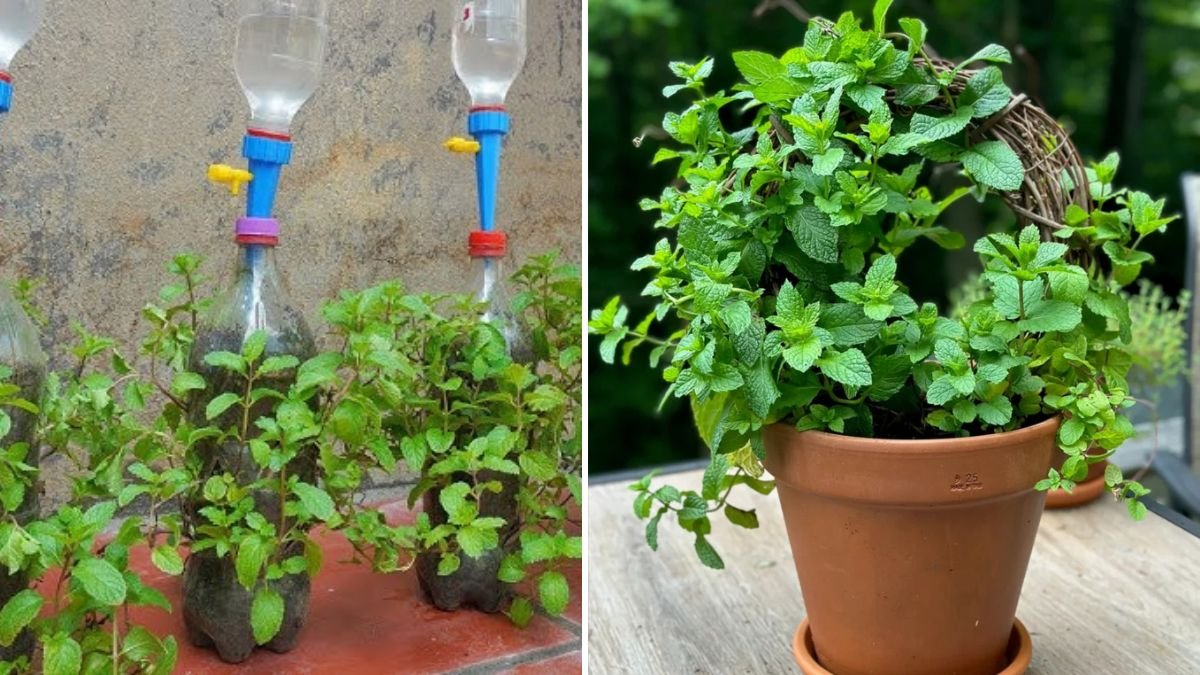
Home gardening has seen a resurgence in popularity, with more individuals turning to their backyards, balconies, and kitchen windowsills to grow fresh herbs, vegetables, and flowers. Among these cherished plants is mint, a versatile herb that adds flavor to dishes, enhances beverages, and offers a refreshing aroma. Mint is also relatively easy to propagate, making it an ideal choice for both novice and experienced gardeners. In this article, we’ll explore the simple trick to successfully root mint in a water jar, ensuring a thriving herb garden right at home.
Understanding Mint: A Brief Overview
Mint is a perennial herb belonging to the Mentha genus, which includes various species such as spearmint (Mentha spicata) and peppermint (Mentha × piperita). Known for its distinct aroma and flavor, mint is commonly used in teas, desserts, and both sweet and savory dishes. Furthermore, its natural ability to repel pests makes it a valuable addition to any garden.
Why Propagate Mint?
- Cost-Effective: Growing your own mint saves money compared to buying fresh herbs at the store.
- Freshness: Homegrown mint is always ready when you need it and is free from pesticides.
- Variety: You can experiment with different types of mint, each offering unique flavors and aromas.
- Fun Activity: Gardening can be a therapeutic and enjoyable experience that connects you back to nature.
The Benefits of Water Propagation
Water propagation is a popular method for cultivating many herbs, including mint, due to its simplicity and effectiveness. Here are a few reasons to consider this method:
- Visibility: Watching roots develop in water can be a rewarding experience.
- No Soil Mess: Avoids the mess of potting soil, making it a clean process.
- Control: You can easily monitor water levels and the health of your cuttings.

The Simple Trick: Rooting Mint in a Water Jar
This process requires minimal equipment and a little patience. Follow the steps below to start your mint propagation successfully.
Materials Needed
- Mint Cuttings: Choose healthy stems from an existing mint plant or buy from a local nursery.
- Glass Jar: A clear glass jar provides visibility to observe root development.
- Water: Use clean, room temperature water. Avoid chlorinated water if possible.
Step-by-Step Instructions
-
Choose the Right Mint Variety
Decide whether you want to propagate spearmint, peppermint, or another variety. Each has distinct flavors and uses.
-
Select Healthy Stems
Look for fresh, healthy mint stems that are approximately 4-6 inches long and have several sets of leaves. Avoid stems that are brown or wilting.
-
Cut the Stems

Using clean, sharp scissors or garden shears, cut just below a node (the point where leaves emerge from the stem) about half an inch. This cut will encourage better root growth.
-
Prepare the Glass Jar
Fill the glass jar with enough water to submerge the cut ends of the mint stems. Ensure that no leaves are submerged, as leaves in water can rot and affect the health of the cutting.
-
Place the Cuttings in the Water
Arrange the cuttings in the jar, ensuring that only the cut ends are submerged. Position the jar in a location that receives indirect sunlight, as too much direct light can encourage algae growth.
-
Change the Water Regularly
To prevent stagnation and promote healthy root growth, change the water every few days. Rinse the cuttings gently before placing them back in the jar.
-
Be Patient
Rooting mint can take anywhere from 1-3 weeks. During this time, monitor the cuttings for signs of roots developing.
-
Transplanting the Mint
Once roots are 2-3 inches long, it’s time to move the mint to soil. Choose a pot with drainage holes and use well-draining potting soil. Create a hole in the soil and gently place the rooted mint cutting into the hole, ensuring that the roots are fully covered.
- Water the Newly Potted Mint: After transplanting, water the soil lightly to help settle it around the roots.
- Care for Your Mint Plant: Place the pot in an area where it receives adequate sunlight, and keep the soil moist but not soggy.

Care Tips for Growing Mint
-
Sunlight: Mint thrives in full sun to partial shade, requiring about 6 hours of light daily.
-
Watering: Keep the soil consistently moist, especially during warmer months.
-
Fertilizing: Use a balanced fertilizer every few weeks during the growing season to promote healthy growth.
-
Pruning: Regular pruning encourages bushier growth and prevents flowering, which can alter the flavor.
-
Pest Management: Keep an eye out for pests like aphids and spider mites. Neem oil or insecticidal soap can be effective in managing infestations.

Common Challenges and Solutions
1. Rotting Cuttings
Solution: Ensure that no leaves are submerged in the water. Change the water frequently to maintain freshness.
2. Slow Root Growth
Solution: Ensure the cuttings are getting adequate light. If they’re in dim lighting, consider moving them to a brighter location.
3. Overcrowded Growth
Solution: If planting multiple cuttings, make sure they’re spaced enough apart to prevent overcrowding and competition for nutrients.
FAQs
Q1: How long does it take for mint cuttings to root in water?
A1: Mint cuttings usually take 1-3 weeks to develop roots, depending on the conditions of light and water.
Q2: Can I propagate mint from store-bought mint?
A2: Yes, as long as the mint is fresh and healthy, you can propagate store-bought mint in water.
Q3: Do I need to use any special type of water for rooting mint?
A3: Ideally, use clean, room-temperature water. Avoid using water that has been treated with chlorine.

Q4: How often should I change the water?
A4: It’s best to change the water every 3-5 days to prevent stagnation and ensure optimal growth conditions for the cuttings.
Q5: When is the best time to propagate mint?
A5: The best time to propagate mint is in the spring or early summer when the plant is actively growing. However, you can propagate mint year-round indoors.
Q6: Can I grow mint in a pot?
A6: Yes, mint grows well in pots and is often best suited for container gardening to prevent it from spreading uncontrollably.
Q7: How can I use fresh mint once it’s grown?
A7: Fresh mint can be used in teas, cocktails, salads, desserts, and as a garnish. It can also be dried for later use.
Conclusion
Rooting mint in a water jar is not only simple but also a fulfilling activity for home gardening enthusiasts. With minimal materials, patience, and care, you can enjoy fresh mint at your fingertips year-round. Whether you’re adding it to your favorite dishes or infusing it in beverages, homegrown mint brings an unparalleled taste and aroma to your kitchen. Happy gardening!