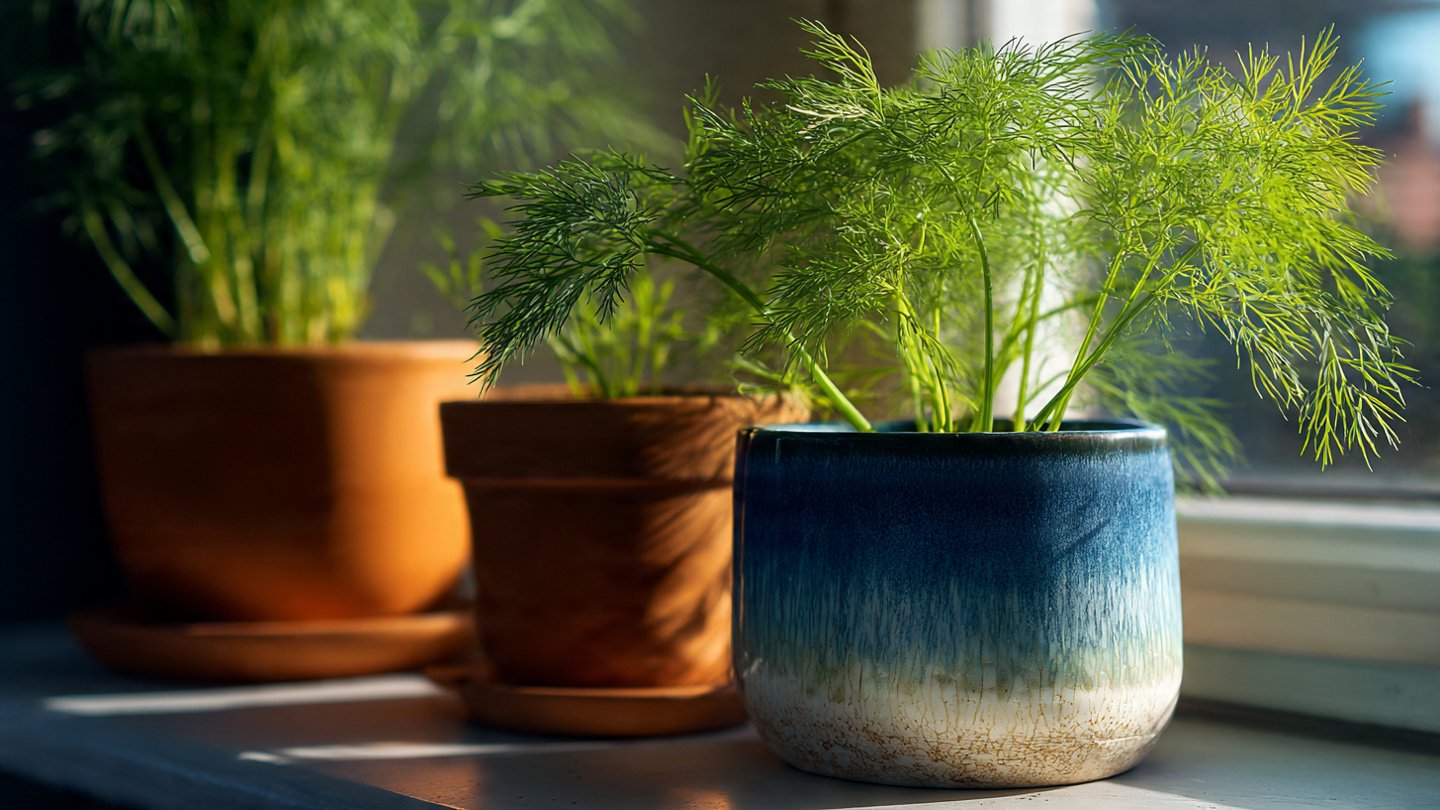
Growing your own herbs at home can be incredibly rewarding, particularly when it comes to flavorful plants like dill. This aromatic herb, known for its feathery foliage and vibrant flavor, is perfect for culinary use and also brings a fresh aesthetic to your home garden. In this article, we will guide you through the simple steps to grow dill leaves in pots at home, from seed selection to harvesting and maintaining your dill plant.
Understanding Dill
Before diving into the steps, let’s take a closer look at dill. Scientific name Anethum graveolens, dill is a biennial herb that is commonly used in various cuisines, especially Mediterranean and Eastern European. Known for its unique flavor, dill leaves can complement seafood dishes, salads, and pickles. The plant typically grows to about 2-3 feet tall and features delicate leaves that can be used fresh or dried.
Choosing the Right Pot
When starting your dill garden, the first step is selecting the right pot. Here’s what to consider:
-
Size: A pot that is at least 6-8 inches deep and wide is ideal for dill. This will give the root system enough space to grow. If you plan to grow multiple plants, opt for larger pots or wider containers.
-
Material: Terracotta, plastic, or ceramic pots can all work well. Make sure your pot has adequate drainage holes to allow excess water to escape.
-
Location: Choose a pot that can be placed in an area that receives full sunlight — dill thrives in bright light.
Soil Preparation
Next, you need to prepare the right soil for your dill:
-
Soil Type: Dill prefers a well-draining soil mix. Consider a potting mix formulated specifically for herbs. Many gardeners mix regular potting soil with perlite or sand to enhance drainage.
-
Nutrients: Dill benefits from nutrient-rich soil. You can add an organic fertilizer or compost to ensure your dill has plenty of nutrition for growth.

Planting Dill Seeds
Once your pot and soil are ready, it’s time to plant dill seeds. Here are the steps to follow:
-
Seed Selection: Purchase quality dill seeds from a reputable source. There are various varieties of dill, like ‘Bouquet’ and ‘Fernleaf’. Choose based on your taste preference.
-
Sowing Seeds:
- Plant 2-3 seeds in each pot, covering them lightly with soil about 1/4 inch deep.
- Space the seeds a few inches apart if sowing in a larger pot.
-
Watering: After planting, gently water the soil to keep it moist, but not saturated.
-
Light: Place the pot in a sunny spot where it will receive at least 6-8 hours of sunlight per day.
Caring for Your Dill Plants

Caring for your dill plants ensures robust growth and a bountiful harvest.
Watering
- Frequency: Water your dill when the top inch of the soil feels dry. Dill prefers evenly moist soil, but avoid overwatering as it can lead to root rot.
Fertilizing
- Schedule: Fertilize your dill once every four weeks with a balanced, water-soluble fertilizer. Follow the package instructions for proper dilution rates.
Thinning
- Spacing: Once the plants are about 3 inches tall, thin them to allow for better air circulation and light penetration. Keep the strongest plants and remove the weaker ones.
Pest Management
- Common Pests: Dill can attract pests like aphids, spider mites, and caterpillars. Regularly check your plants for signs of infestation.
- Natural Remedies: If pests appear, consider using insecticidal soap or neem oil as a natural treatment.
Harvesting Dill
Dill leaves can be harvested once the plant reaches about 6-8 inches in height, usually around 4-6 weeks after planting. Here’s how to effectively harvest your dill:
-
Cutting Leaves: Use sharp scissors or kitchen shears to cut the leaves. Harvest a few leaves at a time, rather than taking them all at once. This allows the plant to continue growing.

-
Timing: The best time to harvest is early in the morning when the essential oils are most concentrated.
-
Post-Harvest: Rinse the leaves gently and pat them dry. Fresh dill can be stored in the refrigerator for up to a week or dried for longer preservation.
Common Challenges
While growing dill can be relatively straightforward, challenges may arise. Here are a few common issues to consider:
-
Leggy Growth: If your dill is growing tall and spindly, it may not be receiving enough light. Move it to a sunnier spot.
-
Yellowing Leaves: Yellow leaves can indicate overwatering or nutrient deficiency. Check your watering habits and consider fertilizing.
-
Flowering: Dill tends to bolt (flower) when the weather gets too hot. If this occurs, you can still use the seeds, or cut the plant back to encourage new growth.
The Ideal Growing Conditions for Dill
To maximize your success in growing dill, consider the following optimal conditions:
-
Temperature: Dill thrives in temperatures between 60°F and 70°F (15°C – 21°C). Protect it from extreme temperatures.

-
Humidity: Dill prefers moderate humidity; too much moisture can promote fungal diseases.
-
Rotation: To avoid soil-borne diseases, practice crop rotation if you plan to grow dill year after year in the same pot.
Tips for Continued Growth
To keep your dill thriving:
- Regularly deadhead flowers to promote leaf production rather than seed production.
- Rotate pots when growing indoors for even light exposure.
- Experiment with companion planting. Dill grows well with plants like cabbage, lettuce, and onions, providing mutual benefits.
FAQs
1. Can I grow dill indoors?
Yes, dill can be grown indoors as long as it receives sufficient sunlight. A south-facing window is ideal.
2. How long does it take for dill seeds to germinate?
Dill seeds typically germinate within 7 to 14 days if the conditions are right.
3. Can I use store-bought dill seeds for planting?
Yes, store-bought dill seeds are suitable for planting, but ensure they are organic and not past their expiration date.
4. What are the ideal conditions for sowing Dill seeds?
Dill seeds prefer well-draining, nutrient-rich soil and should be planted in full sunlight with consistent moisture.

5. Is dill a perennial plant?
Dill is technically a biennial plant but is often grown as an annual. It completes its life cycle in one season.
6. Can dill grow in partial shade?
While dill can tolerate partial shade, it thrives best in full sun. Full sunlight ensures better growth and aroma.
7. How do I store fresh dill?
Fresh dill can be wrapped in a damp paper towel and stored in a plastic bag in the refrigerator. It can also be dried for long-term use.
8. What is the best time of year to plant dill?
Dill can be planted in late spring or early summer when the risk of frost has passed.
9. Why are my dill plants not growing?
Poor soil quality, inadequate light, and overwatering can hinder growth. Ensure that your plants have the right conditions.
10. Can I propagate dill from cuttings?
Dill is best grown from seeds, as cuttings may not root reliably.
Conclusion
Growing dill leaves in pots at home is a simple and rewarding process. With the right pot, soil, and care, you can enjoy a bountiful harvest of this fragrant herb. Whether you’re cooking, baking, or simply looking to enhance your garden, dill can add a delightful touch to your home. By following these simple steps and paying attention to the needs of your plants, you’ll be well on your way to a thriving dill garden. So pick up some seeds, find a sunny spot, and get started on your indoor herb oasis!