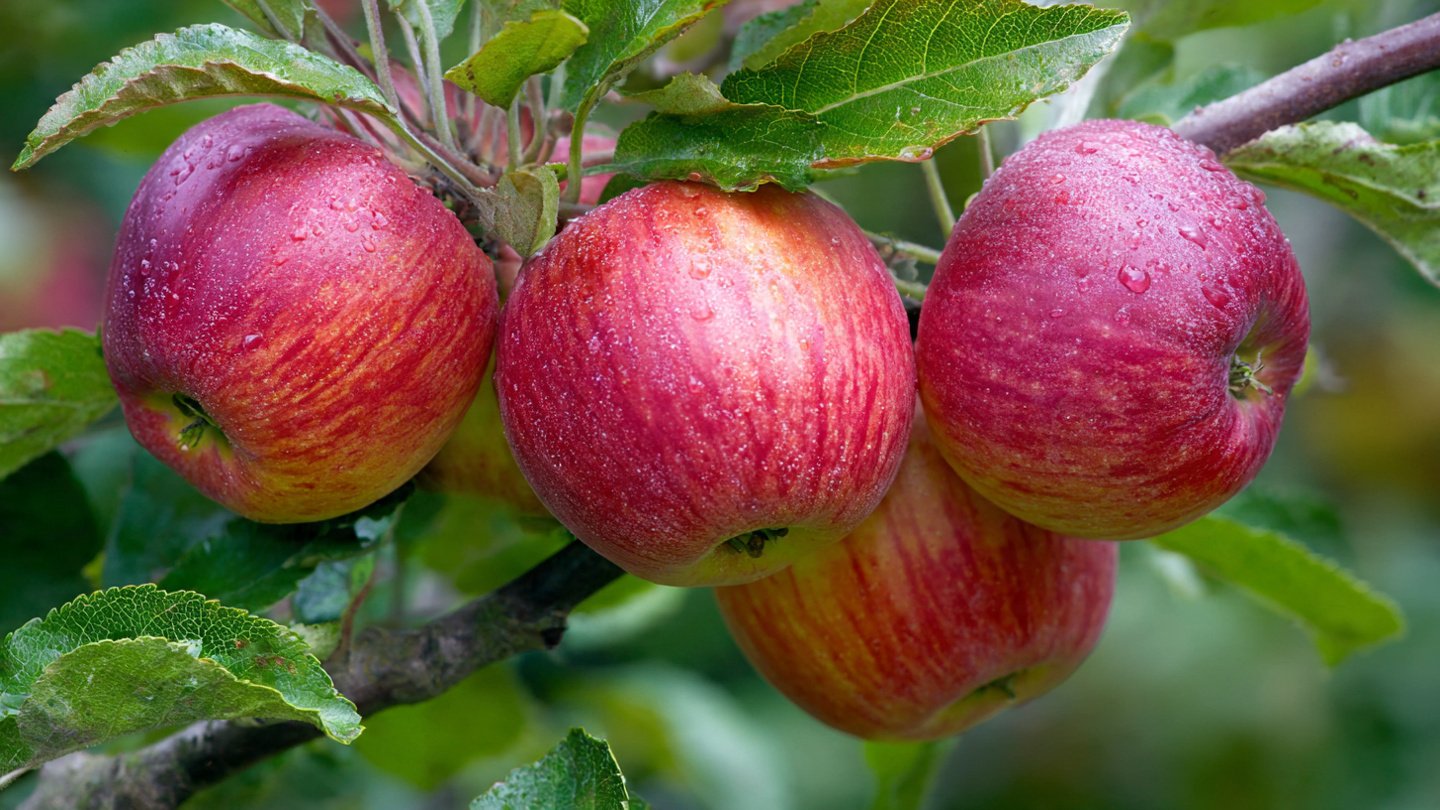
Fuji apples are among the sweetest and most fragrant apple varieties, making them a favorite for many gardeners and fruit enthusiasts. Originating from Japan, these apples are known for their crisp texture, vibrant color, and exceptional taste. If you’re thinking about growing Fuji apples in your backyard, you’re in for a rewarding experience. This comprehensive guide will take you through the essential steps, from choosing the right location to harvesting your delicious apples, as well as answering frequently asked questions.
1. Understanding Fuji Apples
Before delving into the practical steps of growing Fuji apples, it’s essential to understand what makes them unique:
- Flavor and Texture: Fuji apples are known for their sweetness and crispness, with a balanced flavor that ranges from honey to tart notes.
- Appearance: They typically have a red and yellow mottled skin, making them visually appealing.
- Uses: Perfect for fresh eating, baking, and making cider, Fuji apples are versatile and can be enjoyed in various culinary applications.
2. Choosing the Right Location
Selecting the optimal location for your Fuji apple tree is critical for a fruitful harvest. Here are the key factors to consider:
2.1 Sunlight
Fuji apple trees thrive in full sunlight, requiring at least 6-8 hours of direct sunlight daily. Ensure the chosen spot doesn’t have overwhelming shade from nearby buildings or trees.
2.2 Soil Type
Fuji apples prefer well-drained, sandy-loam soil that is rich in organic matter. Conduct a soil test to check pH levels; ideally, the pH should be between 6.0 and 7.0. If necessary, amend the soil with compost or other organic materials to improve drainage and fertility.
2.3 Space

Fuji apple trees need ample space to grow. Standard trees can reach heights of 15-20 feet, while dwarf varieties typically stay around 6-10 feet. Plan to space your trees at least 15-20 feet apart to allow for air circulation and sunlight penetration.
3. Selecting the Right Variety
While Fuji is a popular variety, it’s essential to choose between standard and dwarf types based on your space and preferences.
- Standard Fuji Apples: These trees grow taller and require more space, ideal for larger backyards.
- Dwarf Fuji Apples: A compact option suitable for smaller spaces, they produce apples of the same quality but at a manageable height.
4. Planting Your Fuji Apple Tree
Now that you have chosen the perfect location and variety, it’s time to plant your tree. Follow these steps for successful planting:
4.1 Timing
The best time to plant Fuji apple trees is in early spring or late fall, after the ground has thawed but before the tree breaks dormancy.
4.2 Digging the Hole
- Depth: Dig a hole that is twice as wide and deep as the root ball of your tree.
- Soil Preparation: Mix the excavated soil with compost to provide nutrients for your tree.
4.3 Planting
- Place the tree in the hole, ensuring that the graft (the bulge on the trunk where the rootstock and variety meet) is above soil level.
- Backfill the hole with the amended soil, gently pressing down to remove air pockets.

4.4 Watering
Water the newly planted tree thoroughly to help settle the soil. Keep the soil consistently moist during the first growing season, especially in dry spells.
5. Caring for Your Fuji Apple Tree
Caring for your apple tree is crucial for its health and productivity. Here’s what you need to do:
5.1 Watering
Fuji apple trees need about 1 inch of water per week, especially during dry periods. Use a soaker hose or drip irrigation to provide slow, steady moisture directly to the roots.
5.2 Fertilization
Fertilize your tree in early spring using a balanced fertilizer (such as 10-10-10) or a fertilizer designed specifically for fruit trees. Follow the package instructions for quantities based on the age and size of your tree.
5.3 Pruning
Pruning is essential for maintaining a strong, healthy tree:
- When to Prune: Early spring before new growth begins is the best time for pruning.
- How to Prune: Remove dead, diseased, or crossing branches to improve air circulation. Shape the tree to ensure sunlight reaches all parts evenly.

5.4 Pest Control
Watch for common pests like apple maggots, codling moths, and aphids. Use organic pesticides or insecticidal soap if infestations occur. Encouraging beneficial insects like ladybugs can also help control pests naturally.
5.5 Disease Management
Be aware of diseases such as apple scab and powdery mildew. Ensure good air circulation and avoid overhead watering to minimize humidity, which promotes disease. If necessary, apply fungicides as a preventive measure during the growing season.
6. Pollination
Fuji apple trees are not self-pollinating, meaning you need another apple variety nearby for successful fruit set. Consider planting pollinators like Gala or Granny Smith apples within 100 feet of your Fuji tree.
7. Harvesting Your Fuji Apples
After years of care and patience, it’s time for the rewarding process of harvesting:
7.1 Timing
Fuji apples typically mature in late summer to early fall. Harvest can occur in September to October, depending on your local climate and the specific conditions of your tree.
7.2 How to Identify Ripeness
A few cues can indicate your apples are ready to pick:
- Color: The skin color should be deep red with a hint of yellow.
- Firmness: They should feel firm to the touch.
- Taste: Sample one; if it’s sweet and juicy, it’s time to harvest!

7.3 Harvesting Method
Gently twist the apple to remove it from the tree. Avoid pulling straight down, as this can damage the tree.
8. Storing and Using Your Fuji Apples
Once harvested, properly store your apples to enjoy them longer:
8.1 Storage
Store Fuji apples in a cool, dry place or in the refrigerator, where they can last for several weeks.
8.2 Uses
Enjoy Fuji apples fresh, slice them into salads, bake them in pies, or make homemade applesauce. Their sweetness makes them a delightful addition to various dishes.
FAQs
Q1: How long does it take for Fuji apple trees to bear fruit?
A: Generally, Fuji apple trees take about 3-5 years after planting to start producing fruit.
Q2: What is the best climate for growing Fuji apples?
A: Fuji apples prefer temperate climates with cold winters and warm summers. They require chilling hours for proper fruit set, typically between 300 to 1,000 hours below 45°F.

Q3: Can Fuji apple trees grow in pots?
A: Yes, dwarf varieties of Fuji apple trees can grow in pots, but ensure the pot is large enough (at least 15 gallons) and that you provide adequate care, including proper watering and fertilization.
Q4: Are Fuji apples prone to any diseases?
A: Like many apple varieties, Fuji apples can be susceptible to diseases such as apple scab, fire blight, and powdery mildew. Maintaining good cultural practices helps prevent these issues.
Q5: How should I prune my Fuji apple tree?
A: Focus on shaping the tree, removing weak or crossing branches to improve air circulation. Aim for an open-center or central leader structure based on your preference.
Q6: Can I grow Fuji apples in a humid climate?
A: While Fuji apples prefer dryer conditions, you can grow them in humid climates with proper care. Ensure good airflow around your tree and watch for disease issues.
Growing Fuji apples in your backyard can be a rewarding endeavor that not only beautifies your garden but also provides delicious fruit for years to come. By following these simple steps and taking good care of your trees, you’ll soon enjoy the sweetness of your homegrown Fuji apples. Happy gardening!