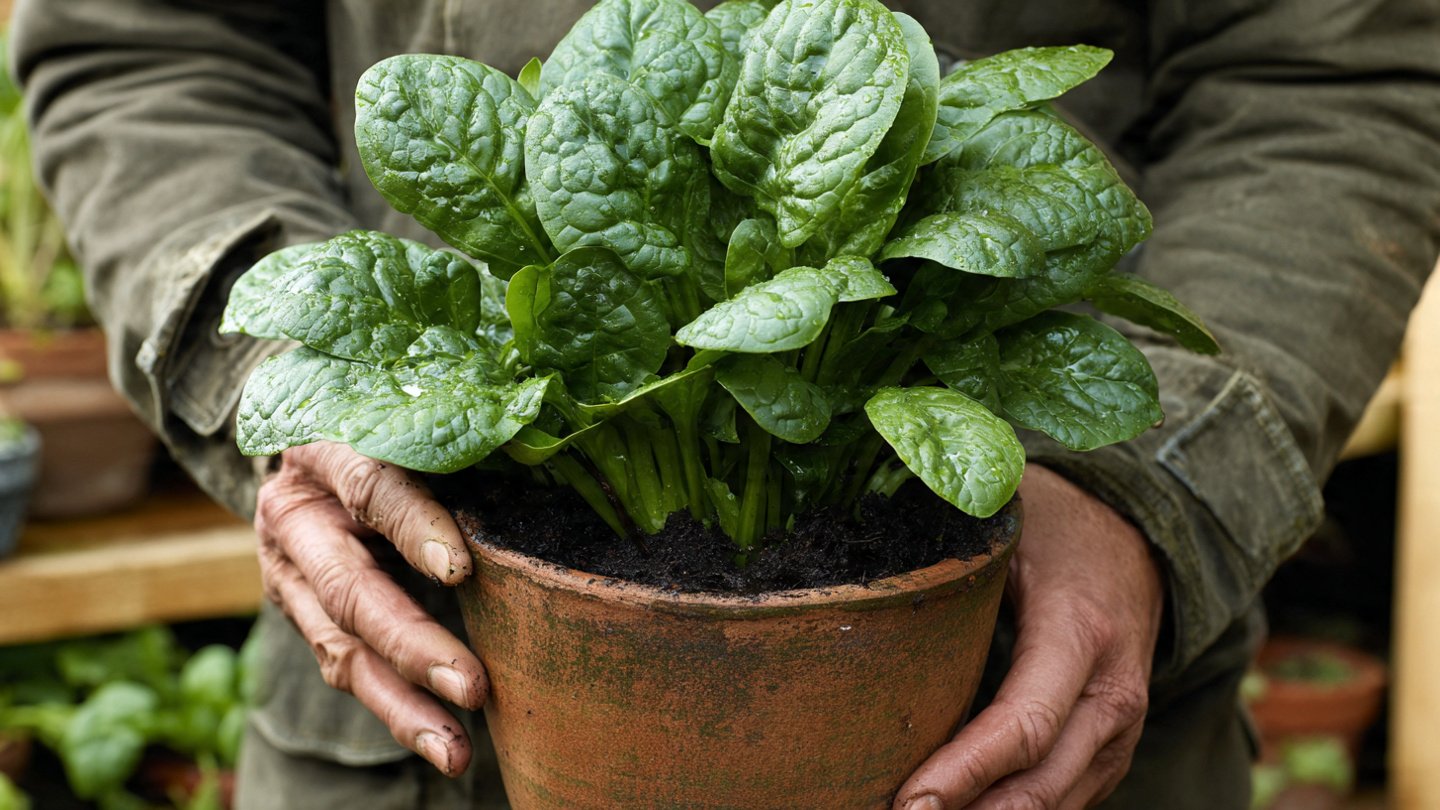
Growing spinach in pots can be a rewarding experience for both gardening novices and seasoned green thumbs. Whether you have a spacious garden or a small balcony, growing spinach is not just feasible but also enjoyable. This leafy green is not only nutritious but also versatile in the kitchen. In this article, we’ll guide you through the essentials of growing spinach in pots, offering tips and insights to ensure you achieve success.
Why Grow Spinach in Pots?
1. Versatility
Growing spinach in pots allows you to cultivate this green superfood in limited spaces. Whether you live in an apartment, have a small yard, or simply want to add a splash of green to your patio, pots can accommodate your gardening aspirations.
2. Easy Access
Container gardening makes it easy to attend to your plants. You can place pots at accessible heights and locations, making tasks like watering, harvesting, and caring for the plants simpler.
3. Control Over Conditions
Potted plants provide you with the flexibility to control their growing conditions. For instance, if you find that a particular spot in your garden is too sunny or too shady, you can reposition your pots to find the ideal environment for your spinach.
4. Aesthetic Appeal
Potted spinach not only provides fresh produce but can also beautify your space. The rich green color of spinach adds life to any area, making it a visually appealing addition to decks, patios, or windowsills.
Choosing the Right Pot
1. Size Matters
When selecting a pot for your spinach, size is essential. A container that is at least 6 to 12 inches deep is ideal, as spinach has a shallow root system. The pot should also be wide enough to support the spread of the leaves.

2. Material
Containers can be made from a variety of materials, including plastic, clay, metal, or wood. Each material has its pros and cons regarding drainage, weight, and temperature regulation. Clay pots are breathable but can dry out quickly; plastic pots retain moisture but may lack aesthetic appeal.
3. Drainage
Ensure that your pot has adequate drainage holes. Poor drainage can lead to root rot, which can be detrimental to your spinach plants. If your chosen container lacks holes, you can drill them or use a pot liner.
Selecting the Right Soil
1. Quality Soil
A high-quality potting mix designed for container gardening is crucial. Look for a mix that includes organic matter, as this improves drainage and provides nutrients.
2. pH Balance
Spinach thrives in soils with a pH range of 6.0 to 7.0. You can purchase a soil testing kit to ensure your potting mix falls within this range. Amendments can be added to balance pH if needed.
3. Nutrient-Rich Additives
Adding compost or slow-release fertilizers to your potting mix can boost nutrient levels. A well-balanced mixture will encourage healthy and robust spinach growth.
Planting Spinach Seeds
1. Timing
Spinach prefers cool weather and can be planted in early spring or late summer for a fall crop. If you live in a warmer climate, consider using shade cloth to protect your plants from excessive heat.

2. Seed Preparation
Soak your spinach seeds in water for a few hours before planting to promote germination. Plant seeds about ½ inch deep in the soil, spaced 2-4 inches apart. If you’re using a larger container, you can plant more seeds for a larger yield.
3. Watering
After planting, water the seeds gently to settle the soil around them. Keep the soil consistently moist but not soggy. Spinach likes damp conditions but does not tolerate standing water.
Caring for Your Spinach
1. Light Requirements
Spinach thrives in full sun, needing at least 6 hours of sunlight per day. However, in hotter climates, it can benefit from partial shade during the hottest part of the day.
2. Watering Routine
Keep the soil consistently moist, especially during the germination phase. Watering should be done early in the morning or late in the evening to prevent evaporation.
3. Fertilization
Feed your spinach with a balanced, water-soluble fertilizer every couple of weeks. Too much nitrogen can lead to leafy growth but may compromise the flavor.
4. Pest Management
Watch for common pests like aphids and snails. Natural pest deterrents, such as diatomaceous earth or neem oil, can help keep your plants healthy without chemicals.
Harvesting Spinach

1. Timing
Spinach can be harvested about 30 to 45 days after planting, depending on the variety. Look for leaves that are vibrant green and have reached a reasonable size.
2. Harvesting Method
To harvest, use sharp scissors or garden shears to cut the outer leaves, allowing the inner leaves to continue growing. This “cut and come again” method encourages successive growth.
3. Post-Harvest Care
After harvesting, rinse the leaves in cold water to remove any dirt or pests. Store them in a plastic bag in the refrigerator, where they can stay fresh for up to a week.
Seasonal Considerations
1. Spring Spinach
For spring planting, sow seeds in early spring to get a good harvest before the weather warms up.
2. Fall Spinach
In regions with mild winters, sow seeds in late summer for a fall harvest. Spinach can often survive light frost, which enhances its flavor.
3. Protecting Winter Harvests
If you’re in a colder climate, consider using row covers or bringing pots indoors during severe weather.
Common Challenges and Solutions

1. Slow Growth
If your spinach appears to be slow in growth, it could be due to insufficient light or inconsistent watering. Ensure that your pot receives enough sunlight and maintain a steady watering schedule.
2. Bolting
Spinach is prone to bolting (going to seed) when temperatures rise. If this happens, you can try planting heat-resistant varieties or providing shade until temperatures cool down.
3. Leaf Yellowing
Yellowing leaves may indicate nutrient deficiencies or overwatering. Test your soil and adjust your care routine accordingly.
FAQs
1. Can I grow spinach indoors?
Yes, spinach can be grown indoors as long as it receives enough sunlight or artificial grow lights.
2. How often should I water my spinach?
Water spinach when the top inch of soil feels dry. Consistency is key—avoid letting the soil dry out completely.
3. What are the best spinach varieties for pots?
Baby spinach varieties, such as ‘Butterflay’ or ‘Cogit,’ tend to perform well in pots due to their compact size.
4. Do I need to thin my spinach plants?

Yes, it’s advisable to thin seedlings to prevent overcrowding, allowing each plant to have enough space for healthy growth.
5. Can I grow spinach with other vegetables?
Yes, spinach can be a good companion plant for many vegetables, such as carrots and radishes, but avoid planting them with plants that might compete for nutrients.
6. Is spinach a perennial or annual plant?
Spinach is generally grown as an annual; however, in some climates, it can behave as a biennial plant.
7. How do I know when spinach is ready to harvest?
Spinach leaves are typically ready for harvest when they reach about 4-6 inches in length. Leaf color should be vibrant green.
8. Can I save seeds from my spinach plants?
Yes, you can save seeds, but be aware that if you are growing hybrid varieties, the seeds may not produce offspring identical to the parent plants.
Conclusion
Growing spinach in pots offers an accessible way to enjoy this nutritious green vegetable, even in limited spaces. By following the tips outlined in this guide, including selecting the right pot, choosing quality soil, and practicing effective care, you’ll be well on your way to a flourishing spinach harvest. With patience and proper care, you can look forward to enjoying fresh, home-grown spinach in your dishes. Happy gardening!