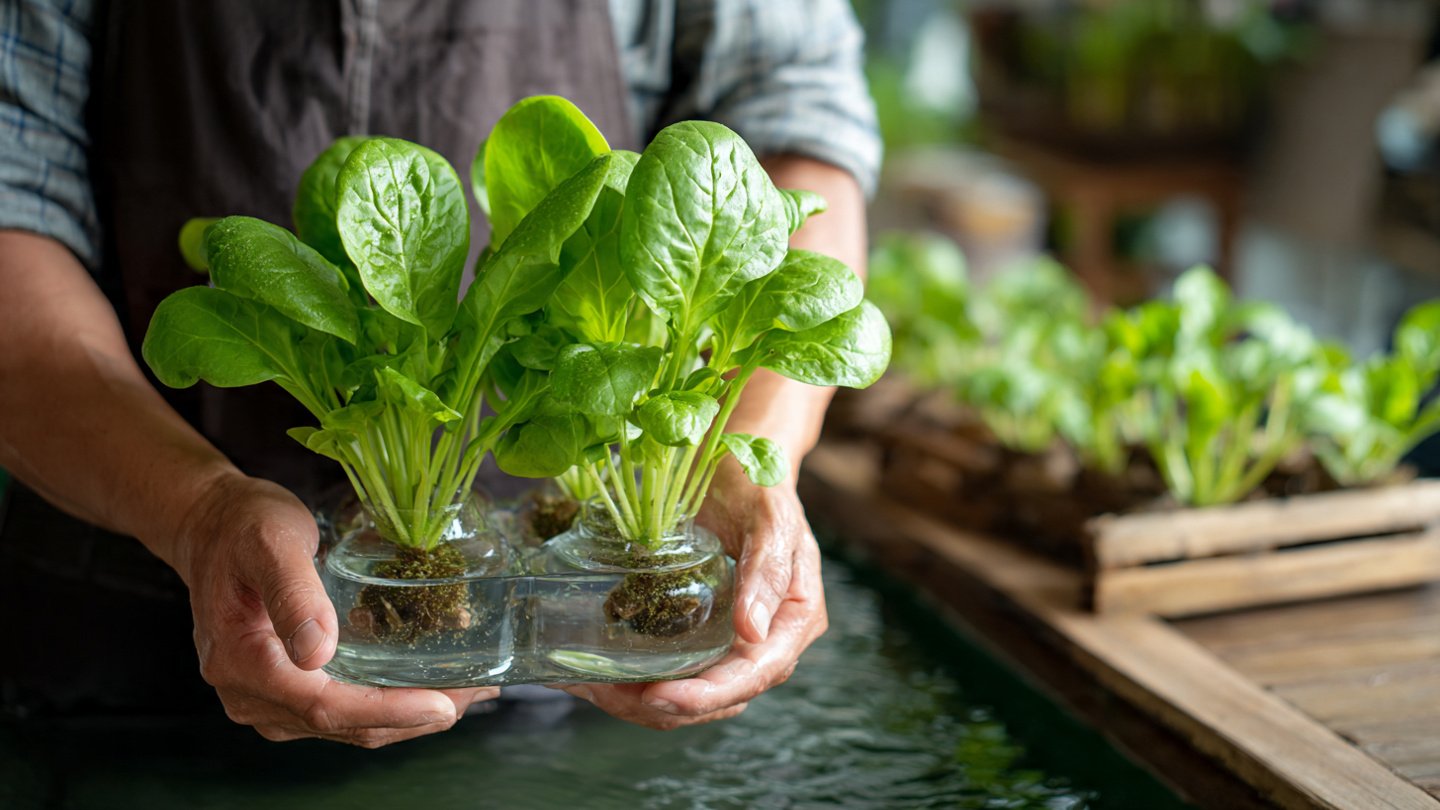
Growing your own spinach can be a rewarding and fulfilling endeavor, especially when you realize that it requires minimal space and can be done using a simple method: growing spinach in water. This technique not only simplifies the process but also allows even those with limited gardening experience to cultivate fresh produce right at home. Below we will explore the easy method to grow spinach in water, the benefits of this approach, and some tips for maximizing your success.
Why Grow Spinach?
Spinach (Spinacia oleracea) is a nutrient-dense leafy green that has gained popularity worldwide due to its numerous health benefits:
-
Nutritional Value: Rich in vitamins A, C, and K, along with folate and iron, spinach is a powerhouse of nutrition.
-
Low Maintenance: Spinach is relatively easy to grow, making it a great choice for beginners.
-
Versatile Use: This leafy green can be eaten raw in salads, added to smoothies, or cooked in various dishes, making it a versatile addition to your kitchen.
Materials Needed for Growing Spinach in Water
-
Seeds or Cuttings: You can use either spinach seeds or fresh spinach stalks with leaves.
-
Container: Any clean container will work—opt for a glass or a clear plastic container to observe the root development easily.

-
Water: Use distilled or tap water that has been allowed to sit for 24 hours to dissipate chlorine.
-
Light Source: A sunny windowsill or a grow light to ensure your spinach receives adequate light.
-
Nutrient Solution: If you’re using cuttings, you may want to add a hydroponic nutrient solution to the water for faster growth.
-
pH Test Kit: To monitor the pH levels of the water, ideally keeping it between 6.0 and 7.0.
Step-by-Step Guide to Growing Spinach in Water
Step 1: Choose Your Method
Seeds: If using seeds, select high-quality spinach seeds.
Cuttings: If using cuttings, find fresh spinach from your local market. Cut a few inches from the base of the stem.
Step 2: Prepare the Container
Choose a suitable container that can hold the water and allow the roots enough space to grow. Make sure the container is clean to prevent any contamination.

Step 3: Planting Seeds or Cuttings
For Seeds:
- Fill the container with water, leaving enough space for the roots to grow.
- Scatter a few seeds on the surface of the water. They will begin to sprout in about 5-10 days.
For Cuttings:
- Place your cuttings in the container with the cut end submerged in water.
- The leaves should be above the waterline to prevent rot.
Step 4: Light Exposure
Place the container in a location that receives ample sunlight—at least 6 hours per day. If natural light is insufficient, consider using a grow light.
Step 5: Monitor Water Levels
Check the water levels regularly, topping up as needed to keep the roots submerged. Additionally, change the water every 1-2 weeks to prevent stagnant conditions.
Step 6: Nutrient Addition

If you’re using cuttings, consider adding a diluted hydroponic nutrient solution to the water every two weeks. This will provide the necessary minerals for healthy growth.
Step 7: Harvesting
Depending on your method, you can expect to start harvesting spinach in about 4-6 weeks.
- Cutting Method: Snip the leaves as they reach a size you desire, allowing the plant to continue growing.
- Seeds: Once the leaves are about 4 inches long, you can start harvesting.
Tips for Thriving Spinach Growth
-
Maintain Temperature: Spinach thrives in cooler temperatures (50-60°F). Avoid placing it in hot locations.
-
pH Level: Monitor the pH of your water, aiming for a neutral pH of around 6.0 to 7.0 for optimal nutrient uptake.
-
Pest Management: Keep an eye out for pests, particularly aphids. If found, you can rinse your leaves or use insecticidal soap.
-
Spacing: If using a larger container, ensure adequate spacing between seeds for better air circulation and light exposure.
-
Regular Pruning: Regularly harvest and prune any yellow leaves to encourage new growth.

Troubleshooting
While growing spinach in water is relatively straightforward, you might encounter some challenges. Here are some common issues and their solutions:
-
Slow Growth: If you notice slow growth, double-check your light exposure and consider adding a nutrient solution.
-
Yellow Leaves: This may indicate overwatering or not enough light. Adjust accordingly.
-
Mold Growth: If you’re seeing mold, it might be due to stagnant water. Change the water more frequently and ensure good air circulation.
Final Thoughts
Growing spinach in water is a simple and sustainable gardening method that is perfect for beginners. With just a few materials and the right conditions, you can enjoy fresh spinach year-round. Plus, it’s incredibly satisfying to grow your food at home, knowing it’s free from pesticides and chemicals.
FAQs
Q: Can I grow spinach in just any kind of water?
A: It’s best to use distilled or dechlorinated tap water. Regularly change the water to prevent stagnation.

Q: How much sunlight does spinach need?
A: Spinach thrives with at least 6 hours of sunlight daily. If natural light is insufficient, consider using a grow light.
Q: How often should I change the water?
A: Change the water every 1-2 weeks to prevent stagnation and foul odor.
Q: Can I grow spinach indoors?
A: Yes! Spinach can be easily grown indoors as long as it receives adequate light.
Q: How do I know when to harvest my spinach?
A: You can start harvesting leaves once they are about 4 inches long. Always remove the outer leaves first to allow inner ones to grow.
Q: What pests should I be aware of when growing spinach?
A: Common pests include aphids and slugs. Monitor your plants regularly, and take action if you notice any infestations.
Q: How long does it take to grow spinach in water?
A: Depending on the method, spinach can be ready for harvesting in about 4-6 weeks.
By following this easy method to grow spinach in water, you can enjoy a bountiful harvest in your home garden. Happy gardening!