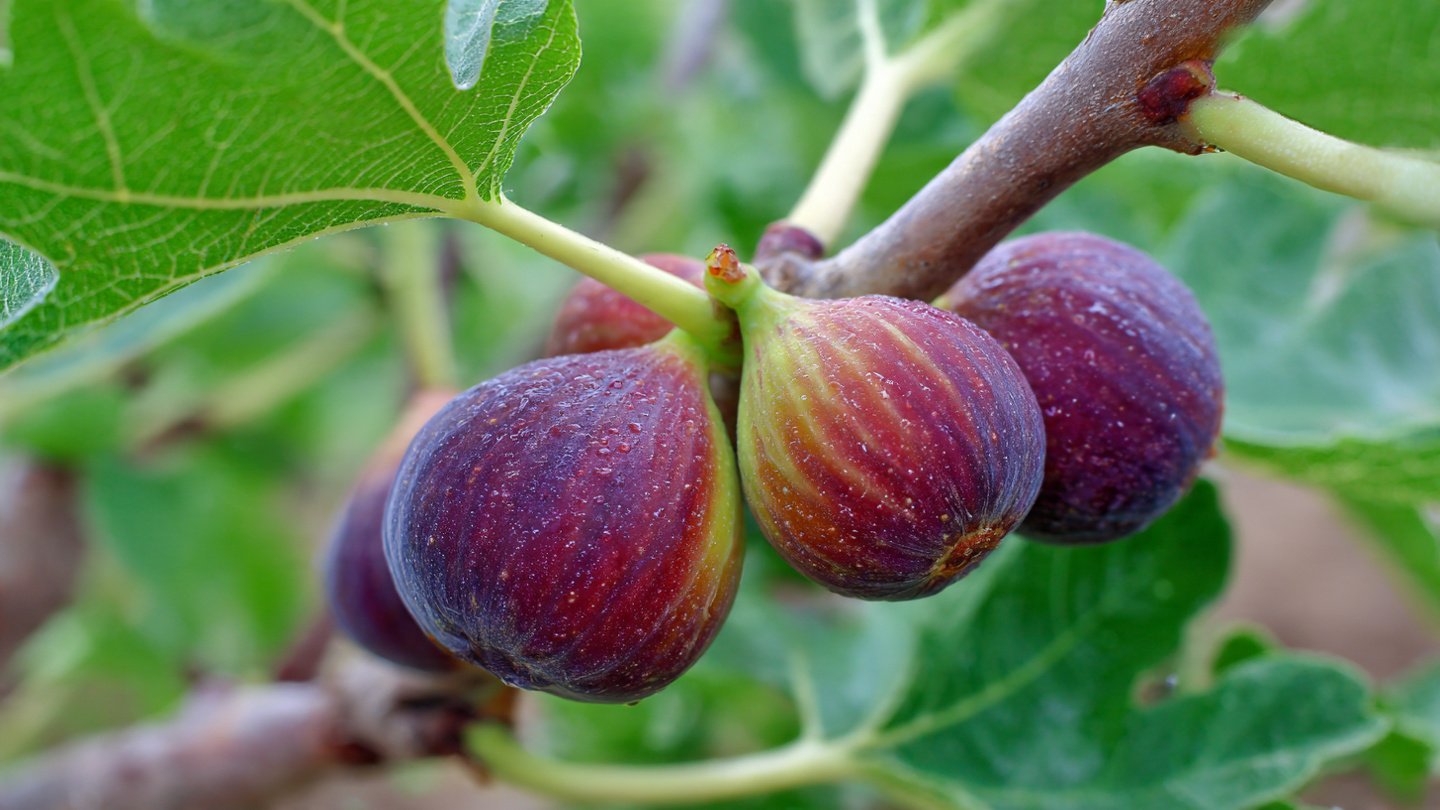
Figs are a delectable fruit that many gardeners dream of cultivating. However, traditional fig-growing advice often focuses on warmer climates, leaving those in cold areas feeling left out. Fortunately, with a bit of knowledge and the right techniques, you can grow figs successfully in colder regions while maximizing their flavor and yield. This article will guide you through the easy methods of growing figs in cold climates, ensuring you enjoy an abundant and tasty harvest.
Understanding the Fig Tree
Ficus carica is the scientific name for the common fig, a deciduous tree that thrives in Mediterranean climates. Fig trees have several attractive features: they’re relatively low-maintenance, produce luscious fruit, and can even serve as ornamental trees. However, one of their primary challenges is their sensitivity to frost and harsh winter temperatures.
Fig Varieties Suited for Cold Climates
When choosing fig varieties, opt for those specifically bred to withstand colder conditions. Here are some recommended varieties:
- Hardy Chicago: Known for its resilience, this variety can tolerate temperatures down to 5°F (-15°C).
- Celeste: This variety is smaller but notorious for its rich flavor and ability to withstand cold.
- Brown Turkey: A popular choice, Brown Turkey figs are sweet and adaptable to various climates.
- Adriatic: Adriatic figs are prized for their sweet green fruit and cold hardiness.
Preparing for Planting
Before planting your fig tree, it’s essential to set the stage properly.
1. Choose the Right Location
Fig trees thrive in full sun. Select a location that receives at least 6-8 hours of direct sunlight each day. Additionally, a south-facing wall can help create a microclimate, offering protection against harsh winds and retaining warmth.

2. Soil Requirements
Figs prefer well-draining soil rich in organic matter. Conduct a soil test to ensure the pH is between 6.0 and 6.8. If your soil is compact or clay-heavy, consider amending it with compost and perlite to improve drainage.
3. Planting Time
In cold climates, the ideal time to plant figs is in the spring after the last frost. This timing allows for optimal growth during the warm months.
The Planting Process
Now that you’ve prepared the site, it’s time to plant.
- Digging the Hole: Create a hole twice as wide and as deep as the root ball of your fig tree. This gives roots ample space to spread.
- Adding Amendments: If needed, incorporate compost or well-rotted manure into the backfill soil to ensure your fig tree has the nutrients it needs.
- Positioning the Tree: Place the fig tree in the center of the hole. Ensure that the graft point (where the tree was grafted onto the rootstock) is just above the soil line.
- Watering: Once planted, water the tree deeply to help settle the soil and eliminate air pockets.
Growing Techniques for Cold Climates
To maximize flavor and yield, specific techniques can help your fig trees adapt better to colder climates.
1. Pruning
Pruning fig trees is crucial, particularly in colder areas. This practice encourages new growth and higher fruit production. Here’s how to effectively prune:

- Timing: Prune in late winter or early spring before the buds break.
- Method: Remove dead or damaged wood, and shape the tree to encourage an open center for better air circulation.
2. Winter Protection
Protecting fig trees during frigid winters is essential for their survival and productivity.
- Mulching: Apply a thick layer of mulch (3-4 inches) around the base of the tree to insulate the roots.
- Wrap the Tree: For younger or more vulnerable trees, consider wrapping them in burlap or using a protective cage filled with leaves or straw.
- Container Planting: If space allows, consider growing figs in pots. This enables you to move them indoors during extreme cold.
Maximizing Flavor and Yield
While cold-climate fig growing is challenging, there are many ways to enhance the flavor and yield of your figs.
1. Watering Practices
Figs prefer deep but infrequent watering. Ensure that trees receive 1-2 inches of water weekly, especially during fruiting. Avoid overwatering, as it can lead to root rot.
2. Fertilization
Figs benefit from balanced fertilizers in spring and late summer. Use a low-nitrogen fertilizer (5-10-10) to avoid excessive leaf growth at the expense of fruiting.
3. Pollination
Most fig varieties self-pollinate, but some, like the Smyrna type, require specific wasps for pollination. Opt for self-pollinating varieties unless you are prepared to introduce pollinators.

4. Proper Harvesting
Harvest figs when they are fully ripe, which usually means they will have softened and may have started to droop. Check for color; ripe figs will typically be darker than unripe ones. Picking figs at the right time maximizes their sweet flavor.
Common Issues and Solutions
Like any crop, figs can face several challenges. Here are some common issues and how to address them:
1. Cold Damage
If you notice brown or shriveled leaves in spring, your tree may have experienced frost damage. In such cases, prune back affected areas to encourage new growth.
2. Poor Fruit Set
If your fig tree is dropping fruit prematurely, it may be due to drought stress or insufficient nutrients. Monitor watering practices and consider a balanced fertilization schedule.
3. Pest Management
Root-knot nematodes and wasps can affect figs. To manage pests, maintain healthy soil and plant companion plants that deter nematodes.

FAQs
Q1: Can I grow figs indoors in cold climates?
Yes, fig trees can be grown indoors in large pots. Just make sure to provide ample sunlight and keep them in a warm room during the winter months.
Q2: How often should I water my fig tree?
During the growing season, aim for 1-2 inches of water per week. Adjust frequency based on rainfall.
Q3: What is the best fertilizer for fig trees?
A low-nitrogen fertilizer (like 5-10-10) is ideal. Fertilize twice a year: once in spring and again in late summer.
Q4: How do I know when my figs are ripe?
Ripe figs will feel soft to the touch, have a darker color, and may droop on the tree.
Q5: Is it necessary to prune my fig tree?
Yes, pruning helps promote fruit production and maintain tree health by encouraging an open center for airflow.

Conclusion
Growing figs in cold climates may seem daunting, but with the right varieties, techniques, and care, you can achieve a fruitful harvest. By paying attention to location, soil conditions, and proper care methods, you can enjoy a bountiful supply of sweet, flavorful figs even in regions where winter chill reigns. With patience and dedication, you’ll find that the rewards far outweigh the challenges, making fig-growing an immensely satisfying endeavor. Happy gardening!