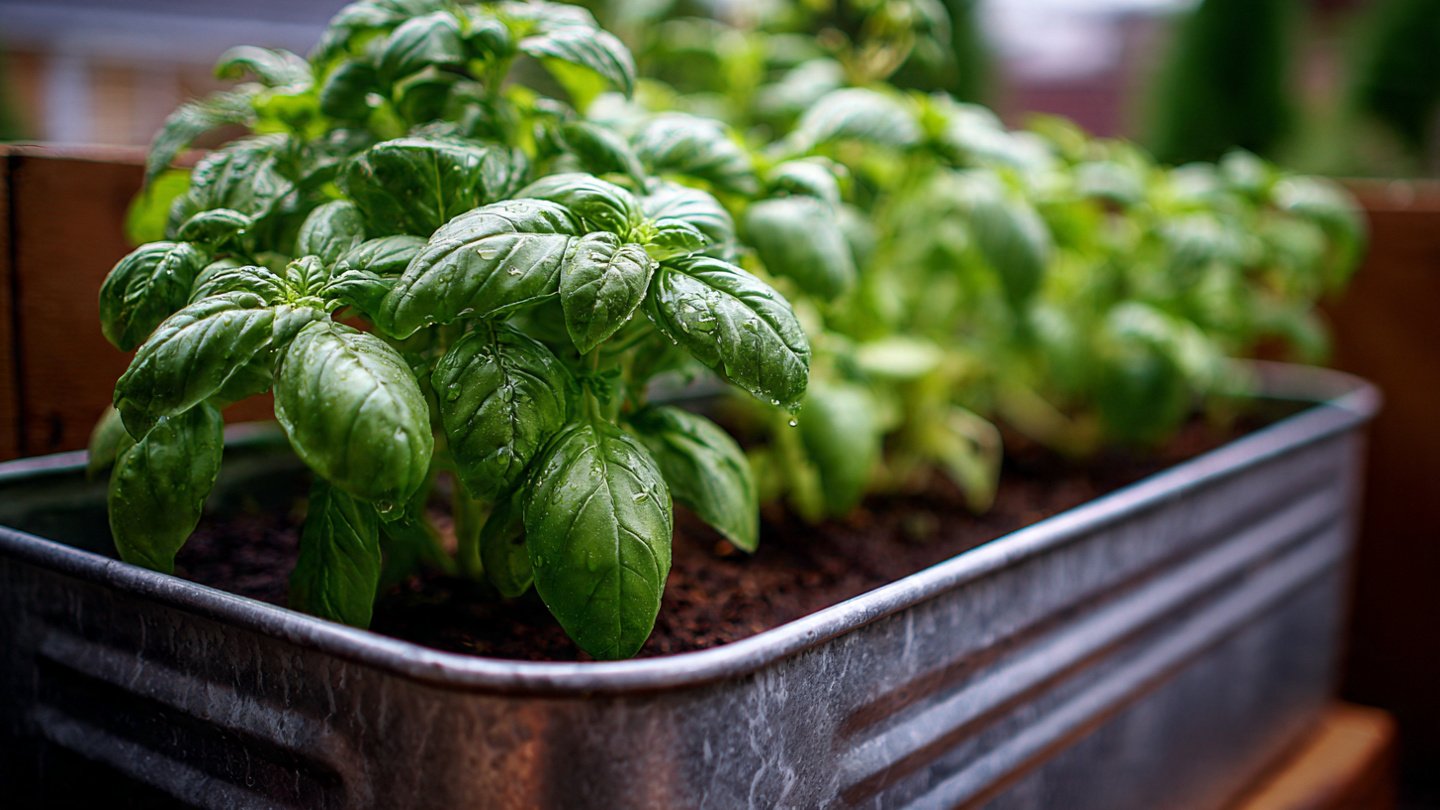
Growing your own basil can be a rewarding and delightful experience, especially for those who enjoy cooking and experimenting with fresh herbs in their culinary adventures. Whether you’re living in a small apartment or simply want to add some greenery to your balcony, cultivating basil in a container garden is an excellent choice. In this guide, we will cover everything you need to know about growing basil, from choosing the right pot to harvesting your aromatic bounty, along with a helpful FAQ section at the end.
1. Why Choose Basil?
Basil (Ocimum basilicum) is a versatile herb that thrives in warm weather, making it popular in culinary dishes across various cultures. Its fresh, aromatic leaves are commonly used in Italian pasta sauces, Mediterranean dishes, and, of course, the classic Caprese salad. Beyond its culinary uses, basil is also known for its potential health benefits, including anti-inflammatory properties and antioxidant effects.
2. Selecting the Right Container
Size Matters
The first step in your basil-growing journey is selecting the right container. A pot that is at least 6-8 inches deep and has a similar diameter is perfect for starting basil. This size allows enough room for the roots to grow while also maintaining adequate moisture levels.
Material Considerations
Containers can be made of various materials such as plastic, ceramic, clay, or metal. Each has its advantages:
- Plastic: Lightweight and often less expensive, but may not provide good drainage.
- Clay: Porous and allows for airflow, making it an excellent choice for plants that prefer dryer conditions.
- Ceramic: Aesthetic appeal but often heavy; look for those with drainage holes.
- Metal: Durable but can heat up quickly; ensure proper drainage.
Drainage Is Key

Regardless of the material you choose, make sure your pot has drainage holes at the bottom. This is crucial to prevent waterlogging, which can lead to root rot.
3. Choosing the Right Soil
Planting basil in the right soil is essential for its growth. Look for a well-draining potting mix designed for herbs or vegetables. A mixture that includes peat moss, perlite, and compost will provide a nutrient-rich environment essential for basil’s health.
Soil pH
Basil thrives in slightly acidic to neutral soil, ideally with a pH ranging from 6.0 to 7.0. You can test your soil using a simple pH test kit available at gardening centers.
4. Selecting Your Basil Variety
There are several varieties of basil, each with its unique flavor profile and appearance. Here are a few popular varieties you may want to consider:
- Sweet Basil: The most common type, featuring large green leaves and strong flavor.
- Genovese Basil: A traditional Italian variety, renowned for its rich flavor, ideal for pesto.
- Thai Basil: Characterized by its purple stems and anise-like flavor; excellent for Asian dishes.
- Lemon Basil: Offers a lemony fragrance and flavor, perfect for salads and teas.
Choose a variety that complements your cooking style and preferences.
5. Planting Your Basil

Planting Seeds or Seedlings
You can start basil from seeds or purchase seedlings from a nursery. If you’re planting seeds, sprinkle them on the soil surface and lightly cover them with a thin layer of soil. For seedlings, dig a small hole in the soil and gently place the plant in, ensuring it’s at the same depth as it was in the original container.
Watering
After planting, give your basil a thorough watering to help it settle into its new home. The soil should be moist but not soggy. Water your basil when the top inch of soil feels dry, ensuring the pot drains properly.
6. Providing Optimal Growing Conditions
Light Requirements
Basil loves sunlight; ideally, it should receive at least 6 to 8 hours of direct sunlight each day. Place your container in a sunny spot, such as a south-facing balcony or windowsill. If natural sunlight is limited, you can supplement with grow lights.
Temperature
Basil thrives in warm temperatures between 70°F to 90°F (21°C to 32°C). Protect your plants from extreme cold or frost, as basil is a tender annual.
Humidity and Airflow
Basil enjoys humid environments. If you live in a dry climate, consider misting the leaves occasionally or placing a small tray of water nearby to increase humidity. Adequate airflow is also essential to prevent diseases; avoid overcrowding your pots.
7. Fertilizing Your Basil
Once your basil plants have established themselves, you can begin fertilizing. A balanced, water-soluble fertilizer (like a 10-10-10 NPK) can promote healthy growth. Fertilize once every 4-6 weeks during the growing season.

Organic Options
For a more natural approach, consider feeding basil with compost tea or an organic fertilizer that enriches the soil without chemicals.
8. Watering Your Basil
Proper watering is crucial for the success of your basil. Overwatering can lead to root rot, while underwatering can hinder growth. Aim to keep the soil consistently moist but not waterlogged.
Signs of Watering Issues
- Overwatering: Yellowing leaves, wilting, and mold development on the soil surface.
- Underwatering: Wilting, crispy leaves, and dry soil.
9. Pruning and Harvesting
Pruning for Growth
Pruning your basil encourages bushier growth and prevents it from becoming leggy. Start pruning once your basil plants are about 6 inches tall by pinching off the tips of the stems. This will encourage branching.
Harvesting Leaves
You can begin harvesting basil leaves when the plants are about 6-8 inches tall. Always harvest in the morning when the oils in the leaves are most concentrated. Use clean scissors or your fingers to snip off leaves, leaving enough for the plant to continue growing.
10. Dealing with Pests and Diseases
Basil can attract pests like aphids, spider mites, and whiteflies. If you notice any pests, you can wash them off with a gentle spray of water or use insecticidal soap.

Common Diseases
Basil is susceptible to powdery mildew and root rot. To prevent these diseases:
- Ensure proper air circulation.
- Avoid overhead watering.
- Remove any diseased leaves immediately.
11. Winter Care and Longevity
If you live in a colder climate, consider bringing your container basil indoors during the winter. Place it near a sunny window and continue to care for it as you did outdoors.
Regrowing Basil From Cuttings
If you want to keep enjoying fresh basil year-round, you can take cuttings and root them in water. Once roots develop, transfer them to soil, and you’ll have a new basil plant!
FAQs
1. How often should I water my basil?
Basil prefers consistent moisture, so water when the top inch of soil feels dry. This typically means watering every few days, depending on environmental conditions.
2. Can I grow basil indoors?

Yes, basil can be successfully grown indoors as long as it receives at least 6 hours of direct sunlight, or through artificial grow lights.
3. How long does it take for basil to grow?
Basil typically takes about 4 to 6 weeks to grow from seed to a harvestable size. If you have purchased seedlings, you can start harvesting much sooner.
4. Why are my basil leaves turning yellow?
Yellowing leaves can be a sign of overwatering, nutrient deficiency, or inadequate sunlight. Assess your plant’s conditions to determine the cause.
5. Can I grow basil with other herbs?
Yes, basil can be grown alongside other herbs like parsley, chives, and oregano. However, be cautious with stronger-flavored herbs that may overpower it.
6. How do I store fresh basil?
Fresh basil can be stored in the refrigerator, wrapped in a damp paper towel and placed in a plastic bag. Alternatively, you can preserve it by freezing, drying, or making basil-infused oil.
Conclusion
Growing basil in a container garden is an easy and rewarding endeavor that enhances both your kitchen and your home. With proper care and attention, you can enjoy a continuous supply of fresh basil, enriching your culinary experiences. Follow these simple steps and tips, and you will be on your way to successfully cultivating your own basil garden, right at home!