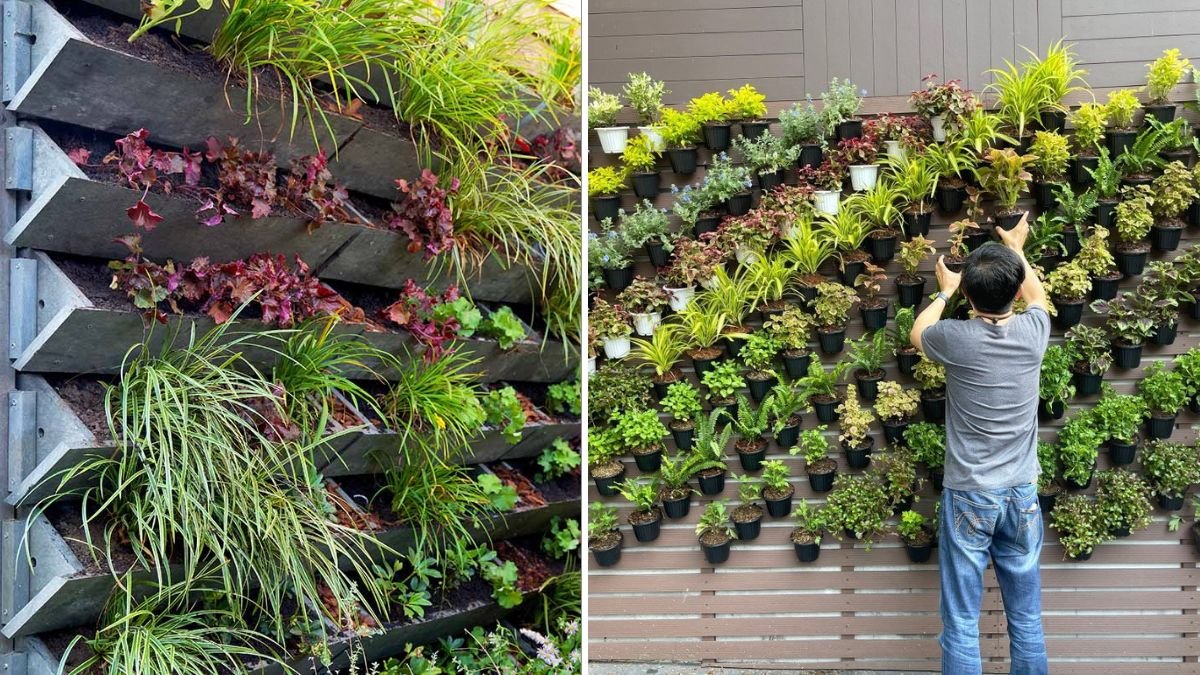
Hanging vegetable gardens provide a solution for limited spaces. Urban living often lacks traditional garden areas. Vertical gardening uses unused air space efficiently. Hanging systems allow fresh food production anywhere. They improve airflow and reduce soil-borne disease. Accessibility makes harvesting easier. Design flexibility suits balconies and indoors. Hanging gardens combine beauty and productivity.
Advantages of Hanging Vegetable Gardens
Hanging gardens maximize space utilization. Plants receive better air circulation. Pest pressure is reduced naturally. Water drainage improves root health. Vertical gardens improve sunlight exposure. Maintenance becomes easier. Visual appeal enhances living spaces. Function meets aesthetics.
Best Vegetables for Hanging Systems
Lightweight vegetables perform best. Leafy greens grow quickly and efficiently. Herbs thrive in compact containers. Cherry tomatoes adapt well. Peppers perform with proper support. Strawberries are ideal. Heavy root crops are unsuitable. Selection determines success.
Table: Ideal Vegetables for Hanging Gardens
| Vegetable | Growth Habit | Container Size | Light Need |
|---|---|---|---|
| Lettuce | Leafy | Small | Partial sun |
| Spinach | Leafy | Medium | Partial sun |
| Herbs | Compact | Small | Full sun |
| Cherry tomatoes | Fruiting | Large | Full sun |
Choosing Proper Containers
Containers must support plant growth. Lightweight materials reduce strain. Drainage holes prevent waterlogging. Breathable materials improve roots. Container size affects yield. Durable containers ensure safety. Recycled containers work well. Smart selection improves success.

Soil Selection for Hanging Gardens
Soil must be lightweight and nutrient-rich. Regular soil is too heavy. Potting mix ensures aeration. Compost adds nutrition. Coconut coir improves moisture retention. Balanced soil prevents stress. Healthy roots increase yield.
Watering Hanging Vegetables
Hanging plants dry faster than ground plants. Frequent watering is necessary. Morning watering reduces disease risk. Drip systems provide consistency. Self-watering containers help beginners. Inconsistent watering stresses plants. Proper moisture supports growth.
Sunlight Placement and Orientation
Proper placement ensures adequate light. South-facing areas work best. Rotate containers for even exposure. Avoid shaded locations. Fruit-bearing plants need full sun. Correct positioning increases harvest. Light drives productivity.
Fertilizing Hanging Vegetables
Nutrients leach quickly from containers. Regular feeding is essential. Liquid fertilizers work efficiently. Organic teas provide gentle nutrition. Overfeeding damages roots. Balanced nutrition supports continuous harvest. Consistency is key.

Support and Safety Considerations
Strong supports prevent accidents. Hooks must handle weight. Weather-resistant materials last longer. Secure installation ensures safety. Regular checks prevent failure. Safety should always be prioritized. Stability supports growth.
Pest Control in Hanging Gardens
Hanging gardens face fewer pests. Regular inspection prevents infestations. Neem oil works effectively. Good airflow discourages pests. Healthy plants resist damage. Prevention maintains yield. Clean systems stay productive.
Pruning and Maintenance
Pruning keeps plants compact. Removing dead growth improves airflow. Trimming encourages branching. Regular maintenance improves appearance. Healthy plants produce more. Care ensures longevity. Maintenance boosts yield.
Indoor Hanging Vegetable Gardens
Indoor systems allow year-round production. Grow lights supplement sunlight. Temperature control is easier. Compact vegetables perform best. Ventilation prevents disease. Indoor gardens increase food access. Controlled environments boost success.

Seasonal Adjustments
Weather affects hanging gardens quickly. Summer increases watering needs. Winter requires protection. Fertilization schedules change seasonally. Monitor plants closely. Seasonal adaptation prevents loss. Care adjustments maintain yield.
Creative Hanging Garden Designs
Creative designs enhance productivity. Tiered systems maximize space. Mixed planting adds diversity. Colorful containers improve appearance. Vertical layers increase output. Design improves efficiency. Creativity enhances gardening.
Mistakes to Avoid
Overcrowding reduces airflow. Poor drainage causes root rot. Weak supports risk damage. Inconsistent watering stresses plants. Ignoring maintenance reduces yield. Avoid mistakes for success. Learning improves results.
Sustainable Gardening Practices
Reuse containers creatively. Compost kitchen waste. Collect rainwater when possible. Sustainable practices reduce costs. Eco-friendly gardening supports the environment. Responsible choices improve yield. Sustainability benefits all.

Budget-Friendly Hanging Garden Setup
Affordable setups are possible. Use recycled bottles or baskets. DIY systems save money. Start small and expand. Budget gardens produce well. Creativity reduces cost. Anyone can grow food.
Harvesting from Hanging Gardens
Harvesting is easy and clean. Pick produce regularly. Gentle handling prevents damage. Frequent harvesting encourages regrowth. Fresh vegetables improve meals. Convenience adds value. Productivity increases.
Long-Term Maintenance
Replace soil periodically. Inspect supports regularly. Clean containers between seasons. Strengthen systems as plants grow. Long-term care ensures success. Maintenance preserves productivity. Commitment brings rewards.
Conclusion: Growing More in Less Space
Hanging vegetable gardens transform small spaces. Vertical gardening meets modern needs. Proper planning ensures success. Anyone can grow fresh food anywhere. Smart systems produce abundant harvests. Space is no longer a limitation. Productivity meets innovation.
