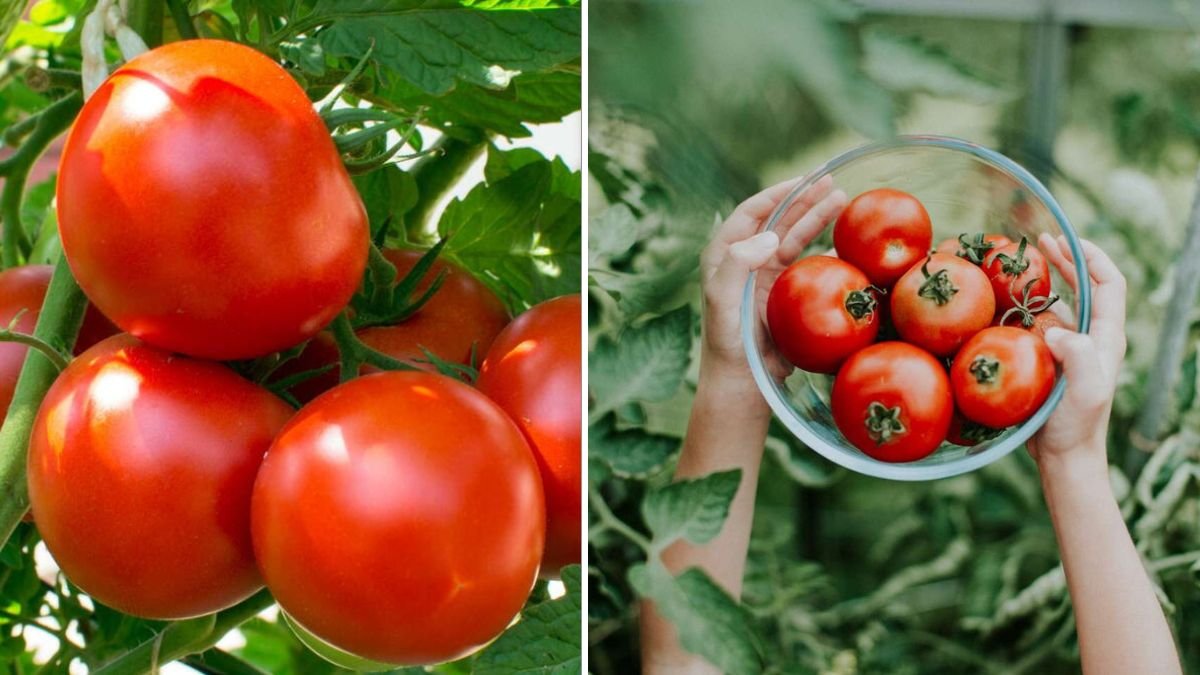
Tomatoes are one of the best vegetables for container gardening. They grow well in tubs because their roots adapt easily to controlled soil environments. Growing tomatoes in tubs allows gardeners to manage water, nutrients, and pests efficiently. This method is perfect for balconies, terraces, and small yards. Tub gardening reduces soil-borne diseases and improves fruit quality. With the right care, tub-grown tomatoes can produce heavy yields. This guide explains how to grow healthy, productive tomatoes using simple tubs at home.
Benefits of Growing Tomatoes in Containers
Container tomatoes are easier to maintain than ground plants. You can move tubs to capture sunlight or protect plants from rain. Soil quality remains consistent and fertile. Pest infestations are easier to control. Watering is precise, reducing waste. Containers also allow year-round growing in suitable climates. This flexibility makes tubs ideal for beginners and urban gardeners.
Choosing the Right Tomato Varieties
Not all tomatoes are suitable for containers. Determinate and bush varieties perform best. Cherry and dwarf tomatoes produce abundant fruit in limited space. Disease-resistant varieties reduce maintenance. Choosing the right variety ensures strong growth and consistent harvests.
Best Tomato Types for Tub Gardening

| Tomato Type | Growth Habit | Container Suitability |
|---|---|---|
| Cherry tomatoes | Compact | Excellent |
| Determinate tomatoes | Bushy | Very good |
| Dwarf varieties | Short | Excellent |
Selecting the Ideal Tub Size
Tomatoes need sufficient root space. A tub with at least fifteen to twenty liters capacity is ideal. Deeper tubs support stronger plants. Ensure tubs have multiple drainage holes. Plastic tubs retain moisture, while fabric tubs improve airflow. Larger tubs usually result in higher yields.
Importance of Proper Drainage
Good drainage prevents root rot and fungal diseases. Drill holes at the bottom of tubs. Add a base layer of gravel or broken clay pieces. Drainage ensures oxygen reaches the roots. Healthy roots support flowering and fruit formation.
Preparing the Perfect Soil Mix
Tomatoes require loose, nutrient-rich soil. Compost improves fertility and structure. Coco peat retains moisture while remaining light. Sand enhances drainage.
Recommended Tomato Soil Mix

| Ingredient | Purpose |
|---|---|
| Garden soil | Base structure |
| Compost | Nutrient supply |
| Coco peat | Moisture retention |
| Sand | Drainage improvement |
Planting Tomato Seedlings
Transplant seedlings with strong stems and healthy leaves. Plant deeply to encourage additional root growth. Firm soil gently around the stem. Water immediately after planting. Proper planting reduces transplant shock and promotes vigorous growth.
Sunlight Requirements for Heavy Fruiting
Tomatoes need six to eight hours of direct sunlight daily. Morning sunlight is most beneficial. Insufficient light results in weak plants and fewer fruits. Rotate tubs if light exposure is uneven. Adequate sunlight improves sweetness and color.
Watering Tomatoes in Tubs
Tomatoes need consistent moisture. Water deeply when the topsoil dries slightly. Avoid overwatering, which causes root problems. Mulching helps retain moisture. Regular watering prevents fruit cracking and blossom end rot.
Fertilizing for Strong Growth
Tomatoes are heavy feeders. Use organic liquid fertilizer every two weeks. Nitrogen supports early growth, while potassium boosts flowering.
Tomato Feeding Schedule
| Growth Stage | Nutrient Focus |
|---|---|
| Early growth | Nitrogen |
| Flowering | Balanced nutrients |
| Fruiting | Potassium |
Supporting Tomato Plants
Most tomatoes need support. Use stakes or cages early. Supporting plants prevents stem breakage. It also improves airflow and sunlight exposure. Strong support increases yield and fruit quality.
Pruning for Better Production
Remove excess side shoots in indeterminate varieties. Pruning improves airflow and energy distribution. Avoid excessive pruning. Balanced pruning leads to healthier plants and better harvests.
Managing Pests Naturally
Aphids and whiteflies are common pests. Neem oil controls infestations effectively. Regular inspection prevents major damage. Container plants are easier to protect.
Preventing Common Tomato Diseases
Avoid wetting leaves frequently. Ensure good airflow. Remove diseased leaves promptly. Healthy soil and spacing reduce disease risk significantly.
Flowering and Fruit Set
Healthy plants produce many flowers. Gentle shaking helps pollination. Balanced nutrients prevent flower drop. Proper care ensures consistent fruit formation.
Improving Fruit Size and Taste
Adequate sunlight and potassium improve flavor. Avoid water stress. Harvest ripe fruits promptly. Healthy plants produce sweeter, larger tomatoes.
Harvesting Tomatoes Correctly
Harvest tomatoes when fully colored. Use clean scissors to avoid damage. Regular harvesting encourages more fruiting. Freshly harvested tomatoes taste best.
Post-Harvest Plant Care
Remove old plants after the season. Refresh soil before replanting. Compost plant remains. Tubs can be reused for future crops.
Yield Expectations from Tub Tomatoes
One tub can produce several kilograms of tomatoes. Yield depends on variety and care. With proper management, container yields rival ground-grown plants.
Conclusion
Container gardening with tubs is an easy and effective way to grow tomatoes at home. With proper soil, sunlight, watering, and feeding, anyone can enjoy a heavy tomato harvest. This method is perfect for small spaces and urban lifestyles.