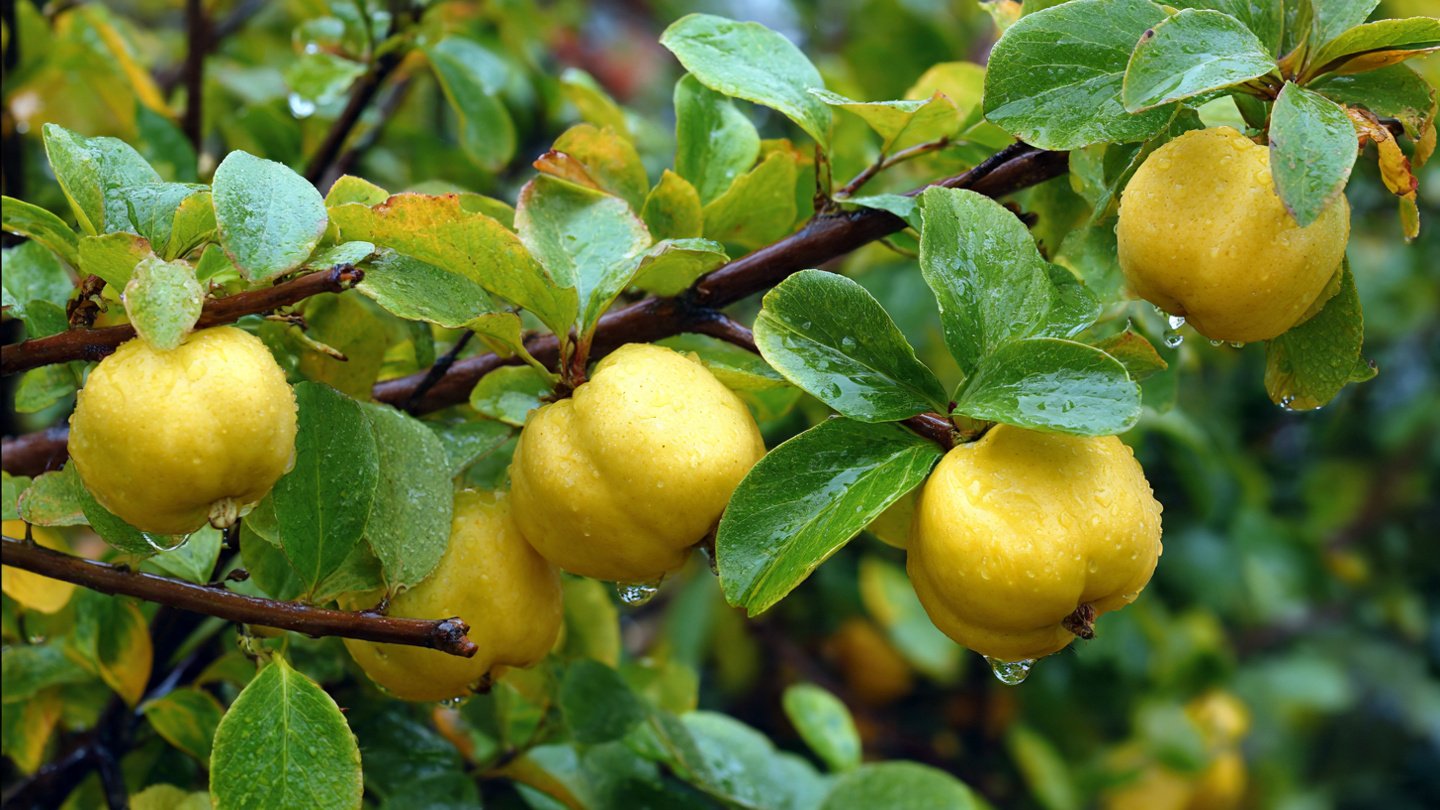
Quince trees, known scientifically as Cydonia oblonga, are cherished for their fragrant fruit and unique flavor. While they may not be as popular as apple or pear trees, they offer a range of culinary and ornamental benefits, making them a great choice for gardeners across Canada. This guide will walk you through everything you need to know about successfully cultivating quince trees in the various climates of Canada.
Understanding Quince Trees
Quince trees are deciduous and belong to the Rosaceae family, which also includes apples and pears. They are hardy in USDA zones 4 to 9, making them suitable for most of Canada, especially in areas with milder winters.
Characteristics
- Fruit: Quince fruit is yellow when ripe and has a hard, aromatic flesh. They are not typically eaten raw due to their astringent taste but are excellent for making jams, jellies, and desserts.
- Foliage: The tree has dark green, ovate leaves that turn yellow in fall. The flowers are pink or white and bloom in spring.
- Size: Quince trees can grow to be about 15-20 feet tall and wide if left unpruned.
Selecting the Right Variety for Canadian Climates
Choosing the right variety is crucial for successful growth. Some varieties that perform well in Canada include:
- Pineapple Quince: Known for its sweet, aromatic fruit. It can withstand colder temperatures.
- Smyrna Quince: Larger fruit known for its culinary uses. Requires a warmer climate for optimal growth.
- Improved Pineapple: A hybrid that offers better disease resistance and can be grown in various conditions.
Site Selection and Preparation

Choosing the Right Location
Quince trees prefer full sun, so select a location that receives at least 6 to 8 hours of direct sunlight each day. The soil should be well-drained and rich in organic matter.
Soil Preparation
- Soil Type: Quince trees thrive in loamy or sandy soils. Avoid heavy clay soils, which retain water and can cause root rot.
- pH Level: Ideal pH levels range from 6.0 to 7.0. Test your soil before planting, and amend it as necessary.
- Amending the Soil: Incorporate compost or well-rotted manure into the soil prior to planting to improve nutrient levels.
Planting Quince Trees
When to Plant
The best time to plant quince trees in Canada is during early spring or late fall when the tree is dormant.
Planting Steps
- Digging the Hole: Dig a hole that is at least twice as wide and the same depth as the root ball.
- Planting: Place the tree in the center of the hole. Ensure that the graft union (swelling on the trunk) is above the soil level.
- Backfilling: Fill the hole with soil, pressing down to eliminate air pockets.
- Watering: Water the tree thoroughly to settle the soil.
Care and Maintenance

Watering
Quince trees need consistent moisture, especially during the growing season. Water the tree deeply once a week, allowing the topsoil to dry out between waterings.
Mulching
Applying mulch around the base of the tree helps retain moisture, suppress weeds, and regulate soil temperature. Use organic materials like wood chips or straw.
Fertilization
Use a balanced, slow-release fertilizer in early spring to provide the necessary nutrients. Avoid over-fertilizing, as this can lead to heavy leaf growth at the expense of fruit development.
Pruning
Pruning is essential for maintaining tree health and encouraging fruiting. Follow these guidelines:
- Timing: Prune in late winter or early spring before new growth starts.
- Technique: Remove dead, damaged, or overcrowded branches to improve air circulation. Shape the tree to an open center to allow sunlight in.
Pest and Disease Management
Quince trees can be susceptible to certain pests and diseases. Here’s how to manage them:
Common Pests

- Codling Moths: Apply insecticidal soap or neem oil during the flowering season.
- Aphids: Blast them off with water or use insecticidal soap.
- Citrus Leaf Miners: Regular monitoring and removal of affected leaves can prevent infestation.
Diseases
- Fire Blight: A bacterial infection that can be fatal. Remove affected branches and apply a bactericide in spring.
- Powdery Mildew: Fungal infection that thrives in humid conditions. Ensure proper air circulation through pruning and apply fungicides if necessary.
Harvesting Quince Fruit
Quince fruit is typically ready for harvest from late September to October. Look for fruit that has turned bright yellow and is slightly soft to the touch.
Handling and Storage
Handle the fruit gently to avoid bruising. Store in a cool, dry place for several weeks or refrigerate if necessary.
Culinary Uses of Quince
Once harvested, quince fruit can be utilized in various culinary dishes. Some popular uses include:
- Jams and Jellies: The high pectin content makes quince excellent for preserves.
- Poached Quince: Cook in sugar syrup for a sweet, aromatic dessert.
- Quince Wine: Ferment quince juice to create a unique beverage.

Challenges to Growing Quince in Canada
While quince trees can thrive in Canadian climates, certain challenges may arise:
- Cold Winters: Provide winter protection using mulch or burlap wrapping for younger trees.
- Short Growing Seasons: Choose early-maturing varieties and ensure you plant in an ideal location for maximum sunlight.
FAQs
1. How long does it take for a quince tree to bear fruit?
Quince trees typically begin to bear fruit in 3 to 5 years after planting.
2. Can quince trees survive Canadian winter temperatures?
Yes, quince trees can survive in USDA zones 4-9, but younger trees may require extra winter protection.
3. Are quince trees self-pollinating?
Most quince varieties are self-pollinating, but planting multiple trees can increase fruit yield.
4. How do I know when my quince is ripe?

Ripe quinces are bright yellow and slightly soft to the touch. They will also emit a fragrant aroma.
5. What is the best way to prune a quince tree?
Prune in late winter to early spring, removing any dead or overcrowded branches while shaping the tree to allow sunlight and air circulation.
6. Are there specific soils that quince trees prefer?
Quince trees prefer well-drained loamy or sandy soils with a pH between 6.0 and 7.0.
7. Can I grow quince trees in pots?
Yes, quince trees can be grown in pots, but ensure the pot is large enough to accommodate root growth and provide proper drainage.
8. Do quince trees require a lot of water?
They need consistent moisture, especially during the growing season, but avoid waterlogged soil.
Conclusion
Growing quince trees in Canadian climates can be a rewarding endeavor for home gardeners. With thoughtful planning, site selection, and ongoing care, you can enjoy the unique fruits of your labor year after year. Not only do quince trees enhance the aesthetic appeal of your garden, but they also provide delicious, aromatic fruit for a variety of culinary creations. Happy gardening!