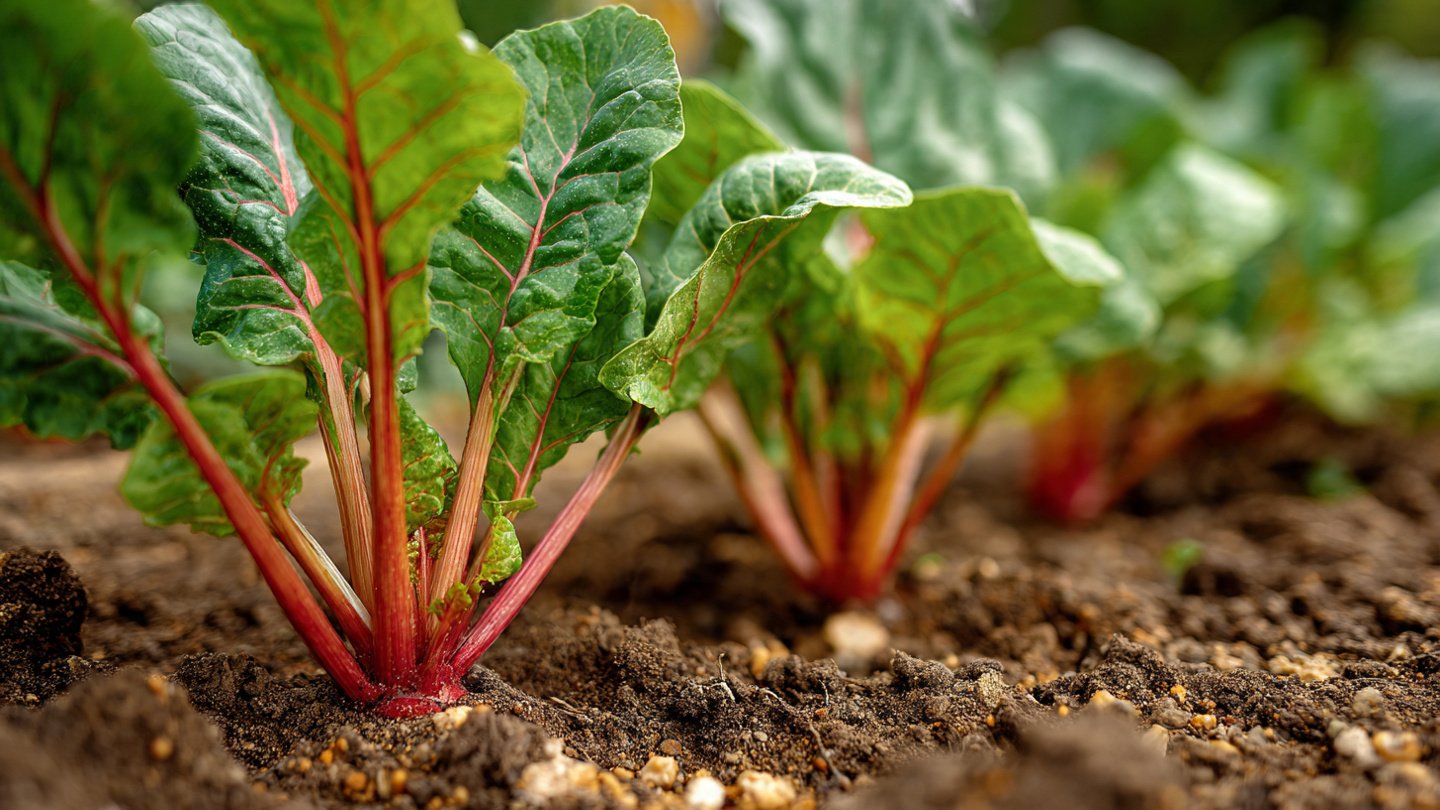
Growing your own vegetables can be a rewarding and fulfilling experience, but many gardeners face challenges that impact their success. One common yet often overlooked factor that can have a profound effect on plant development is the depth at which seeds and transplants are planted. Understanding and avoiding common planting depth mistakes can significantly improve your vegetable crop yield and overall health. This article will delve into the common pitfalls, their consequences, and how to plant your vegetables effectively.
Importance of Planting Depth
Planting depth refers to how deep seeds or transplants are placed in the soil. The depth at which you plant directly affects various factors, such as seed germination, root establishment, moisture access, and nutrient absorption. Each plant species has its own specific depth requirements, and neglecting these can jeopardize your gardening efforts.
Seed Germination
Seeds require the right conditions to germinate, including moisture, warmth, and the correct planting depth. When seeds are planted too deep, they may struggle to reach the surface, leading to delayed growth or complete failure to germinate. Conversely, planting seeds too shallow can expose them to environmental stresses like drying out, which can also inhibit germination.
Root Development
Once seeds germinate, they develop roots to anchor the plant and absorb water and nutrients. Proper planting depth allows roots to grow adequately without encountering barriers such as compacted soil or debris. If roots are forced to grow in a suboptimal environment, the plant may exhibit stunted growth, wilting, or even death.
Moisture and Nutrient Access
Soil moisture and nutrient levels tend to vary by depth. Roots need to reach specific moisture levels to thrive. Planting at the correct depth helps ensure that roots can access moisture and nutrients effectively, which is crucial for healthy plant growth.

Common Planting Depth Mistakes
1. Ignoring Seed Packet Instructions
One of the most prevalent mistakes gardeners make is neglecting the instructions provided on seed packets. Each vegetable type has specific planting depth recommendations. For instance, small seeds like carrots should be planted at a shallower depth (around 1/4 inch), while larger seeds like beans can be planted deeper (up to 2 inches).
Solution: Always read the seed packet thoroughly before planting. Following these instructions not only ensures better germination rates but also promotes stronger growth.
2. Overlooking Soil Type
Different soil types can retain moisture differently, impacting how seeds germinate and grow. In heavy clay soils, for example, seeds may rot if planted too deeply. In contrast, sandy soil may dry out quickly if seeds are too shallow.
Solution: Test your soil type and amend it if necessary. For heavier soils, consider planting slightly shallower to prevent rotting. If you have sandy soil, ensure that seeds are deep enough to access moisture.
3. Forgetting to Thin Seedlings
When planting small seeds, it’s tempting to scatter them rather than plant them individually. However, overcrowded seedlings can lead to competition for light, water, and nutrients. One common mistake is failing to thin seedlings to the recommended spacing, which often requires adjusting the planting depth.

Solution: After seedlings emerge, thin them according to the specific spacing needs of each vegetable. When doing so, make sure to remove weaker plants without disturbing the remaining roots.
4. Failing to Account for Seedling Size
When transplanting seedlings, many gardeners overlook how deep to plant them in relation to their size. Some plants, like tomatoes, can be planted deeper than they were in their original containers, while others, like lettuce, should be planted at the same depth.
Solution: Understand the specific needs of the seedlings you are transplanting. If a plant has a long stem, burying it deeper can promote stronger root growth. However, ensure that delicate plants are not buried too deep.
5. Planting Too Close to the Surface
In an effort to hasten germination, some gardeners plant seeds too close to the soil surface. This can expose them to air, causing them to desiccate and die before they can establish roots.
Solution: Stick to the recommended planting depth. Even if it feels counterintuitive, ensuring seeds are covered properly will lead to better establishment.
6. Neglecting Seasonal Changes

Soil conditions and temperatures can change drastically with the seasons. Planting depth that works well in spring may not be suitable for fall planting. As soil temperatures drop, seeds may require slightly deeper planting to remain insulated.
Solution: Stay aware of seasonal factors when deciding planting depth. Adjust as necessary based on current weather conditions. For example, you may want to plant deeper in late summer to protect seeds during cooler nights.
7. Wrong Tool Usage for Planting Depth
Many gardeners use incorrect tools for planting seeds, leading to inconsistent depth. Using a trowel or shovel may cause uneven planting depth, while tools designed for precise seeding can provide more accuracy.
Solution: Invest in planting tools that allow for accurate placement. Seeders, dibblers, or specially designed planting tools can ensure that seeds are placed at the correct depth.
8. Replicating Techniques from Experienced Gardeners
While it’s beneficial to learn from experienced gardeners, replicating their techniques without understanding why can lead to issues. What works for one species or specific garden conditions may not work for yours.
Solution: While it’s good to seek advice, always tailor techniques to your local conditions, soil type, and specific plants. Research the planting depth unique to your vegetables, considering your garden’s environment.

9. Misjudging Soil Moisture
Another common error is not taking soil moisture into account before planting. Wet or dry soil can affect planting depth significantly. Planting in overly dry soil may lead to difficulty in seed establishment, while overly wet soil might encourage rot.
Solution: Before planting, assess soil moisture levels. Ideally, soil should be moist but not saturated. If the soil is too dry, water it a day or two before planting. If too wet, wait until the moisture levels decrease.
10. Overlooking Post-Planting Conditions
After planting, ongoing conditions such as temperature, rainfall, and sunlight play significant roles in seed survival. If seeds are planted correctly but environmental conditions are ignored, the effort can be wasted.
Solution: Monitor your vegetable garden regularly after planting. Be prepared to cover seeds in extreme weather or adjust watering schedules depending on rainfall.
Correcting Planting Depth Mistakes
Correcting Overly Deep Seeds
If you suspect you’ve planted seeds too deep, you can attempt to remedy the situation by carefully digging around the area and exposing some of the seeds. However, be cautious not to disturb the roots of those that may have already germinated.

Addressing Shallow Seeds
For seeds that are too shallow, you can lightly cover them with a thin layer of soil. Ensure not to smother them completely, as they still need light for germination.
Adjusting for Seedlings
For seedlings that are not planted at the correct depth, it’s best to transplant them. Ensure you handle them with care to avoid damaging the roots, and replant them in the correct depth according to their specific needs.
Conclusion
Understanding the importance of planting depth is crucial for successful vegetable gardening. By recognizing and avoiding common mistakes, you can create a thriving garden that yields abundant vegetables. Awareness of your gardening conditions, along with adherence to specific planting instructions for each vegetable, will lead to improved germination rates and healthier plants.
As with all gardening practices, experience is the best teacher. Pay attention to your garden and adapt your methods as needed. By understanding the nuances of plant depth, you’ll be well on your way to enjoying a bountiful harvest. Happy gardening!