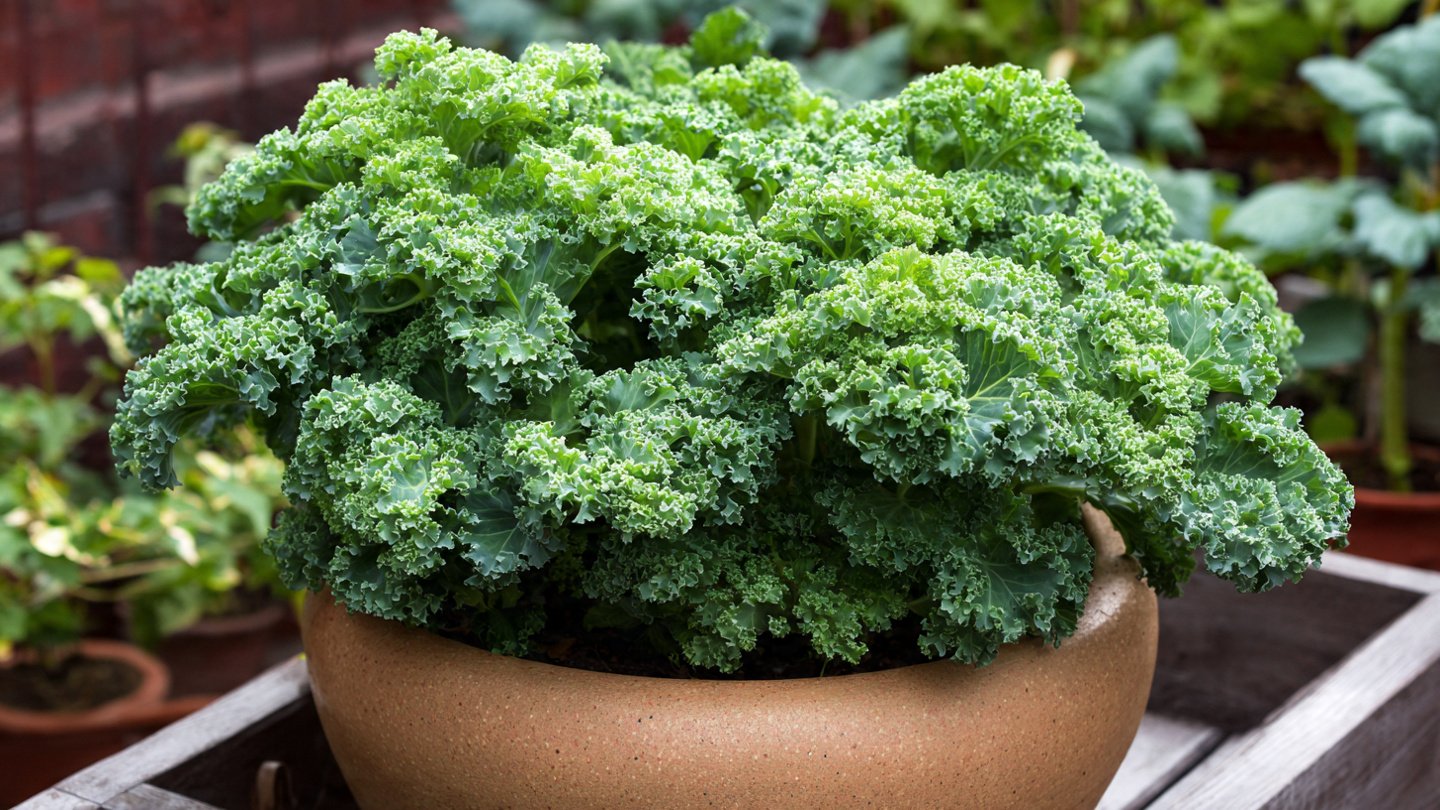
Curly kale, known for its vibrant green leaves and distinctive frilled edges, is a popular choice among health-conscious individuals due to its rich nutrient profile. Whether you’re an urban dweller with limited space or just looking to add some greenery to your patio, growing curly kale in a small potted garden can be a rewarding endeavor. This article will explore the benefits of growing kale in containers, the necessary conditions for successful growth, and practical tips to ensure a bountiful harvest.
The Benefits of Growing Curly Kale in Containers
1. Space Efficiency
One of the most significant advantages of container gardening is that it requires minimal space. Whether you have a tiny balcony, a small patio, or even a windowsill, planting curly kale in pots allows you to utilize available space effectively. A standard 10-12 inch pot can yield a surprising amount of kale, making it ideal for urban gardening.
2. Control Over Soil Quality
When growing plants in the ground, soil quality can vary widely based on location and previous usage. However, using pots allows you to control the type and quality of soil in which your kale grows. This is crucial, as curly kale thrives in rich, well-draining soil filled with organic matter.
3. Mobility
Potted plants offer the freedom to easily relocate them. Should you notice your kale isn’t receiving enough sunlight, or if the weather changes, you can quickly move your pots to a more suitable location. This adaptability can be vital for ensuring optimal growth conditions throughout the seasons.
4. Reduced Pest Problems

Growing kale in containers can help mitigate some pest issues commonly faced by ground-grown plants. Elevated from direct soil contact, your kale may encounter fewer slugs and soil-borne pests. While you will still need to monitor your plants, containers often provide an inhospitable environment for certain pests.
5. Aesthetic Appeal
Beyond the practical benefits, potted curly kale can add a beautiful touch to your outdoor or indoor spaces. Its textured leaves create an attractive display, and when combined with other plants, it enhances visual appeal and biodiversity.
Ideal Growing Conditions for Curly Kale
1. Sunlight Requirements
Curly kale is best suited to full sunlight, ideally receiving 6 to 8 hours a day. When selecting a location for your pots, look for a spot that maximizes exposure to sunlight, such as a south-facing balcony or patio. During particularly hot summer months, partial shade may be beneficial to prevent wilting and sunburn.
2. Soil Type
The type of soil used is critical for growing healthy kale. A mixture of potting soil, compost, and perlite can provide the necessary nutrients and drainage. Aim for a pH level between 6.0 and 7.5, as curly kale prefers slightly acidic to neutral soils.
3. Watering Needs
Kale loves moisture, but it’s essential to strike a balance. Overwatering can lead to root rot, while underwatering can cause stress to the plant. It’s generally best to water when the top inch of soil feels dry to the touch. Using pots with drainage holes allows excess water to escape, promoting healthy root development.

4. Temperature Preferences
Kale is a cool-weather crop that thrives in temperatures between 60-70°F (15-21°C). While it can tolerate slight frost, extreme heat can cause bitterness in the leaves. In very warm climates, consider planting kale in the fall or early spring, or provide some shade during the hottest parts of the day in summer.
Planting Curly Kale in Pots
What You’ll Need
- Containers: Choose pots with a diameter of at least 10-12 inches. Ensure they have drainage holes to avoid waterlogging.
- Potting Mix: Use a high-quality mix that provides good drainage and is full of organic matter.
- Seeds or Seedlings: You can either start from seeds or purchase already established seedlings from a nursery.
- Fertilizer: Opt for a balanced organic fertilizer to support growth.
Steps to Plant
-
Select Your Pots: Choose pots that are deep enough for the kale roots. A standard size will typically suffice for one or two plants.

-
Prepare the Soil: Fill the pots with your potting mix, leaving around an inch of space at the top. Mix in some slow-release fertilizer to enrich the soil.
-
Planting Seeds or Seedlings: For seeds, plant them about 1/4 to 1/2 inch deep, and space them 8-12 inches apart. If using seedlings, plant them at the same depth as they were in their nursery container.
-
Water Gently: After planting, give your pots a gentle watering to settle the soil.
-
Mulch: Adding a layer of mulch can help retain moisture and reduce weed growth.
Maintenance Tips for Healthy Curly Kale
1. Fertilizing
Kale is a nutrient-hungry plant. If you’re using a slow-release fertilizer at planting, consider adding a liquid organic fertilizer every few weeks during the growing season. Compost tea, fish emulsion, or seaweed extract are excellent choices.
2. Pest Control

While container kale generally encounters fewer pests, it can still attract aphids, spider mites, and cabbage worms. Regularly inspect your plants, and if infestations occur, use organic pest control methods, such as insecticidal soap or neem oil.
3. Pruning
Pruning is essential for encouraging bushier growth. Pinch off lower leaves as the kale matures, allowing the plant to direct its energy to the upper leaves. It also helps improve air circulation, which can reduce disease risk.
4. Harvesting
You can begin to harvest curly kale about 55 to 75 days after planting. Begin by picking the older, outer leaves, allowing the inner leaves to continue growing. Regular harvesting promotes continuous growth and prevents the plant from bolting, which typically happens in the summer heat.
Challenges in Growing Curly Kale
1. Limited Space
While you can successfully grow kale in pots, limited space may restrict the number of plants you can cultivate. Consider staggered planting or rotational cropping to maximize yields.
2. Watering Needs
Container plants often dry out faster than garden plants. Monitoring moisture levels is crucial, especially during hot spells. Regular checks will help prevent stress on the plants.

3. Environmental Stress
Extreme temperatures can affect kale growth. If you live in a region with harsh summer heat, be prepared to provide shade during peak temperatures. Conversely, in very cold climates, consider bringing pots indoors or using protective covers during frost.
Conclusion
Growing curly kale in a small potted garden is not only feasible but can also be incredibly rewarding. With careful attention to growing conditions, regular maintenance, and timely harvesting, you can enjoy a thriving crop right on your balcony or patio. The taste of freshly harvested kale surpasses anything you might find in a grocery store, making the effort well worth it.
Moreover, container gardening offers a unique opportunity to cultivate your green thumb while enjoying the many benefits of fresh, home-grown produce. As you nurture your potted kale, you’ll also have the satisfaction of knowing you’re contributing to a healthier lifestyle and fostering a deeper connection with nature. Whether you’re a novice gardener or an experienced green thumb, curly kale is an excellent choice to make your gardening journey vibrant and delicious.