Gardening enthusiasts and urban dwellers alike are increasingly turning to home gardening as a means to enjoy fresh produce, reduce grocery costs, and reconnect with nature. Among the many vegetables that can be grown at home, bok choy, particularly the compact variety, stands out for its rapid growth and ease of cultivation. This article delves into how you can successfully grow bok choy compact variety in your home garden, covering various aspects from planting to harvesting.
Understanding Bok Choy
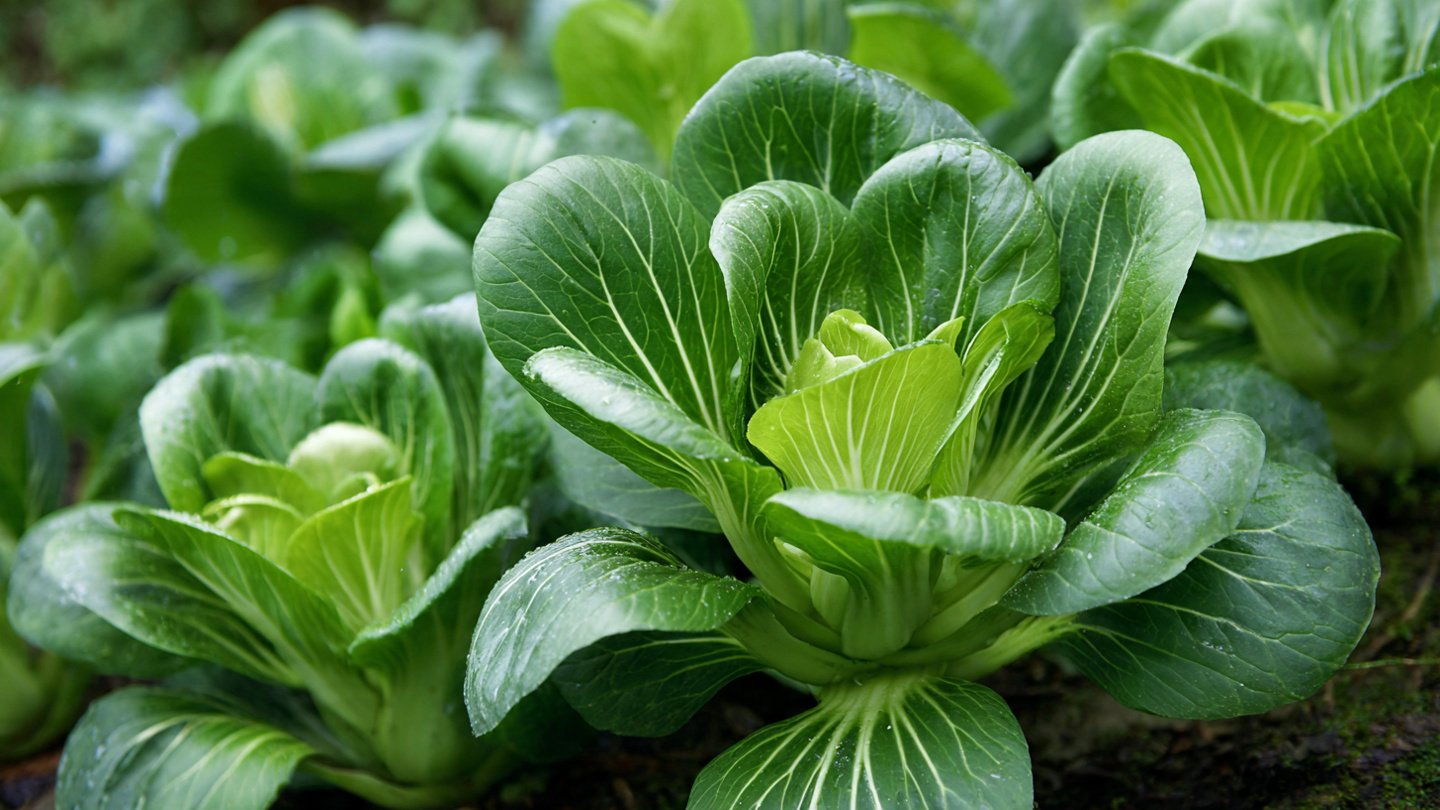
Bok choy, also known as Chinese cabbage, belongs to the Brassica family, which includes broccoli, kale, and cabbage. The compact variety, often referred to as “baby bok choy,” is a smaller version that grows to about 6-12 inches tall. Its tender, leafy greens have a milder taste compared to the mature form, making it a popular choice in stir-fries, soups, and salads.
Nutritional Benefits
Before diving into cultivation tips, it’s essential to recognize the nutritional benefits of bok choy. High in vitamins A, C, and K, as well as minerals like calcium and iron, bok choy is considered a superfood. Its low-calorie count makes it an excellent choice for those looking to maintain a healthy diet.
Choosing the Right Environment
Climate Conditions
Bok choy thrives in cooler temperatures, ideally between 55°F to 75°F (13°C to 24°C). It is a cool-season crop, making it suitable for spring and fall planting in many regions. In warmer climates, it can be planted in early spring or later in the fall to avoid the summer heat, which can lead to bolting (flowering and seed production) and a bitter taste.

Sunlight Requirements
Bok choy prefers full sunlight, requiring at least 6 hours of direct sunlight daily. However, it can tolerate partial shade, particularly in warmer weather, which can help prevent stress on the plants.
Soil Preparation
For optimal growth, bok choy flourishes in well-drained, fertile soil rich in organic matter. The ideal soil pH level ranges from 6.0 to 7.5. You can amend your garden soil by adding compost or well-rotted manure, ensuring it has adequate drainage and nutrients. Perform a soil test to assess nutrient levels and pH, and amend accordingly.
Starting Your Seeds
Direct Sowing vs. Transplants
You can either direct sow seeds in the garden or start them indoors for later transplanting. For direct sowing, plant the seeds about 1/2 inch deep and spaced approximately 2-4 inches apart in rows that are 12-18 inches apart. For transplanting, start seeds indoors 4-6 weeks before the last frost date and transplant seedlings outdoors once they have 2-3 true leaves.
Timing
If starting seeds indoors, ensure you allocate time to harden off the seedlings before transplanting them outdoors. This involves gradually introducing the seedlings to outdoor conditions over a week or so. If sowing directly in the garden, aim to plant your seeds early in the morning or late in the afternoon to minimize shock from temperature changes.

Watering and Fertilization
Watering Regime
Bok choy requires consistent moisture to grow healthy, tender leaves. Aim for about 1 inch of water per week, which may vary depending on rainfall. It’s crucial to avoid waterlogging, as excessive moisture can lead to root rot. A balanced approach is to water deeply and less frequently rather than shallow and often.
Fertilization
Utilizing a balanced fertilizer, particularly one high in nitrogen, supports leafy growth. Apply fertilizer according to package instructions about 2-3 weeks after planting. Side-dressing with compost or organic fertilizers can also boost nutrition during the growth cycle.
Managing Pests and Diseases
Despite being relatively hardy, bok choy can face challenges from pests and diseases. Common pests include aphids, cabbage worms, and flea beetles. Here are some strategies to manage these issues:
Integrated Pest Management (IPM)
- Physical Barriers: Using row covers can prevent pests from reaching young plants.
- Companion Planting: Consider planting herbs like mint or flowers like marigolds nearby to deter pests.
- Hand-Picking: Regularly inspect your plants and remove any visible pests.
- Natural Predators: Encouraging beneficial insects such as ladybugs can help control aphid populations.

Disease Prevention
Certain diseases such as downy mildew or root rot can affect bok choy. Good cultural practices, such as rotating crops each year and avoiding overhead watering, can minimize disease risks. Ensure good air circulation around the plants to reduce humidity levels that promote fungal diseases.
Harvesting Bok Choy
Timing
One of the most appealing aspects of growing bok choy compact variety is the speed at which it matures. Typically, you can expect to harvest in about 30-60 days after planting, depending on the specific variety and growing conditions. Harvesting can occur when the plants are about 6-12 inches tall.
How to Harvest
When you’re ready to harvest, you can either cut the whole plant at the base with a sharp knife or snip off the outer leaves for a gradual harvest, allowing the plant to continue growing. Make sure to harvest in the morning for the best flavor and freshness.

Post-Harvest Care
After harvesting, store bok choy in the refrigerator, where it can remain fresh for up to a week. To retain crispness, place it in a perforated bag to allow for airflow.
Preserving Bok Choy
If you have an abundance, consider blanching and freezing bok choy. Blanching helps retain color and flavor, making it ideal for future meals. Alternatively, you can incorporate it into stir-fries, soups, and salads right away.
Challenges and Solutions
While growing bok choy can be a rewarding endeavor, potential challenges like fluctuating weather conditions, poor soil health, and pest infestations can emerge. Here’s how to tackle common issues:
-
Temperature Extremes: Use shade cloths in the summer to shield plants from excessive heat. In colder climates, consider cold frames or row covers to protect young plants from frost.
-
Poor Growth: If your plants appear stunted, it may be a sign of nutrient deficiency or crowded conditions. Thin seedlings if they are too close together, and amend soil with compost as needed.

-
Flowering: If plants flower prematurely (bolting), this signals that temperatures are too high or they may be stressed. Select heat-resistant varieties if you live in warmer climates.
Conclusion
Growing compact bok choy in your home garden is not only feasible but also rewarding. With proper care, attention to growing conditions, and effective management of pests and diseases, you can enjoy a continuous supply of fresh bok choy right from your backyard. By understanding its specific requirements—from sowing seeds to harvesting—you can cultivate this nutritious green well into the cooler months.
Whether you’re a seasoned gardener or a novice, incorporating bok choy into your home garden is a decision you won’t regret. By dedicating time to nurturing these compact plants, you’re sure to enrich your culinary experiences while promoting a sustainable lifestyle right at home. Happy gardening!