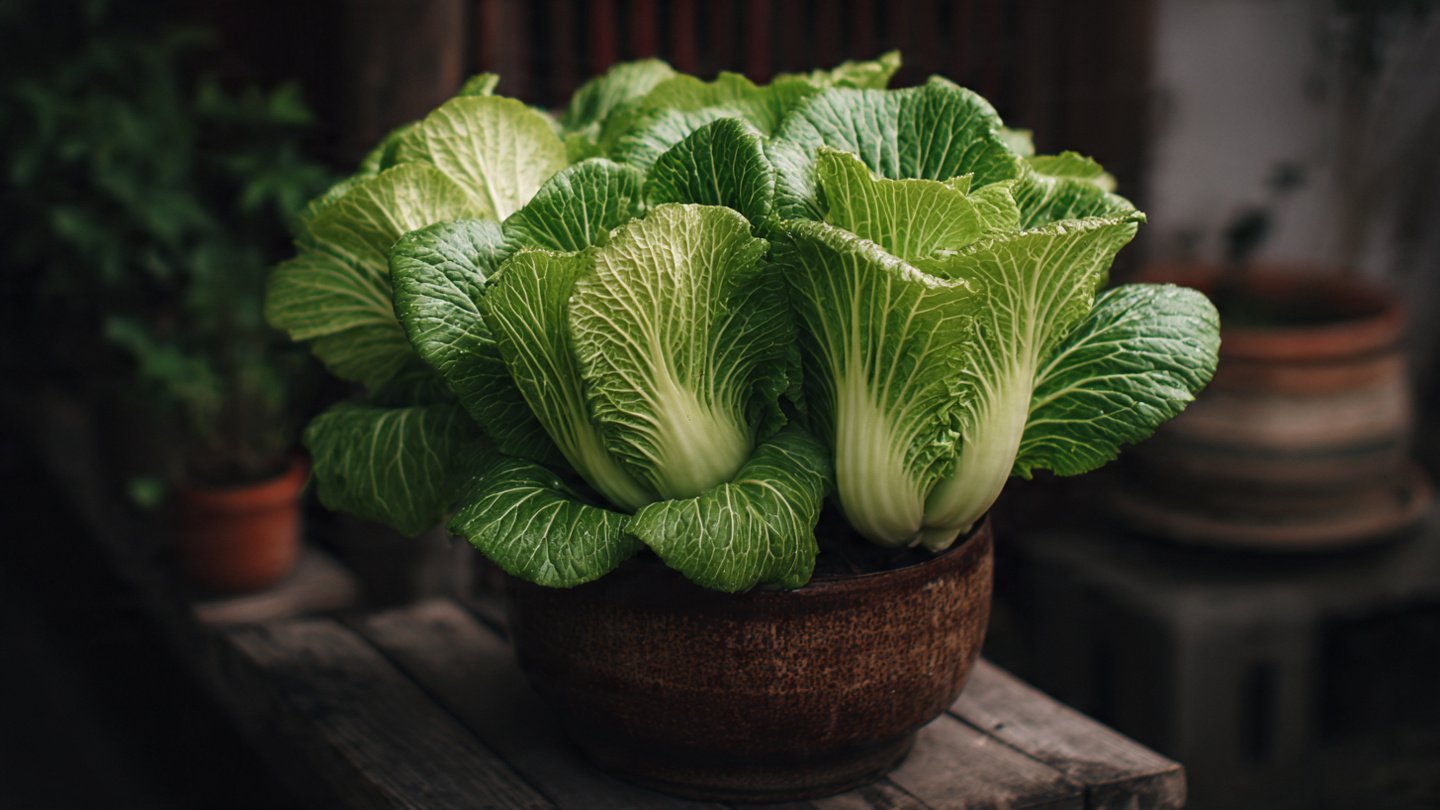
Growing Chinese cabbage in a pot is an excellent way to enjoy fresh, healthy greens at home, even if space is limited. This versatile vegetable, also known as Napa cabbage or Bok Choy, is not only nutritious but also adds a delightful crunch and flavor to various dishes. In this article, we will explore the best methods to master the art of growing Chinese cabbage in containers, discussing everything from selecting the right pot to caring for your plants.
Understanding Chinese Cabbage
Chinese cabbage belongs to the Brassica family, which also includes broccoli, kale, and cauliflower. It is characterized by its elongated, tightly packed leaves and mild flavor, making it a staple in Asian cuisine. There are two main types of Chinese cabbage: Napa and Bok Choy. Napa cabbage has a slightly sweeter taste and is typically used in salads and stir-fries, while Bok Choy is known for its crisp stalks.
Nutritional Benefits
Chinese cabbage is low in calories yet high in essential nutrients. It is rich in vitamins A, C, and K, as well as minerals like calcium and iron. Additionally, its high fiber content aids in digestion and contributes to overall gut health. Growing this nutritious vegetable at home allows you to enjoy its fresh taste and health benefits straight from your garden.
Selecting the Right Pot
To successfully grow Chinese cabbage in a pot, the first step is selecting the right container. Here are some factors to consider:
Size
Chinese cabbage has a relatively shallow root system, so you don’t need an excessively large pot. A container with a volume of at least 3 to 5 gallons is ideal for one or two plants. However, if you plan to grow multiple plants, consider using a larger container.

Material
Pots come in various materials including plastic, ceramic, and terracotta. Each type has pros and cons:
- Plastic: Lightweight, retains moisture well, and often more affordable.
- Ceramic: Aesthetic but can be heavy and may require more frequent watering.
- Terracotta: Porous, good for air circulation, but dries out faster.
Drainage
Ensure your pot has drainage holes at the bottom to prevent waterlogging, which can lead to root rot. If your chosen pot doesn’t have drainage, consider drilling holes or using a pot liner.
Choosing the Right Soil
The soil you use plays a crucial role in the growth of Chinese cabbage. Here’s what to look for:
Type of Soil
A quality potting mix designed for vegetable gardening is essential. Look for a mix that includes organic matter, such as compost, to improve soil structure and fertility. Avoid using garden soil, as it might be too heavy for container growing.
pH Level
Chinese cabbage prefers a slightly acidic to neutral pH ranging from 6.0 to 7.0. You can test your soil’s pH using a home testing kit and adjust it if necessary.

Planting Chinese Cabbage
Once you have your pot and soil ready, it’s time to plant your Chinese cabbage. You can choose to start from seeds or seedlings.
Starting from Seeds
- When to Plant: Chinese cabbage grows best in cooler weather, so plant your seeds in spring or fall. For a fall harvest, start seeds in late summer.
- Sowing Seeds: Plant seeds about ½ inch deep, spacing them 6 to 12 inches apart, depending on the variety.
- Watering: Gently water the seeds after planting, keeping the soil consistently moist but not soggy.
Using Seedlings
If you prefer a head start, buy healthy seedlings from a local nursery. Transplant them into your pot, taking care not to disturb their roots.
- Transplanting: Ensure the soil is moist before planting. Make holes in the soil big enough to accommodate the root ball and plant the seedlings at the same depth they were growing in their original containers.
- Spacing: Maintain proper spacing between each seedling to allow for growth.
Caring for Your Chinese Cabbage
Proper care ensures healthy growth and a bountiful harvest. Here’s what you need to do:
Watering
Keep the soil consistently moist, especially during dry spells. Water your Chinese cabbage when the top inch of soil feels dry. During particularly hot weather, you may need to water daily. Ensure excess water drains out to prevent root rot.
Fertilizing
Chinese cabbage benefits from regular feeding. Use a balanced, water-soluble fertilizer every 4-6 weeks. Consider using organic options, like fish emulsion or compost tea, for a nutrient boost. Follow the manufacturer’s instructions for dilution and application rates.

Sunlight
Position your pot in an area that receives full sun for at least 6 hours a day. However, Chinese cabbage can also tolerate partial shade, especially in extremely hot climates.
Pest Management
Common pests that affect Chinese cabbage include aphids, cabbage worms, and slugs. Monitor your plants regularly for signs of infestation.
- Natural Remedies: Neem oil spray, insecticidal soap, or diatomaceous earth can help control pests. Encourage beneficial insects like ladybugs to deter aphids.
- Handpicking: For larger pests, handpicking is effective. Just be sure to wear gloves!
Disease Prevention
Chinese cabbage can be susceptible to diseases like downy mildew and black rot. To prevent these issues:
- Crop Rotation: Avoid planting cabbage family crops in the same container year after year.
- Spacing: Ensure proper spacing to promote air circulation and prevent fungal diseases.
- Watering: Water at the base of the plant to keep foliage dry.
Harvesting Chinese Cabbage
Knowing when to harvest is crucial for the best flavor and texture.
Signs of Maturity
Chinese cabbage typically matures within 60 to 90 days, depending on the variety. Look for the following signs:

- Head Formation: The cabbage heads will feel firm and solid.
- Leaf Color: Leaves should be bright green with a vibrant, healthy appearance.
How to Harvest
Use a sharp knife or garden shears to cut the head at the base. For Bok Choy, you can also harvest individual outer leaves, allowing the inner leaves to continue growing.
Troubleshooting Common Issues
Even with the best care, you may encounter some challenges:
Yellowing Leaves
If the leaves turn yellow, it may be a sign of nutrient deficiency or overwatering. Check your watering schedule and consider adding fertilizer.
Bolting
This occurs when the plant goes to seed prematurely, usually due to stress from heat or inconsistent watering. To prevent bolting, ensure even moisture levels and consider shade in hot weather.
Poor Growth
If your plants are not growing well, recheck soil conditions, sunlight exposure, and fertilization. Adjust as necessary to promote healthy growth.

Conclusion
Growing Chinese cabbage in a pot is not only feasible but also incredibly rewarding. By selecting the right container, soil, and care regimen, you can enjoy this nutritious vegetable fresh from your home garden. Whether you choose to grow Napa cabbage for salads or Bok Choy for stir-fries, mastering the best methods will ensure a plentiful harvest. With a bit of patience and attention, you’ll be serving up delicious dishes featuring your homegrown Chinese cabbage in no time! So gather your materials, and get growing!