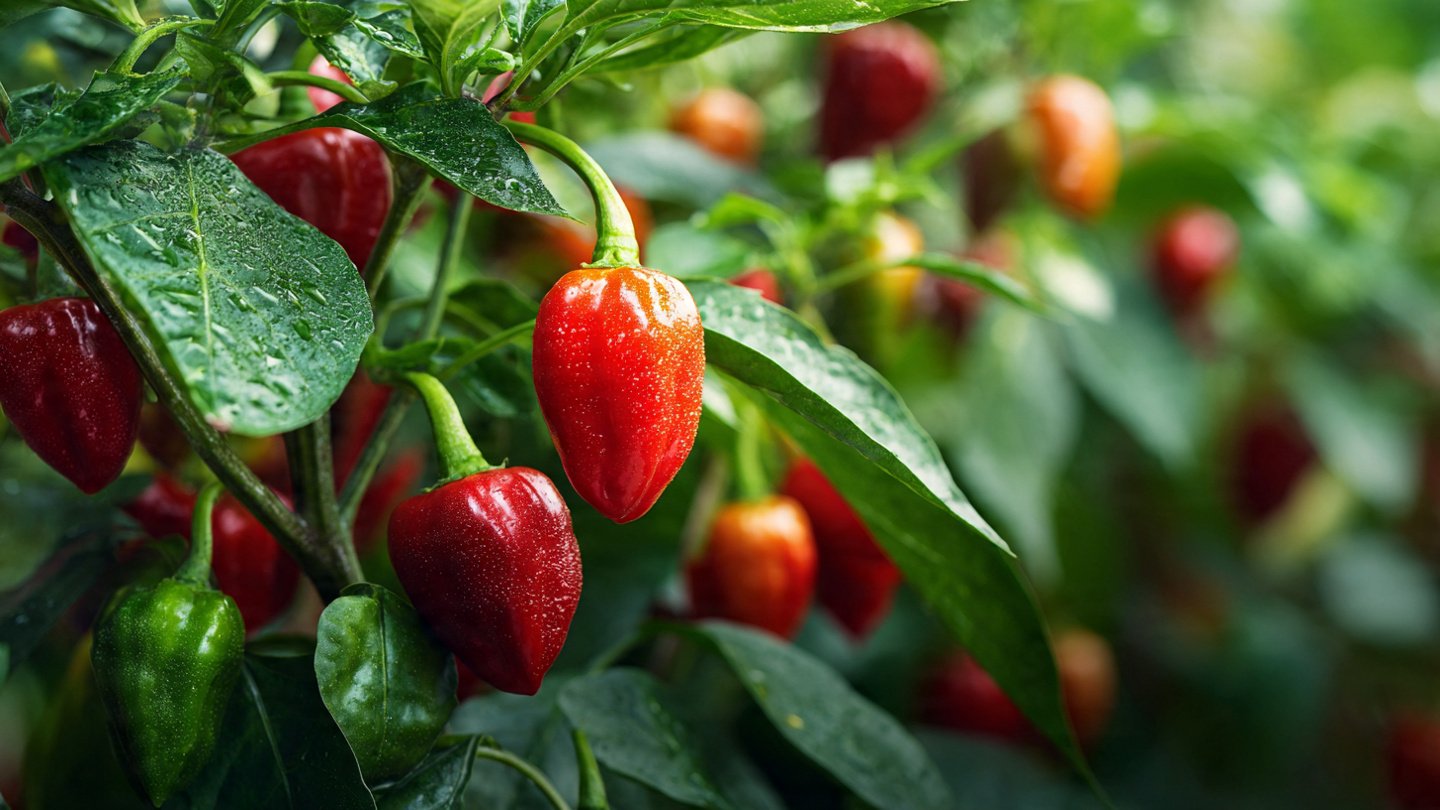
Imagine pulling a fresh, steaming pizza out of your oven, topped with vibrant, juicy peppers that you grew in your own garden. The flavor, texture, and satisfaction of using your own produce elevate any pizza to a whole new level. Growing your own peppers not only enhances your culinary experience but also offers health benefits and a sense of accomplishment.
Choosing the Right Pepper Varieties
There are many varieties of peppers suitable for pizza toppings, ranging from sweet bell peppers to spicy jalapeños. Here are some types you might consider:
- Bell Peppers: These are sweet and mild, coming in a variety of colors including green, red, yellow, and orange.
- Jalapeños: These add a moderate kick and are often used in salsas as well as pizza toppings.
- Poblano Peppers: Known for their rich flavor and mild heat, poblano peppers are perfect for roasting and adding depth to dishes.
- Banana Peppers: These sweet and tangy peppers are ideal for those who want a bit of flavor without too much heat.
- Cherry Peppers: These small, round peppers can be sweet or hot and make a fun addition to pizza.
Growing Conditions
Peppers thrive in warm, sunny conditions. Here’s what you need to successfully grow your own peppers:
- Sunlight: Peppers require at least 6-8 hours of direct sunlight each day.
- Soil: Well-drained, nutrient-rich soil is essential. Consider adding compost to improve soil quality.
- Temperature: Pepper plants prefer temperatures between 70°F to 85°F. Too cold can stunt growth.
- Watering: Regular watering is crucial, especially in dry conditions, but avoid waterlogging the plants.
Planting Your Peppers
Once you’ve chosen the right pepper varieties and prepared the growing conditions, it’s time to plant:
- Start Indoors: If you live in a cooler climate, start seeds indoors 8-10 weeks before the last frost date.
- Transplant: Once the danger of frost has passed and seedlings are about 3-4 inches tall, transplant them to your garden or pots.
- Spacing: Space each pepper plant 18-24 inches apart to ensure proper air circulation and growth.
Care and Maintenance
To ensure a bountiful harvest, you’ll need to tend to your pepper plants regularly:
- Fertilization: Use a balanced fertilizer or one high in potassium to promote fruit development.
- Pest Control: Watch for common pests such as aphids and spider mites. Use organic methods to control these pests.
- Pruning: Trim back any dead or yellowing leaves to promote healthy growth.
Harvesting Your Peppers
Peppers can be harvested once they are firm and have reached their full size. Here are a few tips:
- For bell peppers, harvest when they are green or allow them to ripen fully to red, yellow, or orange for a sweeter taste.
- Jalapeños can be picked when they are firm and green, or left to ripen to red if you prefer a sweeter flavor.
- Use scissors or garden shears to cut the peppers off the stems to avoid damaging the plants.
Benefits of Growing Your Own Peppers
Growing your own peppers has numerous benefits:
- Freshness: Freshly picked peppers taste better and are more nutritious.
- Cost-Effective: Growing your own produce can save money in the long run.
- Health Benefits: Homegrown veggies are free from pesticides and chemicals often found in store-bought produce.
- Customization: You can choose the varieties that suit your taste and growing preferences.
- Satisfaction: There is immense satisfaction in growing your own food and being able to use it in your meals.
Making the Perfect Pizza with Your Homegrown Peppers
Once you’ve harvested your peppers, it’s time to use them in your culinary creations. Here’s a simple recipe to make a delicious homemade pizza:
Ingredients
- Pizza dough (store-bought or homemade)
- Your choice of tomato sauce
- Shredded mozzarella cheese
- Your harvested peppers, sliced
- Any additional toppings you love (pepperoni, mushrooms, onions, etc.)
- Olive oil
Instructions
- Preheat your oven to 475°F (245°C).
- Roll out the pizza dough on a floured surface to your desired thickness.
- Transfer the rolled dough to a baking sheet or pizza stone.
- Spread a layer of tomato sauce over the dough, leaving a small border around the edges.
- Sprinkle a generous amount of mozzarella cheese on the sauce.
- Arrange your sliced peppers and any additional toppings over the cheese.
- Drizzle a little olive oil on top.
- Bake for 12-15 minutes until the crust is golden and the cheese is bubbly.
- Let cool for a few minutes, slice, and enjoy!
Conclusion
Growing your own peppers is not only rewarding but also enhances your culinary experiences, especially when it comes to making pizza at home. With a bit of planning, care, and patience, you can cultivate a variety of peppers that will elevate your dishes in taste and freshness. Whether you’re a seasoned gardener or a novice, the joy of harvesting your own peppers will make your pizza nights even more special.
FAQs
1. How long does it take to grow peppers from seed?
Generally, it takes about 60 to 90 days from seed to harvest, depending on the variety of pepper.
2. Can I grow peppers in pots?
Yes, peppers grow well in pots as long as they have enough sunlight and proper drainage.
3. What should I do if my pepper plants are not producing fruit?
Ensure they are receiving adequate sunlight, water, and nutrients. Also, check if the temperature is appropriate for pepper growth.
4. How do I store my harvested peppers?
Fresh peppers can be stored in the refrigerator for about a week. They can also be frozen for longer preservation—just wash, slice, and freeze them in a single layer before transferring to a freezer bag.
5. Are there any companion plants for peppers?
Yes, planting peppers alongside tomatoes, basil, or onions can help deter pests and promote healthy growth.