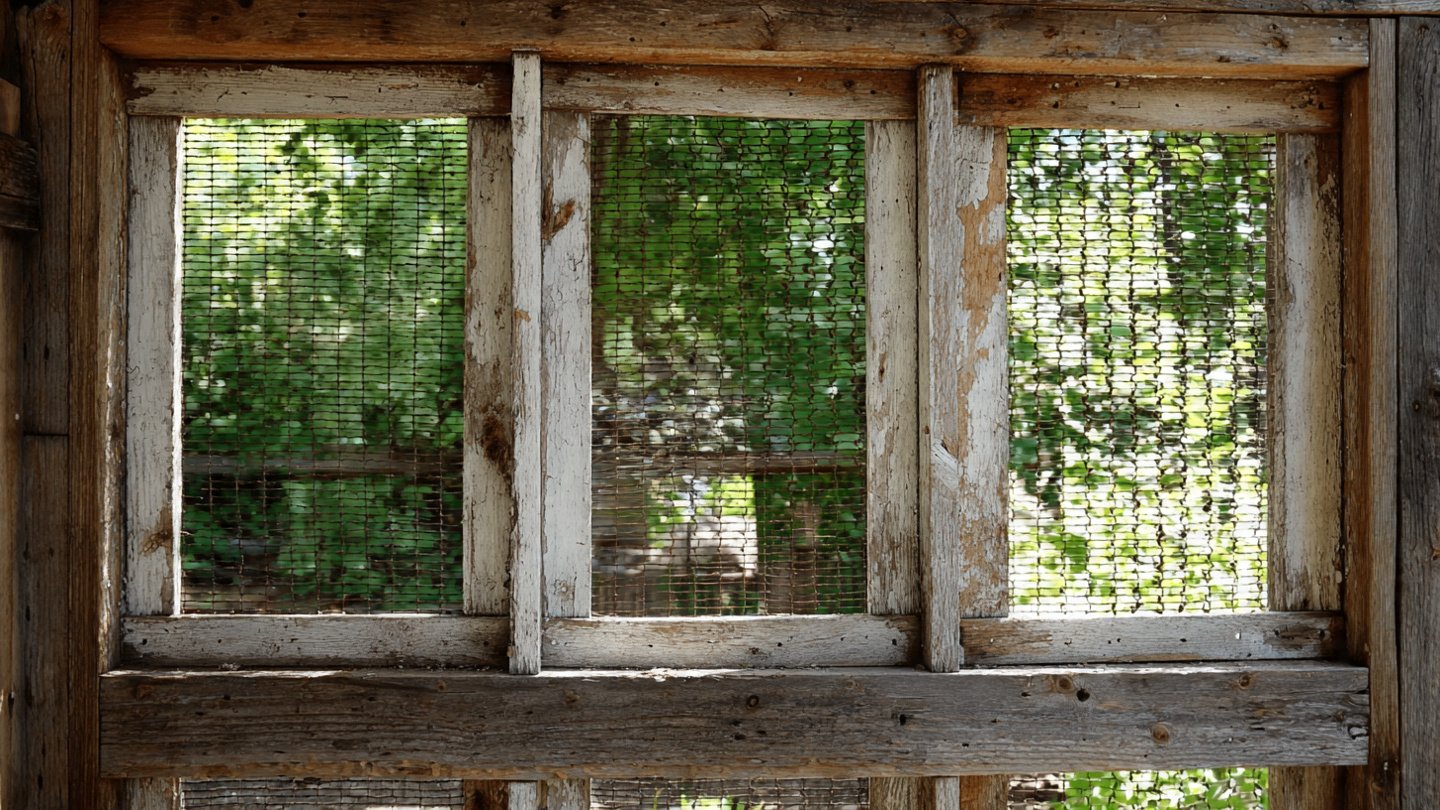
Garden composting is an essential practice for sustainable gardening. It reduces waste, recycles nutrients, and improves soil quality. However, sifting compost can often be a daunting and messy task, leaving many gardeners searching for efficient solutions. Enter the old window screen—an unsuspecting hero that can significantly enhance your compost sifting game. This article explores how repurposing window screens can streamline the sifting process and provides insights into implementing this eco-friendly method.
The Lifespan of Window Screens: Beyond Their Primary Use
Window screens are typically used for keeping insects out while allowing fresh air to circulate in your home. Over time, these screens can become torn, damaged, or unattractive, leading many to discard them. However, instead of throwing them away, consider their potential in your gardening routine. Old window screens can be a valuable resource for compost enthusiasts, offering a unique solution for sifting through decomposed materials.
Benefits of Using Old Window Screens for Compost Sifting
Repurposing old window screens can yield several benefits when it comes to sifting compost:
- Improved Airflow: The mesh design of window screens allows for superior airflow, facilitating the composting process by promoting the growth of aerobic microorganisms.
- Consistency: Using window screens helps create a more uniform compost product by allowing smaller particles to fall through while retaining larger chunks, which can be returned to the compost pile for further decomposition.
- Cost-Effective: Sifting screens can be purchased commercially, but repurposing an old window screen is a budget-friendly alternative that minimizes waste.
- Ease of Use: Window screens are lightweight and flexible, making them easy to handle and move around your garden.

How to Use Old Window Screens for Compost Sifting
Incorporating old window screens into your compost sifting process is straightforward:
Step 1: Gather Your Materials
Collect old window screens from your home. Ensure they are clean and free from any chemical residues or contaminants. You may also want to have a container or tarp ready to catch the sifted compost.
Step 2: Set Up Your Sifting Station
Designate a workspace where you can comfortably sift your compost without creating a mess. Position the window screen over your container or tarp so that it is secure but easy to knock off waste later.
Step 3: Begin Sifting

Grab a handful of compost and place it on the window screen. Shake the screen gently, allowing finer compost materials to fall through. Larger materials will remain on top, which can be set aside for further decomposition. Repeat this process until you have sifted the entire amount you wish to refine.
Step 4: Evaluate and Reuse
Take the finer compost and use it in your garden as a nutrient-rich amendment. The remaining larger particles can be returned to the compost pile for continued breakdown. Repeating this process helps maintain a consistent quality of compost.
Alternative Uses for Old Window Screens
While window screens excel at sifting compost, their applications extend beyond gardening. Here are some alternative uses:
- Seed Starting: Use window screens as a base for starting seeds by placing them in a tray; they allow excess water to drain, preventing over-saturation.
- Garden Pest Barrier: Old screens can be repurposed to create barriers for young plants, protecting them from insects and debris.
- Crafting: Get creative! Use window screens to create unique wall art or other DIY projects within your home or garden.

Challenges to Consider
Although utilizing old window screens presents many benefits, some challenges might arise:
- Durability: Depending on the age and condition of the window screen, some may not withstand heavy use. Inspect your screens for wear and be prepared to replace them as necessary.
- Size Limitations: Large amounts of compost might require multiple screens or a larger sifting apparatus.
- Contamination Concerns: If the screens were previously exposed to chemicals, they may not be suitable for gardening. Always assess the materials used in your screen’s manufacture.
Conclusion
Transforming your compost sifting routine with old window screens is both an eco-friendly and economical choice. Whether you’re an avid gardener or just starting with composting, this method enhances your ability to produce high-quality compost while repurposing materials that would otherwise go to waste. As sustainability becomes increasingly important in our society, finding innovative uses for everyday items can contribute to a more environmentally conscious lifestyle. So, next time you consider tossing out that old window screen, think about its potential in your garden!
FAQs

1. Can I use any type of window screen for compost sifting?
Most window screens can be used, but ensure they are clean and made from non-toxic materials to avoid contaminating your compost.
2. How often should I sift my compost?
It depends on the volume you have and your gardening needs, but sifting every few weeks can help maintain compost quality.
3. What should I do if my window screen is damaged?
If the screen is torn or excessively damaged, consider reinforcing it with tape or replacing it. Alternatively, you can find other uses for the frame or remaining parts.

4. Can I compost the leftover larger chunks after sifting?
Yes! Larger chunks can be returned to the compost pile for further decomposition, promoting a more efficient composting process.