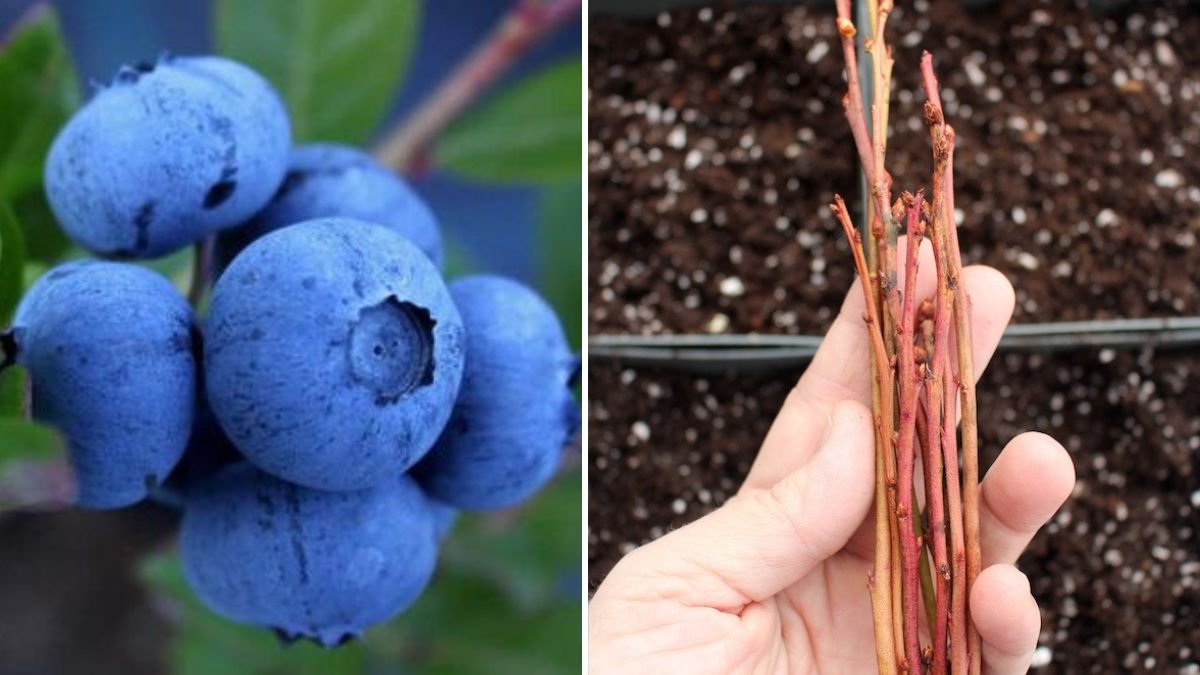
Blueberries are not only delicious and nutritious, but they also make an attractive addition to any backyard garden. These perennial shrubs thrive in acidic soils and are relatively easy to grow if you follow the right practices. One of the most cost-effective and efficient ways to propagate blueberry plants is through cuttings. In this article, we’ll explore the best techniques for successfully growing blueberry plants from cuttings, ensuring you can enjoy your own fresh blueberries for years to come.
Understanding Blueberry Varieties
Before diving into propagation, it’s essential to understand that there are several varieties of blueberries, each with unique characteristics. The three main types are:
-
Highbush Blueberries: Most commonly grown, these require deep soil that retains moisture and are perfect for colder climates.
-
Lowbush Blueberries: Commonly found in wild settings, these are native to North America and thrive in well-drained soils. They are more cold-hardy than other types but yield smaller berries.
-
Rabbiteye Blueberries: Suited for warmer climates, these have a higher tolerance for drought and are typically more productive than other types.
Selecting a variety that is well-suited for your climate and soil type is crucial in ensuring successful growth.
Selecting Healthy Cuttings
To start propagating blueberry plants, you will need to obtain cuttings. Here are the steps to select healthy blueberry cuttings:
-
Choose the Right Time: The best time to take cuttings is during late spring or early summer when the plant is actively growing. Look for semi-hardwood cuttings that are partially matured.
-
Select the Right Plant: Choose a healthy, disease-free parent plant that’s at least three years old.
-
Cut Size: Aim for cuttings that are about 4 to 6 inches long, with at least two to three leaf nodes.
-
Cutting Technique: Use a sharp, sterilized garden shear or pruner to make a clean cut just below a leaf node.

Preparing the Cuttings
Preparation of cuttings is crucial for successful propagation. Here’s how to prepare your blueberry cuttings:
-
Remove Excess Leaves: Trim off the bottom half of the leaves, leaving only a few on the top. This helps reduce water loss while the cutting is trying to root.
-
Dipping in Rooting Hormone: While not always necessary, dipping the cut end in rooting hormone can significantly enhance the likelihood of root development. Rooting hormones contain auxins that stimulate root growth.
-
Placement: Immediately place the prepared cuttings into moist soil or a growing medium to minimize drying out.
Choosing the Right Growing Medium
Blueberries thrive in acidic soils. When propagating cuttings, select a growing medium that mimics their natural environment. Here are some suitable options:
-
Soil Mix: A mix of peat moss, perlite, and pine bark mulch can provide excellent drainage and acidity.
-
Commercial Seed-Starting Mix: Ensure it is specifically designed for acid-loving plants.
-
pH Level: Test the pH of your growing medium; it should ideally be between 4.5 and 5.5.

Planting the Cuttings
Once you have prepared the cuttings and chosen an appropriate growing medium, follow these steps:
-
Planting Depth: Make a hole in the growing medium using a pencil or dibber and insert the cutting about 2 to 3 inches deep. Firm the soil around the cutting to eliminate air pockets.
-
Spacing: If planting multiple cuttings, place them about 6 to 8 inches apart to allow for air circulation and growth.
-
Watering: After planting, water the cuttings lightly. Ensure the soil remains consistently damp but not soggy.
Creating an Optimal Environment
For successful rooting, it’s essential to create an environment conducive to growth. Here’s how:
-
Humidity: Place a plastic bag or a clear plastic dome over the cuttings to maintain a humid environment. Ensure there is adequate airflow to prevent mold growth.
-
Temperature: Keep the cuttings in a warm area with temperatures between 70°F to 75°F (21°C to 24°C).
-
Light: Ensure the cuttings receive bright, indirect light. Avoid direct sunlight, as it may be too harsh for young cuttings.
Maintenance and Care
Once the cuttings are in place, ongoing care is crucial for successful propagation:

-
Watering: Check the moisture level regularly. Water the cuttings when the top inch of soil feels dry, ensuring not to waterlog the medium.
-
Fertilization: After a month, you can introduce a diluted, balanced fertilizer or one specifically designed for acid-loving plants.
-
Monitoring Growth: After a few weeks, roots should start to develop. You can gently tug on the cuttings to feel resistance, indicating rooting has taken place.
Transplanting the Rooted Cuttings
When the cuttings have sufficient roots (about 4 to 6 weeks), they are ready for transplanting:
-
Timing: Wait until the plant has established roots and is actively growing before transplanting.
-
Location: Choose a site with well-draining, acidic soil. Blueberries thrive in full sun but can tolerate partial shade.
-
Hardening Off: Before permanently planting, acclimate the cuttings to outdoor conditions by gradually exposing them to sunlight and outdoor elements over several days.
-
Transplanting Process: Dig a hole that is twice the size of the root ball. Gently place the young blueberry plants in the hole, backfill with soil, and water thoroughly.
Troubleshooting Common Issues
Even experienced gardeners may encounter challenges while growing blueberry plants from cuttings. Here’s how to address some common problems:

-
Rotting Cuttings: If cuttings appear black or mushy, they are likely rotting due to overwatering. Ensure well-draining soil and reduce watering frequency.
-
Lack of Root Development: If roots are slow to form, check for humidity and light levels. Sometimes, increasing humidity can promote root growth.
-
Pests: Monitor for pests like aphids or spider mites. If found, treat with insecticidal soap or neem oil.
Additional Tips for Success
-
Patience: Rooting can take time. Be patient and avoid disturbing the cuttings too frequently.
-
Companion Plants: Consider planting companion plants that improve soil conditions and deter pests, such as garlic or nasturtiums.
-
Record-Keeping: Keep a record of your cutting dates, varieties, and any relevant observations. This helps improve your propagation techniques in subsequent attempts.
-
Mulching: Once planted, apply a layer of organic mulch to retain moisture and suppress weeds.
FAQs
1. How long does it take for blueberry cuttings to root?
Typically, blueberry cuttings can take anywhere from 4 to 8 weeks to root, depending on environmental conditions.
2. Can I propagate blueberries in water instead of soil?
While some plants root well in water, blueberry cuttings fare better in a soil or growing medium designed for rooting.

3. How many cuttings can I take from one plant?
You can take numerous cuttings from one healthy blueberry plant, but make sure not to overly prune the parent plant, which may stress it.
4. Should I cover the cuttings with a plastic bag?
Covering cuttings with a plastic bag can help maintain humidity but ensure there’s airflow to prevent mold.
5. What is the best time to take blueberry cuttings?
The best time to collect cuttings is in late spring or early summer when the plant is actively growing and the cuttings are semi-hardwood.
6. Do blueberry plants require specific nutrient levels?
Yes, blueberries thrive in acidic soils with a pH of 4.5 to 5.5. It’s also essential to provide the right nutrients, particularly nitrogen, phosphorus, and potassium.
7. How far apart should I plant my blueberry bushes?
When planting blueberry bushes, ensure they are spaced about 3 to 5 feet apart to allow for growth and air circulation.
Growing blueberry plants from cuttings can be a rewarding experience that not only enhances your garden but also provides bountiful harvests of fresh berries. By following the techniques outlined in this guide, anyone from seasoned gardeners to beginners can successfully propagate blueberry plants in their backyard. Happy gardening!