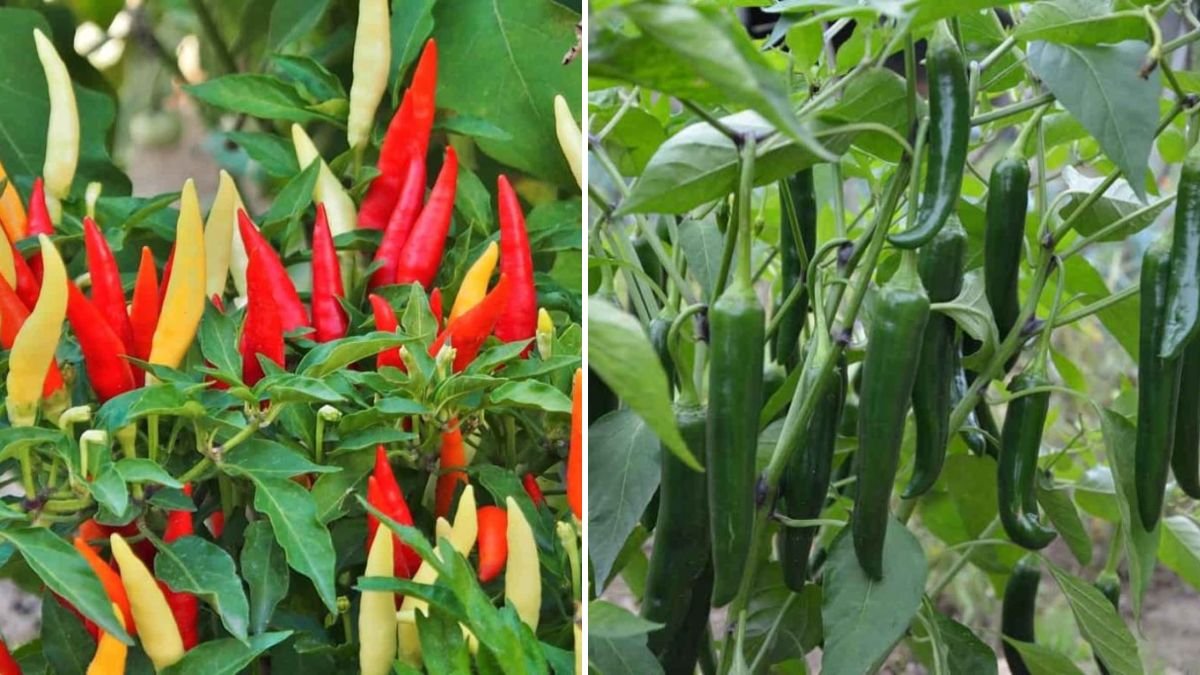
Growing red chillies at home can be a rewarding experience, both in terms of flavor and satisfaction. These vibrant and spicy peppers add a kick to various dishes and are packed with nutrients. With the right techniques and care, you can cultivate a healthy crop of red chillies even in limited spaces. Here’s a comprehensive guide to help you grow red chillies at home for maximum yield.
1. Choosing the Right Variety
1.1 Popular Red Chilli Varieties
Not all chilli varieties are created equal; some are specifically bred for higher yields and better disease resistance. Here are a few popular varieties to consider:
- California Wonder: Known for its large, thick fruits.
- Cayenne: Ideal for drying and producing red pepper flakes.
- Serrano: Smaller in size but delivers a spicy punch.
- Bird’s Eye: Tiny but incredibly spicy, perfect for hot dishes.
1.2 Seed Sourcing
You can source seeds from local nurseries, gardening stores, or reputable online retailers. Ensure the seeds are fresh and suitable for your growing zone.
2. Growing Conditions

2.1 Soil Requirements
Red chillies thrive in well-draining, loamy soil rich in organic matter. Conduct a soil test to determine the pH level, aiming for a range between 6.0 and 7.0. Amend the soil with compost or well-rotted manure to improve nutrient content and drainage.
2.2 Light and Temperature
Red chillies require full sunlight for at least 6-8 hours daily. They flourish in warm temperatures, ideally between 70°F and 85°F (21°C to 29°C). In colder climates, consider starting seeds indoors.
2.3 Space and Layout
If you’re growing in pots, choose containers that are at least 5 gallons in size. For garden plots, allow at least 18-24 inches between plants to ensure good air circulation and sunlight exposure.
3. Planting Techniques
3.1 Seed Starting Indoors
- Timing: Start seeds indoors 8-10 weeks before the last expected frost.
- Materials: Use seed-starting trays filled with seed starting mix. Maintain consistent moisture but avoid waterlogging.
- Transplanting: Once seedlings have two sets of true leaves and the outdoor conditions are suitable, transplant them gently into larger pots or into the garden.
3.2 Direct Sowing

In warmer climates, consider direct sowing seeds into the garden after the last frost. Make a small hole, sow 2-3 seeds, and cover lightly with soil. Water gently to avoid displacing the seeds.
4. Care and Maintenance
4.1 Watering
Consistent moisture is key. Water deeply and adequately, allowing the top inch of soil to dry out between waterings. Avoid splashing water on the leaves to reduce the risk of fungal diseases.
4.2 Fertilization
- Initial Fertilization: Incorporate a balanced slow-release fertilizer into the soil just before planting.
- During Growth: Feed with a nitrogen-rich fertilizer when the plants are young, then switch to a phosphorus-rich formula as they start flowering and fruiting to encourage fruit development.
4.3 Pruning and Support
- Pruning: Pinch off the tips of young plants to encourage bushier growth and more branching.
- Support: As plants grow taller, consider staking them to prevent breakage. This is especially necessary for heavier fruiting varieties.
4.4 Pest and Disease Management
- Common Pests: Keep an eye out for aphids, whiteflies, and spider mites. Use insecticidal soap or neem oil to manage infestations naturally.
- Diseases: Fungal diseases can be mitigated through proper spacing, a consistent watering schedule, and preventive measures like crop rotation.
5. Harvesting Red Chillies
5.1 When to Harvest
Harvest chillies when they turn a vibrant red color and have a glossy finish. You can start harvesting green chillies, but allowing them to mature will enhance their flavor.
5.2 Harvesting Method
Use sharp scissors or pruning shears to cut the fruits from the plant, leaving a small stem attached. This prevents damage to the plant and encourages further fruit set.
6. Post-Harvest Handling
6.1 Storage
Store fresh red chillies in a cool, dry place. They can last up to two weeks in the refrigerator. For longer storage, consider drying or freezing them.
6.2 Drying and Preserving
- Air Drying: Hang whole chillies in a dry, well-ventilated area.
- Oven Drying: Place sliced chillies in a low-temperature oven until fully dried.
- Freezing: Wash and chop, then freeze in airtight bags.
7. Frequently Asked Questions (FAQs)
Q1: How long does it take for red chillies to grow?
A1: Red chillies typically take 75-90 days from planting to harvest, but this can vary based on the variety and growing conditions.
Q2: Can I grow chillies indoors?
A2: Yes, red chillies can be successfully grown indoors as long as they receive adequate light (preferably from grow lights) and are in well-draining pots.
Q3: What is the best temperature for growing chillies?
A3: Red chillies thrive at temperatures between 70°F and 85°F (21°C to 29°C). They can be sensitive to frost, so ensure they’re planted after the last frost date.
Q4: How do I know when to water my chillies?
A4: Check the first inch of soil; if it feels dry, it’s time to water. Avoid overwatering, as it can lead to root rot.
Q5: How can I encourage fruiting?
A5: Ensure the plants receive enough sunlight, water, and nutrients. Once flowering begins, switch to a fertilizer higher in phosphorus to support fruit development.
Q6: Can I save seeds from my chillies for next year?
A6: Absolutely! Allow a few peppers to fully ripen, then dry the seeds. Store them in a cool, dry place for future planting.
Q7: What should I do if my chillies are not producing fruit?
A7: Lack of fruit can be due to insufficient pollination, poor nutrition, or too much nitrogen. Ensure good airflow and consider hand-pollinating flowers if necessary.
Conclusion
Growing red chillies at home is not only easy but also fulfilling. By following the outlined techniques—from selecting the right variety to ensuring proper care—you can achieve a bountiful harvest yielding flavorful and vibrant red chillies. Enjoy the process, experiment with various conditions, and savor the rewards of your labor in culinary delights. Happy gardening!