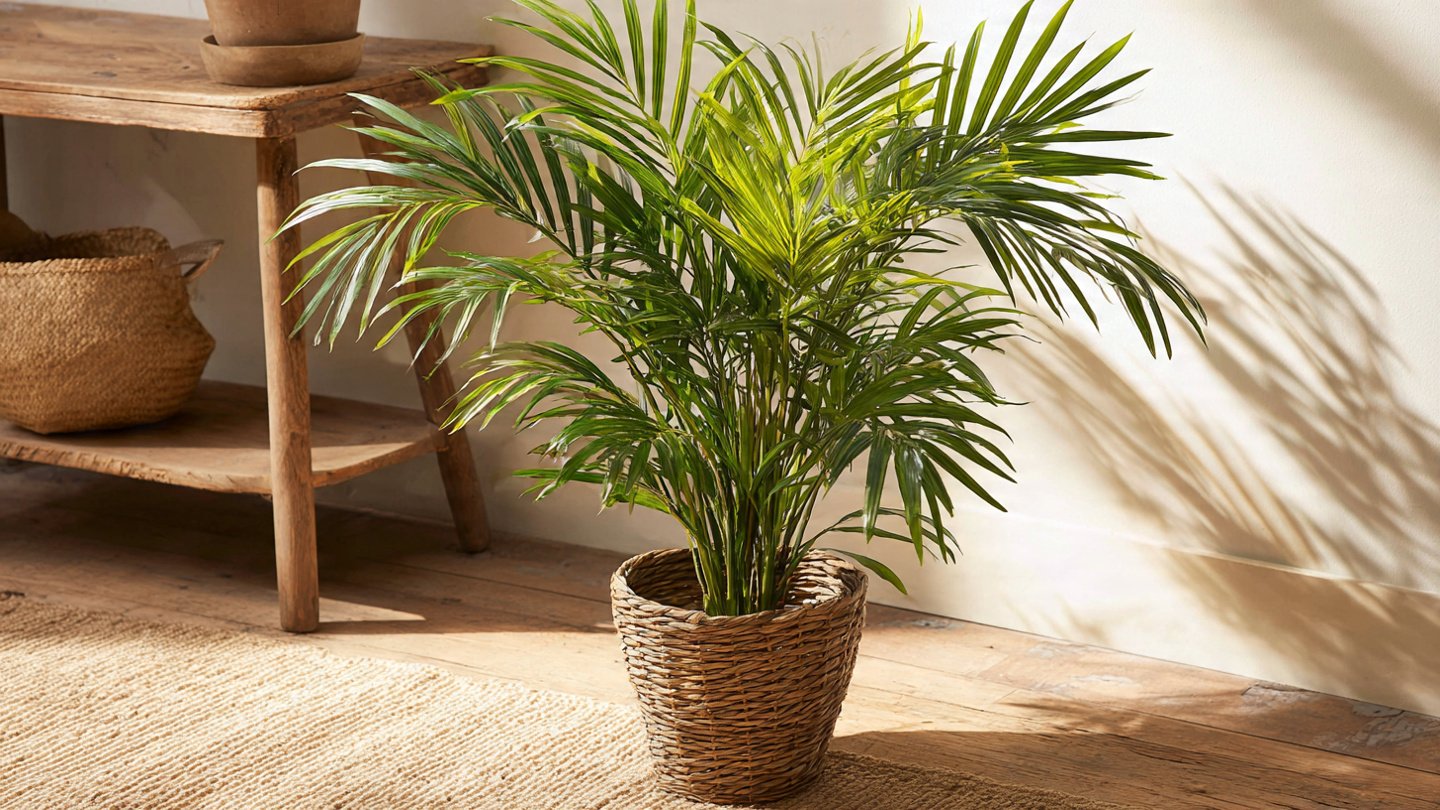
The Golden Cane Palm (Dypsis lutescens), also known as Areca Palm, is a popular indoor plant celebrated for its lush green fronds and natural elegance. Its attractive appearance and air-purifying qualities make it a fantastic choice for anyone looking to enhance their home decor. This article provides insights into the best growing techniques for the Golden Cane Palm indoors, ensuring that your plant thrives and adds splendor to your living space.
Understanding the Golden Cane Palm
Before diving into cultivation techniques, it’s imperative to understand the characteristics of the Golden Cane Palm. Native to Madagascar, this palm can reach heights of up to 6-7 feet indoors, making it an impressive statement piece. Its feathery, arching fronds create a tropical ambiance, ideal for brightening up any dull corner.
Ideal Growing Conditions
-
Light Requirements
Golden Cane Palms prefer bright, indirect light. Direct sunlight can scorch their leaves, while too little light can lead to stunted growth. Ideally, place your palm near an east or west-facing window, where it can receive filtered sunlight. -
Temperature
These palms thrive in temperatures between 65°F and 75°F (18°C – 24°C). They’re not frost-tolerant, so be cautious of cold drafts or spots near air conditioning vents. -
Humidity
As tropical plants, Golden Cane Palms enjoy high humidity levels. Aim for a humidity level of around 50-70%. If your home is dry, consider placing a humidifier nearby or grouping your plants to create a more humid microenvironment. -
Soil Type
The right soil mix is crucial for maintaining moisture without promoting root rot. A well-draining potting mix enriched with organic matter is ideal. You can create your own mix by combining equal parts potting soil, perlite, and coarse sand.

Planting and Repotting
Choosing the Right Container
When selecting a pot, ensure it has drainage holes to prevent excess water retention. As a general rule, pick a pot that’s one size larger than the current one when repotting.
Steps for Planting
-
Prepare the Pot
Add a layer of small stones or gravel at the bottom of your pot to enhance drainage. -
Soil Filling
Fill the pot with the chosen potting mix, leaving enough space at the top for the plant. -
Planting
Gently remove the Golden Cane Palm from its nursery pot and loosen any tightly bound roots. Position it in the new pot, ensuring that the crown of the plant is level with the top of the soil. -
Watering
Water the plant thoroughly after repotting to help settle the soil and eliminate air bubbles.
Care Tips for Golden Cane Palm
Watering

Regular watering is essential, but moderation is key. Water when the top inch of soil feels dry. Ensure that the pot drains well to avoid waterlogging.
Fertilizing
Feed your palm with a balanced, water-soluble fertilizer every 4-6 weeks during the growing season (spring and summer). Reduce feeding in fall and winter when growth slows.
Pruning
Occasional pruning helps maintain the appearance of your Golden Cane Palm. Remove any yellow, brown, or damaged fronds close to the base.
Pest Management
Common pests include spider mites and mealybugs. Regularly inspect your plant and treat infestations promptly with insecticidal soap or neem oil.
Displaying Golden Cane Palm
The way you display your Golden Cane Palm can significantly enhance your home’s aesthetic. Here are some ideas:
-
Corner Display
Place your palm in a corner or near large windows to create a lush indoor oasis.
-
Grouping Plants
Pair your palm with other tropical plants, such as peace lilies or pothos, to create a vibrant, textured display. -
Use Elevation
Consider using plant stands or bookshelves to elevate your palm, allowing its fronds to cascade and add visual interest. -
Decorative Pots
Choose stylish pots that complement your decor style, whether contemporary or bohemian, to enhance the overall look of your home.
Seasonal Considerations
Winter Care
In winter, reduce watering and keep the plant away from cold drafts. Maintaining humidity is crucial during this dry season, so misting the plant or using room humidifiers can help.
Spring Refresh
In spring, consider repotting if your palm has outgrown its container. This is also a good time to prune any dead fronds and start fertilization again.
Troubleshooting Common Issues
-
Yellowing Leaves
Yellow leaves can indicate overwatering or nutrient deficiency. Adjust your watering schedule and check if it’s time for a fertilizer boost. -
Brown Tips
Brown leaf tips may result from low humidity or underwatering. Ensure you’re maintaining adequate humidity levels and adjusting your watering frequencies. -
Wilting
Wilting can be a sign of either underwatering or root rot from overwatering. Check the soil moisture and adjust your care accordingly. -
Pests
Keep an eye out for signs of pests. Regularly check both sides of leaves and treat any infestations quickly.

FAQ Section
1. How often should I water my Golden Cane Palm?
Water the palm when the top inch of soil feels dry. Generally, this means watering every 1-2 weeks, depending on humidity and temperature.
2. Can I grow Golden Cane Palm in low light?
While Golden Cane Palms prefer bright, indirect light, they can tolerate low-light conditions but may grow more slowly and not reach their full potential.
3. Do Golden Cane Palms produce flowers indoors?

When healthy, Golden Cane Palms can produce small yellow flowers, but they are quite rare indoors and less showy than their green fronds.
4. Can Golden Cane Palm be grown in water?
Golden Cane Palm prefers soil and does not thrive in water. If you want to propagate, use cuttings in soil rather than trying to grow in water.
5. Is Golden Cane Palm safe for pets?
Yes, the Golden Cane Palm is non-toxic to cats and dogs, making it an excellent choice for pet owners.
6. How long do Golden Cane Palms live?
With proper care, Golden Cane Palms can thrive for many years, often exceeding 10-15 years in optimal indoor conditions.
Conclusion
The Golden Cane Palm is a stunning addition to any indoor space thanks to its majestic foliage and air-purifying benefits. By following the techniques outlined in this article, you can create an inviting environment that showcases this tropical elegance. With the right care, your Golden Cane Palm will not only flourish but also enrich your home decor for years to come. Whether you place it in a bright corner of your living room or group it with other greenery, it will undoubtedly become a focal point that adds a touch of natural beauty to your home.