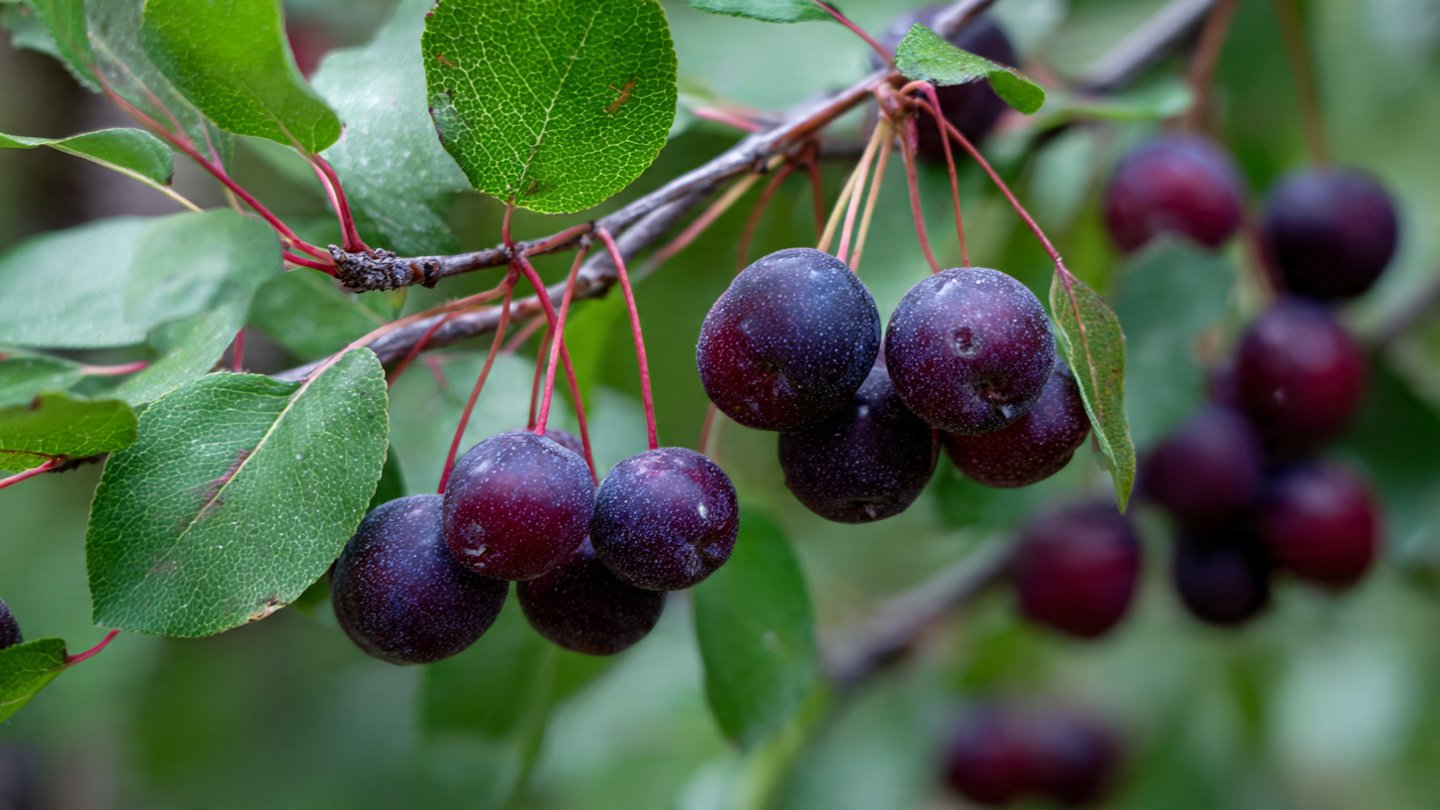
Juneberry, also known as Amelanchier, is a deciduous shrub native to North America. Renowned for its sweet, flavorful berries and ornamental beauty, it has gained popularity among gardeners and landscapers alike. Growing Juneberries can be rewarding, not just for their culinary uses but also for their ecological benefits. This article comprehensively explores the best methods to grow Juneberries for maximum fruit yield.
Understanding Juneberry
Before diving into cultivation practices, it’s essential to understand Juneberries’ characteristics. The shrubs typically grow between 6 to 30 feet in height, depending on the species. In spring, they present beautiful white flowers, followed by small, round berries that ripen in early summer. The berries are high in antioxidants and vitamins and are often used in jams, jellies, and desserts.
Site Selection
1. Sunlight Requirements
Juneberries thrive best in full sun, requiring at least 6 to 8 hours of direct sunlight daily. They can tolerate partial shade, but maximizing sunlight exposure is key to fruit production.
2. Soil Quality
The ideal soil for Juneberries is well-draining, loamy soil enriched with organic matter. They prefer a pH range of 5.5 to 7.0. Conduct a soil test to determine nutrient levels and pH, amending the soil as needed with compost or other organic materials.
3. Space Considerations
Give your Juneberry plants adequate space to grow. Plant them 3 to 5 feet apart to ensure good air circulation, which helps prevent diseases and promotes healthy growth.
Choosing the Right Varieties
Selecting the right variety is crucial for maximizing fruit yield. Here are some popular Juneberry varieties:

- Serviceberry (Amelanchier arborea): Known for its excellent flavor and high fruit yield.
- American Juneberry (Amelanchier canadensis): Hardy and adaptable, this variety produces sweet berries.
- Shadblow (Amelanchier canadensis var. interior): This type offers a balance of ornamental value and fruit production.
Consider your local climate and growing conditions when choosing a variety, as some may perform better in specific environments.
Planting Juneberries
1. Planting Time
The best time to plant Juneberries is in early spring or fall. Early spring planting allows the plant to establish before the heat of summer, while fall planting can take advantage of cooler temperatures.
2. Planting Procedure
- Digging Holes: Prepare planting holes that are twice as wide and just as deep as the root ball.
- Amending Soil: Mix compost or well-rotted manure into the extracted soil to enhance its nutrient profile.
- Placing the Plant: Position the plant in the center of the hole, ensuring that the root collar is at ground level.
- Filling and Watering: Fill the hole with the amended soil, gently tamping it down to remove air pockets. Water thoroughly after planting.
Watering

1. Initial Watering
After planting, water the shrubs immediately. The soil should be kept consistently moist but not soggy during the establishment phase.
2. Establishment Period
For the first year, Juneberries need about an inch of water per week. Use mulch to retain moisture and suppress weeds.
3. Mature Plants
Once established, Juneberries are relatively drought-tolerant, but regular watering during dry spells will promote higher fruit yields.
Fertilization
To maximize fruit yields, regular fertilization is essential. Here’s a suggested fertilization plan:
1. Initial Fertilizing
In the spring, apply a balanced fertilizer (10-10-10) at the rate of 1 pound per 100 square feet.
2. Mid-Season Feeding
Follow up with an additional round of fertilizer in mid-summer to support fruit development.

3. Organic Alternatives
If you prefer organic methods, consider using compost, well-rotted manure, or fish emulsion as nutrient sources.
Pruning Juneberries
Proper pruning is crucial for boosting fruit production. Here are key strategies:
1. Timing
Prune in late winter or early spring before new growth begins.
2. Techniques
- Remove Dead or Diseased Wood: Cut back any dead or diseased branches.
- Thinning: Thin out overcrowded branches to improve air circulation and sunlight penetration.
- Size Control: Maintain the plant’s shape and size by shortening overly long branches.
Pest and Disease Management
While Juneberries are generally hardy, they can be susceptible to certain pests and diseases. Here’s how to manage them:
1. Common Pests

- Spider Mites: Regularly check for spider mite infestations, especially in drought conditions. Treat with insecticidal soap or neem oil.
- Japanese Beetles: Hand-pick these pests or use traps to manage their populations.
2. Diseases
- Powdery Mildew: Avoid overhead watering to reduce humidity and prevent mildew. Use fungicides if necessary.
- Leaf Spot: Maintain good air circulation and remove affected leaves to prevent the spread.
Harvesting Juneberries
1. Timing
Juneberries typically ripen in late spring to early summer, around June. The berries will change from red to dark purple or blue when ripe.
2. Harvesting Technique
Pick the berries gently to avoid damaging the plant. Use a bucket to collect them, ensuring that you harvest all the ripe fruits for maximum yield.
Usage and Preservation
Juneberries can be consumed fresh or used in various culinary applications. They blend well in pies, jams, jellies, and smoothies. If you have an abundant harvest, consider freezing the berries. Wash and dry them, spread them on a baking sheet, and freeze before transferring them to airtight containers.
Frequently Asked Questions (FAQ)

1. Are Juneberries edible?
Yes, Juneberries are edible and are known for their sweet, flavorful taste. They can be eaten fresh or used in various dishes.
2. How do I know when Juneberries are ripe?
Juneberries are ripe when they change color from red to dark purple or blue. A gentle tug should easily detach the berry from the stem.
3. Can I grow Juneberries in a container?
Yes, Juneberries can be successfully grown in containers. Ensure the pot is large enough (at least 5 gallons) and use a high-quality potting mix.
4. How long does it take for Juneberries to bear fruit?
Juneberries typically begin to bear fruit 3 to 5 years after planting, although this can vary based on conditions and variety.
5. Can Juneberries tolerate cold temperatures?
Juneberry plants are quite cold-hardy and can tolerate temperatures down to -30°F (-34°C), depending on the variety.
Conclusion
Growing Juneberries can be a highly rewarding endeavor, offering both delicious fruit and stunning ornamental features. By following the steps outlined in this article—selecting the right site, variety, planting practices, proper care, and pest management—you can maximize your fruit yield. Whether you’re adding them to your garden, landscape, or food preserves, Juneberries are an excellent choice that will provide enjoyment for years to come.