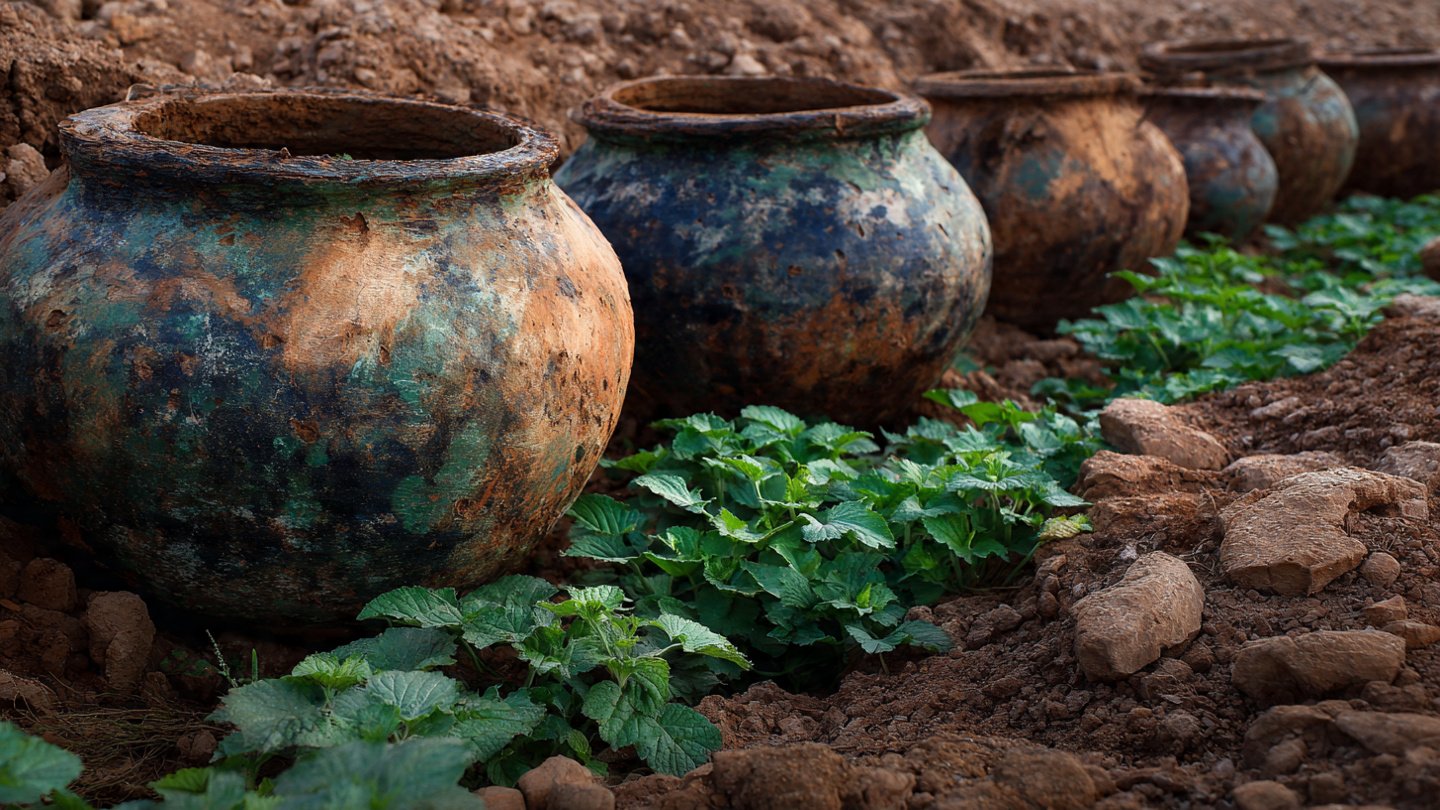
The ancient clay pot irrigation system, known as ‘olla irrigation,’ has stood the test of time and serves as an invaluable resource for contemporary agriculture. This age-old technique is a sustainable and efficient approach to watering crops, which can have profound implications for modern farming practices, particularly in water-scarce areas. Understanding how this method works can provide insights into its practical benefits and its potential role in future agricultural strategies.
Historical Context of Olla Irrigation
Olla irrigation dates back thousands of years, with evidence of its use in ancient Mesopotamia, China, and Mesoamerica. Pottery pots, known as ‘ollas,’ were buried in the ground near the root zone of plants. The porous material of the pots allowed water to seep slowly into the soil, providing moisture directly to the roots. This method was not only efficient but also reduced evaporation and surface runoff.
Farmers in arid regions relied on ollas to maintain consistent moisture levels in their crops. They could fill the pots with water and let the soil draw moisture as needed. This allowed for a more controlled and efficient watering system compared to traditional surface irrigation techniques.
The Science Behind Olla Irrigation
Ollas are usually made of unglazed terra cotta, which is naturally porous. When placed in the ground, the combination of soil moisture and air pressure creates a suction that pulls water from the pot into the surrounding soil. The rate of water flow depends on several factors, including soil texture, plant water uptake, and temperature.
This system has several scientific advantages:

- Water Conservation: The olla system minimizes evaporation loss since most of the water is delivered directly to the plant roots.
- Reduced Weed Growth: With only targeted watering, this method can help decrease weed competition, promoting healthier crop growth.
- Soil Health: By maintaining consistent moisture, the olla irrigation system encourages beneficial microorganisms in the soil, fostering better soil health and fertility.
Modern Applications of Olla Irrigation
In contemporary agriculture, the potential benefits of the olla irrigation system are increasingly recognized, particularly as global water issues escalate. As climate change exacerbates drought and water shortages, the need for efficient irrigation methods has never been more pressing. Farmers are now looking back to age-old techniques like olla irrigation for sustainable solutions.
1. Home Gardening: Urban gardeners and small-scale farmers can implement ollas in their gardens to conserve water and maintain healthy plants. The simplicity and effectiveness of these systems make them appealing for personal use.
2. Commercial Farming: Larger farm operations can integrate ollas or similar technologies within their irrigation systems. Research indicates that using ollas can save water compared to traditional overhead or drip irrigation systems.

3. Public Awareness Campaigns: Environmental organizations are advocating for olla irrigation as a sustainable practice. Training programs can teach farmers how to implement these methods effectively.
Environmental Benefits and Sustainability
One of the most compelling arguments for the revival of the olla irrigation system is its compatibility with modern sustainable farming practices. This ancient method aligns with principles of permaculture and organic farming. Here are some of the key environmental benefits:
- Less Water Waste: By delivering water directly to the root zone, ollas significantly reduce the amount of water needed for irrigation.
- Improved Soil Structure: Consistent moisture levels promote better soil aggregation and prevent compaction, making it easier for roots to grow and access nutrients.
- Enhancing Biodiversity: By minimizing the need for chemical fertilizers and herbicides, ollas can contribute to more diverse ecosystems on farms.
Challenges to Widespread Adoption
Despite the numerous advantages, there are challenges to the widespread adoption of clay pot irrigation:

- Initial Cost: The initial investment for clay pots and the labor required to install them can be a barrier for some farmers, especially in developing regions.
- Knowledge Gap: Many modern farmers are unfamiliar with the principles of olla irrigation, necessitating education and training programs.
- Regional Suitability: While olla irrigation is effective in many situations, it may not be suitable for all crops or soil types, requiring careful consideration before implementation.
Future Prospects
The resurgence of interest in sustainable agriculture presents an opportunity for the olla irrigation system to find new relevance. Researchers and agricultural practitioners are exploring how to improve the traditional design and function of ollas using modern materials and technologies. For instance, integrating sensors to monitor soil moisture levels can optimize water delivery further.
Collectively, these innovations could pave the way for a new generation of ollas that appeal to large-scale agriculture while still holding true to the principles of sustainability and efficiency.
Conclusion
The ancient clay pot irrigation system exemplifies how traditional methods can inform modern agricultural practices. As the world faces growing challenges related to water scarcity and food security, the efficiency and sustainability embodied in olla irrigation offer invaluable lessons. By reviving this timeless technique, farmers can enhance their resilience against climate change while promoting a more sustainable approach to agriculture. Ultimately, the wisdom of the ancients may provide the solutions needed for a sustainable future.

FAQs
1. What is olla irrigation?
Olla irrigation is an ancient technique using unglazed clay pots (ollas) buried in the ground to water crops. The porous nature of the pots allows water to seep out slowly, directly into the soil.
2. How does olla irrigation save water?
By delivering water directly to the root zone of plants and minimizing evaporation, olla irrigation significantly reduces water waste compared to traditional methods.
3. Can olla irrigation be used for all types of crops?
Olla irrigation is most effective for crops that benefit from steady moisture levels. However, some large-scale crops or those that require specific irrigation methods may not be suitable for this system.

4. Is olla irrigation practical for urban gardening?
Yes, olla irrigation is an excellent option for urban gardening, as it conserves water and simplifies the watering process, making it ideal for smaller gardens.
5. What are the potential downsides of using ollas?
The main challenges include the initial cost, the need for education and training, and ensuring that this method is suitable for the specific crops and soil conditions.