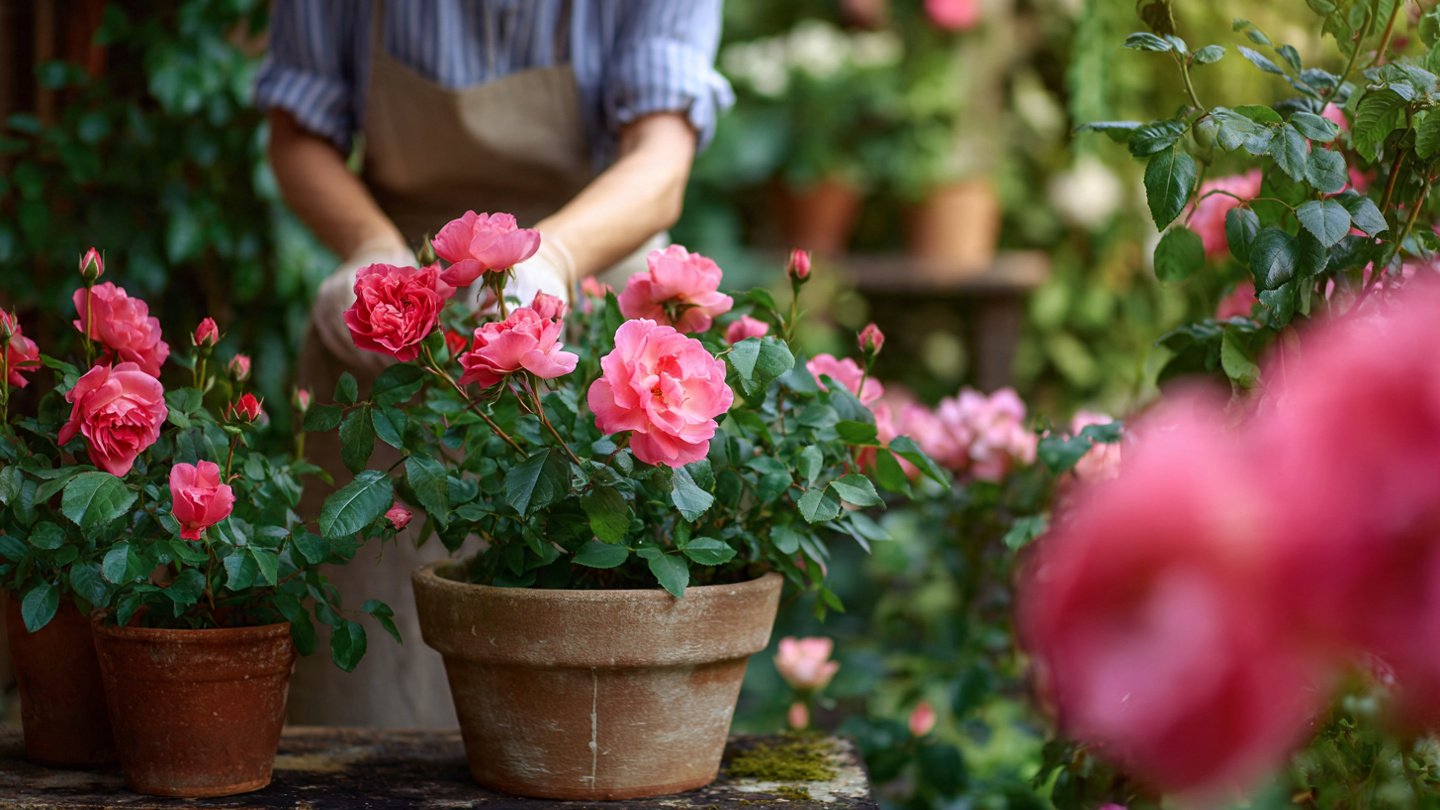
Growing floribunda roses in pots is a rewarding endeavor that brings color and fragrance to any outdoor living space. These hybrid roses, known for their clusters of blooms, are not only beautiful but also relatively easy to care for. In this guide, you’ll find everything you need to know about cultivating floribunda roses in pots, from selecting the right variety to caring for your plants.
Understanding Floribunda Roses
Floribunda roses are the result of a cross between hybrid teas and polyantha roses. They are characterized by their vibrant, clusters of smaller flowers that bloom profusely throughout the growing season. With a vast array of colors and fragrances, floribunda roses can enhance any garden or patio setting.
Characteristics of Floribunda Roses
- Blooms: The flowers come in various colors, including red, pink, white, and yellow.
- Growth Habit: They generally grow between 2 to 4 feet tall and spread about 2 to 3 feet wide, making them ideal for pots.
- Blooming Season: The blooming season typically lasts from spring through fall, with intermittent blooms throughout the year.
Selecting the Right Pots
Choosing the Pot Size
When growing floribunda roses in pots, selecting the right size pot is crucial. A pot with a diameter of at least 12-16 inches and a depth of 10-12 inches is recommended. A larger pot can help accommodate the roots and support healthy growth.
Material Considerations
Pots come in various materials, each with benefits and drawbacks:
- Clay Pots: Great for breathability and moisture control but can crack in extreme temperatures.
- Plastic Pots: Lightweight and retain moisture well, but may not provide adequate insulation for roots.
- Metal Pots: Stylish but can become very hot in direct sunlight, potentially damaging the roots.

Drainage Holes
Ensure that your pot has adequate drainage holes. Good drainage prevents waterlogging, which can lead to root rot—a common issue with potted roses.
Choosing the Right Soil
Soil Composition
The best soil for growing floribunda roses is well-draining yet moisture-retaining. A mix of potting soil, compost, and perlite or vermiculite is ideal. This combination enhances soil structure and provides the necessary nutrients.
pH Levels
Floribunda roses thrive in slightly acidic to neutral soil (pH 6.0 to 6.8). You can check the pH with a simple soil test kit available at gardening stores.
Planting Floribunda Roses in Pots
Timing
The best time to plant floribunda roses is in early spring or fall when temperatures are cooler, and the risk of frost has passed. Planting during these times allows the roses to establish their roots before the heat of summer or the chill of winter arrives.
Planting Steps
-
Prepare the Pot: Place a layer of small stones or broken pottery at the bottom of the pot to enhance drainage.
-
Fill with Soil: Add a layer of prepared soil, leaving enough space for the root ball.
-
Plant the Rose: Remove the rose from its nursery pot, gently loosening any tightly bound roots. Set it in the pot at the same depth it was growing in its nursery pot.
-
Backfill: Fill in the sides with soil, gently pressing down to eliminate air pockets. Water thoroughly after planting.

Watering Your Floribunda Roses
Frequency
Potted roses require regular watering, especially in warm weather. Typically, watering once every 2-3 days is ideal, but this can vary based on environmental conditions. Check the top inch of soil; if it’s dry, it’s time to water.
Techniques
- Soak Thoroughly: Always water deeply until it drains from the bottom to ensure the entire root system receives moisture.
- Mulching: Adding a layer of organic mulch can retain moisture, suppress weeds, and regulate soil temperature.
Fertilizing Floribunda Roses
Choosing Fertilizer
Use a balanced, slow-release fertilizer specifically designed for roses. Look for a formula with equal parts nitrogen, phosphorus, and potassium (e.g., 10-10-10).
Application
- Timing: Fertilize in early spring just before the blooming season starts. A second application can be made in mid-summer to boost bloom production.
- Method: Sprinkle the fertilizer around the base of the plant, then water it in to help it absorb into the soil.
Pruning Floribunda Roses
Pruning is essential to maintain the plant’s health and promote more vibrant blooms.
When to Prune

The best time to prune floribunda roses is in early spring, just as new growth begins to emerge. Avoid pruning in late fall or winter to prevent damage from frost.
How to Prune
-
Remove Dead or Diseased Wood: Cut back any blackened, brown, or yellowed stems to healthy tissue.
-
Shape the Plant: Aim for a vase-like shape by removing inward-growing branches, allowing good airflow.
-
Cutting Technique: Use clean, sharp pruning shears. Make cuts at a 45-degree angle, about 1/4 inch above a healthy bud.
Managing Pests and Diseases
Floribunda roses can be susceptible to aphids, spider mites, and diseases like powdery mildew and black spot.
Prevention Strategies
-
Regular Inspection: Routinely check your plants for signs of pests or diseases.
-
Cultural Practices: Ensure proper watering, fertilization, and pruning to promote overall health.
-
Natural Remedies: Use insecticidal soap for pests and remove affected leaves for disease management.
Protecting Floribunda Roses During Winter

In colder climates, special care is needed to protect your potted roses from winter temperatures.
Winter Protection Tips
-
Insulate the Pot: Wrap pots in burlap or bubble wrap to protect the roots from freezing.
-
Move Indoors: If possible, move the pot to a sheltered area like a garage or a shed during extreme cold.
-
Water Sparingly: Reduce watering during winter, but ensure the soil doesn’t completely dry out.
Best Floribunda Varieties to Grow in Pots
Here are some top choices for floribunda roses that do particularly well in containers:
-
‘Julia Child’: Known for its buttery yellow blooms and strong fragrance.
-
‘Iceberg’: A classic white floribunda that blooms profusely throughout the growing season.
-
‘Sweet Promise’: Offers lovely pink flowers with a mild, sweet scent.
-
‘Gold Medal’: Features vibrant golden-yellow blooms that add a splash of color.

Conclusion
Growing floribunda roses in pots allows anyone to enjoy their beauty and fragrance in limited spaces. With proper selection, care, and attention to detail, you can create a stunning display of color that lasts from spring through fall. Remember, the key lies in choosing the right pot, soil, and care techniques to ensure healthy blooms.
FAQs
1. Can floribunda roses be grown indoors?
While floribunda roses prefer outdoor conditions, they can be grown indoors in bright, sunny locations. Ensure they receive at least 6 hours of sunlight.
2. How often should I fertilize my floribunda roses?
Fertilize every 4-6 weeks during the growing season with a balanced fertilizer, and avoid fertilizing during the winter months.
3. Why are my floribunda roses not blooming?
Lack of blooms can be due to inadequate sunlight, over-fertilization, or insufficient watering. Ensure your plants have enough sunlight and check your watering schedule.
4. What pests can affect my floribunda roses?
Common pests include aphids, spider mites, and whiteflies. Regular inspection and using natural pesticides can help manage these issues.
5. How do I encourage more blooms on my floribunda roses?
Regular deadheading of spent blooms encourages new flowers to form. Also, appropriate fertilization and pruning practices will support continuous blooming.
By following these guidelines and tips, you can ensure that your floribunda roses flourish, providing stunning displays of color and life throughout their blooming period. Enjoy the journey of gardening and the beauty that comes with it!