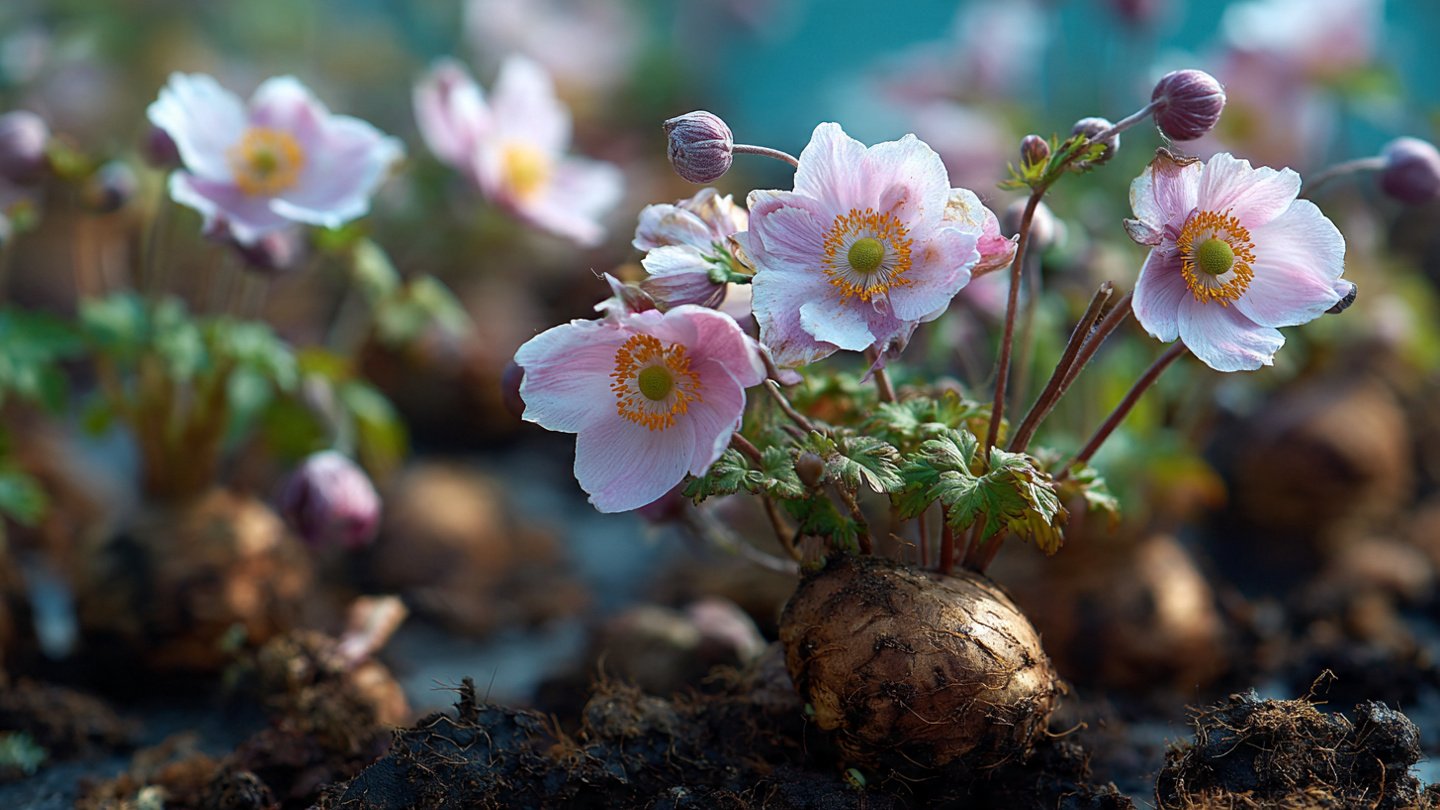
Anemones are a stunning addition to any garden, renowned for their vibrant colors and delicate petals that sway beautifully in the breeze. These perennial plants can transform your garden space with their charming flowers and lush green foliage. Growing anemones from tubers is an excellent way to enjoy their beauty, and this guide will walk you through the entire process—from selecting the right tubers to caring for these lovely plants.
Understanding Anemone Tubers
Anemones primarily come in two varieties: the Anemone coronaria (commonly known as the poppy anemone) and the Anemone hupehensis (Japanese anemone). The former is well-known for its vibrant blooms, while the latter is appreciated for its late-summer flowering. Both can be successfully cultivated from tubers, which are essentially modified underground stems.
Choosing the Right Tubers
When selecting anemone tubers, it’s essential to look for healthy specimens that are firm and plump. Avoid any that appear shriveled or have dark spots. You can find anemone tubers at local garden centers, online suppliers, or through gardening clubs.
The Best Planting Conditions
1. Location:
Anemones thrive in well-drained soil and prefer a location that receives partial to full sunlight. Ideally, they should get at least 4-6 hours of sunlight daily. Too much shade can lead to leggy growth and fewer blooms.
2. Soil:
These plants prefer well-drained soil that’s rich in organic matter. A sandy loam or a mix of potting soil and compost is ideal. Poorly drained soils can cause tubers to rot, so consider adding sand or perlite to enhance drainage if your soil is heavy.
3. pH Level:
Anemones prefer a slightly acidic to neutral pH level (between 6.0 and 7.0). Conduct a soil test if unsure and amend your soil with lime to raise the pH or sulfur to lower it as needed.

Planting Anemone Tubers
Timing
The ideal time for planting anemone tubers is in the spring or fall, depending on your climate. In colder areas, spring planting is advisable to avoid frost damage, while mild climates can accommodate fall planting.
How to Plant
-
Prepare the Site: Clear any weeds or debris from the area. Loosen the soil and mix in compost for added nutrients.
-
Soak the Tubers: Before planting, soak the tubers in lukewarm water for 3-4 hours to encourage sprouting.
-
Planting Depth and Spacing: Plant the tubers about 1-2 inches deep and space them approximately 6-12 inches apart, depending on the variety. Ensure that the tubers are planted with the pointed end facing upwards.
-
Watering: After planting, gently water the area. Avoid soaking the soil, as excessive water can cause rot.
Caring for Anemones
Once your anemones are planted, proper care will ensure they thrive:

1. Watering:
Regular watering is crucial, especially during dry spells. However, ensure the top inch of soil dries between waterings to prevent root rot.
2. Feeding:
Fertilize with a balanced, water-soluble fertilizer once a month during the growing season. Be cautious not to over-fertilize, as this can lead to lush foliage at the expense of blooms.
3. Mulching:
Applying a layer of mulch around the plants can help retain moisture, regulate soil temperature, and suppress weeds.
4. Pruning:
Deadhead spent blooms to encourage further flowering and maintain a tidy appearance in your garden. After flowering, allow the foliage to die back naturally, as this helps the tubers gather energy for the next season.
Dealing with Pests and Diseases
Anemones are relatively hardy, but they can be susceptible to a few pests and diseases.
Common Pests
- Aphids: These tiny insects can sap vitality from your plants. Use insecticidal soap or neem oil to control infestations.
- Slugs and Snails: These common garden pests can be deterred using barriers or traps made from beer or commercially available slug bait.

Common Diseases
- Fungal Issues: Overwatering can lead to fungal infections like botrytis blight. Avoid wetting foliage and ensure good air circulation by spacing plants appropriately.
- Root Rot: Ensure proper drainage and avoid planting tubers in clay-heavy soils.
Propagating Anemones
Once established, anemones can be propagated by dividing tubers in early spring or fall. Follow these steps:
- Dig Up the Tubers: Gently lift the tubers after the growing season is over, being careful not to damage them.
- Separate the Clumps: Use a clean, sharp knife to cut through clumps, ensuring each section has at least one healthy tuber and root.
- Replant: Follow the same planting instructions above for the new tubers.
Seasonal Care
In colder climates, you may need to take special care of your anemones during winter:
- Mulching: In late fall, apply a thick layer of mulch over the planting area to insulate the tubers against freezing temperatures.
- Uprooting: In very harsh climates, you might consider uprooting the tubers and storing them in a cool, dry place until spring.

Aesthetic Uses in the Garden
Anemones make excellent companions to other plants. Their vibrant hues can enhance the late spring and early summer bloomers and can be paired beautifully with:
- Irises: Their majestic vertical blooms contrast nicely.
- Peonies: Together, they create a lush and colorful display.
Frequently Asked Questions
1. How long do anemone tubers take to sprout?
- Anemone tubers generally take about 4 to 6 weeks to sprout once planted.
2. Can I grow anemones in pots?
- Yes, anemones can be successfully grown in large pots or containers with well-draining soil. Ensure the pot has drainage holes.
3. What to do if the leaves turn yellow?
- Yellowing leaves may indicate overwatering or nutrient deficiency. Check moisture levels and consider feeding with fertilizer.

4. Are anemones deer-resistant?
- Anemones are considered moderately deer-resistant, but hungry deer may still nibble on them if food is scarce.
5. Can anemones survive winter?
- Yes, they can survive winters, but it’s essential to protect them with mulch or by uprooting in extremely cold regions.
6. How do I prevent root rot?
- Ensure your planting area has well-drained soil and that the tubers are not overly watered, especially during wet or cold weather.
Conclusion
Growing anemones from tubers can be a rewarding project for any gardener. With their beautiful blooms and relatively low maintenance requirements, they are perfect for adding vibrant color to your outdoor space. By following the steps outlined in this guide, you’ll be well on your way to enjoying a flourishing display of anemones in your garden. Happy gardening!