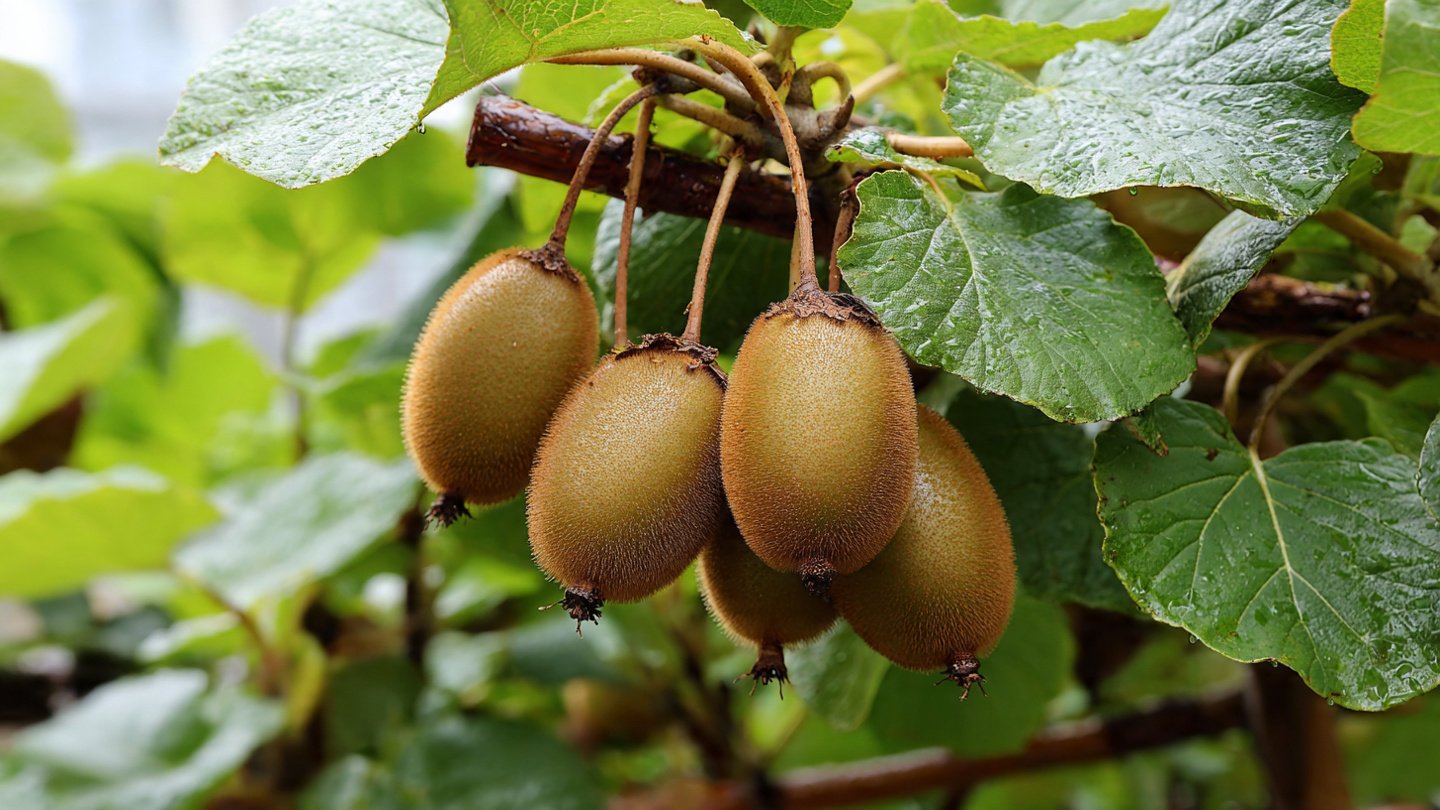
Growing hardy kiwifruit (Actinidia arguta), also known as baby kiwi or grape kiwi, can be a rewarding endeavor for gardeners seeking to cultivate a unique and flavorful fruit. Unlike their fuzzy cousins, hardy kiwis are small, smooth, and bite-sized, making them perfect for snacking or adding to culinary dishes. This guide will walk you through the process of growing hardy kiwi with minimal effort while maximizing the results, covering everything from selection to harvest.
Understanding Hardy Kiwi
Hardy kiwis are native to East Asia and are known for their resilience against colder temperatures. They can thrive in USDA Hardiness Zones 3 to 9, making them suitable for a variety of climates. Hardy kiwis are not only delicious; they also carry numerous health benefits, being rich in vitamins C and E, dietary fiber, and antioxidants.
Key Benefits of Growing Hardy Kiwi
- Cold Tolerance: Hardy kiwi vines can withstand temperatures as low as -25°F (-30°C).
- Space Efficiency: The vines can be trained vertically, making them ideal for small gardens.
- Nutritional Value: They offer numerous health benefits and are rich in vitamins.
- Unique Flavor: Their taste is a sweet and tangy combination that is distinct from traditional kiwis.
Selecting the Right Variety
Choosing the right variety of hardy kiwi is crucial for success. Some popular varieties include:
- Anna: Known for its prolific fruiting and fast growth.
- Hardy Kiwi: A robust variety adaptable to different climates.
- Baby Kiwi: Smaller fruits but offers a high yield.

When selecting your plants, look for healthy vines with a strong root system. Purchasing from reputable nurseries ensures you get disease-resistant stock.
Location and Soil Requirements
Site Selection
Hardy kiwi vines prefer full sun, so choose a location that receives at least 6–8 hours of sunlight daily. They also benefit from protection against harsh winds, which can damage the delicate vines and flowers.
Soil Conditions
Hardy kiwi thrives in well-draining, loamy soil enriched with organic matter. Aim for a pH level between 6.0 and 7.5. Poor drainage can lead to root rot, so avoid heavy clay soils and consider raised beds if necessary.
Soil Preparation
- Testing: Conduct a soil test to check pH and nutrient levels.
- Amending: Incorporate compost or well-rotted manure to enrich soil quality.
- Tilling: Turn the soil to a depth of at least 12 inches to improve aeration.
Planting Hardy Kiwi
Timing
The best time to plant hardy kiwi is in the spring after the danger of frost has passed. However, you can also plant in the fall, provided you cover the roots to protect them during winter.
Planting Steps

- Spacing: Plant vines 3–6 feet apart to allow for proper air circulation.
- Planting Hole: Dig a hole twice the width of the root ball and as deep as needed to accommodate the roots.
- Placement: Position the plant so the crown is level with the surrounding soil.
- Backfill: Fill in with soil and water thoroughly to eliminate air pockets.
- Mulching: Apply a layer of mulch around the base to retain moisture and suppress weeds.
Training and Pruning
Hardy kiwi vines can grow vigorously, necessitating training for optimal production.
Trellising
Building a trellis is essential for guiding the growth of the vines. Use wire, wood, or metal supports to create a structure that allows vertical growth. Vines can be trained to grow along horizontal wires or arched across an arbor.
Pruning
- Timing: Prune hardy kiwis in late winter or early spring before new growth starts.
- Method: Remove dead or discolored wood and thin out crowded branches to improve air circulation.
- Shaping: Aim for a mix of healthy fruiting branches and new growth by keeping some of the one-year-old shoots.
Watering and Fertilizing
Watering

Provide consistent moisture, especially during the flowering and fruiting stages. Water deeply once a week, and increase frequency in particularly dry spells. Avoid overwatering, as this can lead to root rot.
Fertilizing
Fertilize hardy kiwis in early spring with a balanced fertilizer. A 10-10-10 or organic option can promote healthy growth. Use compost as a supplementary option.
Managing Pests and Diseases
Common Pests
- Aphids: Small insects that can stunt growth. Use insecticidal soap or neem oil to control.
- Spider Mites: Can cause leaf discoloration. Increase moisture around the plants to deter these pests.
- Japanese Beetles: Handpicking or traps can be effective in controlling these pests.
Common Diseases
- Powdery Mildew: Common in humid conditions. Ensure good air circulation and remove affected leaves.
- Root Rot: Caused by overwatering. Ensure proper drainage to prevent this issue.
Preventative measures include regular inspections and maintaining overall plant health.
Harvesting Hardy Kiwi
Hardy kiwis typically bear fruit in late summer to early fall, depending on the variety. Determine ripeness by gently squeezing the fruit; they should yield slightly when ready.

Tips for Harvesting
- Timing: Harvest when the fruit has developed its full color and has a slight give.
- Technique: Cut the fruits from the vine using pruners to avoid damage.
Post-Harvest Care
After harvesting, handle the fruits gently to prevent bruising. Store them in a cool place, and they will continue to ripen off the vine.
Conclusion
Growing hardy kiwis can be a delightful addition to your garden. With minimal effort and the right approach, you can enjoy a bountiful harvest of this unique fruit. Following the guidelines detailed above will help ensure your success in cultivating hardy kiwi.
FAQs
1. How long does it take for hardy kiwi to bear fruit?
Hardy kiwi typically takes 3-4 years to produce fruit after planting.
2. Can hardy kiwis be grown in containers?
Yes, hardy kiwis can be grown in containers, but ensure that the pots are large enough to accommodate their root systems.
3. What kind of trellis is best for hardy kiwi?

A sturdy trellis with vertical posts and horizontal wires or a pergola works best, allowing the vines to climb efficiently.
4. Do I need a male and female plant to produce fruit?
Yes, hardy kiwis are dioecious; you need at least one male plant for every 3-4 female plants for pollination and fruit set.
5. Are hardy kiwis frost-tolerant?
Yes, hardy kiwis can tolerate frost, but young plants may need protection during severe winter conditions until they are well-established.
6. How do I know when my hardy kiwis are ripe?
Ripe hardy kiwis will yield slightly to gentle pressure, indicating they are ready for harvest.
7. Can I propagate hardy kiwi from cuttings?
Yes, hardy kiwis can be propagated from cuttings, but the success rate can vary. Early spring is the best time for this method.
By following this comprehensive guide, you’ll be well on your way to successfully growing hardy kiwi with minimal effort and enjoying the fruits of your labor!