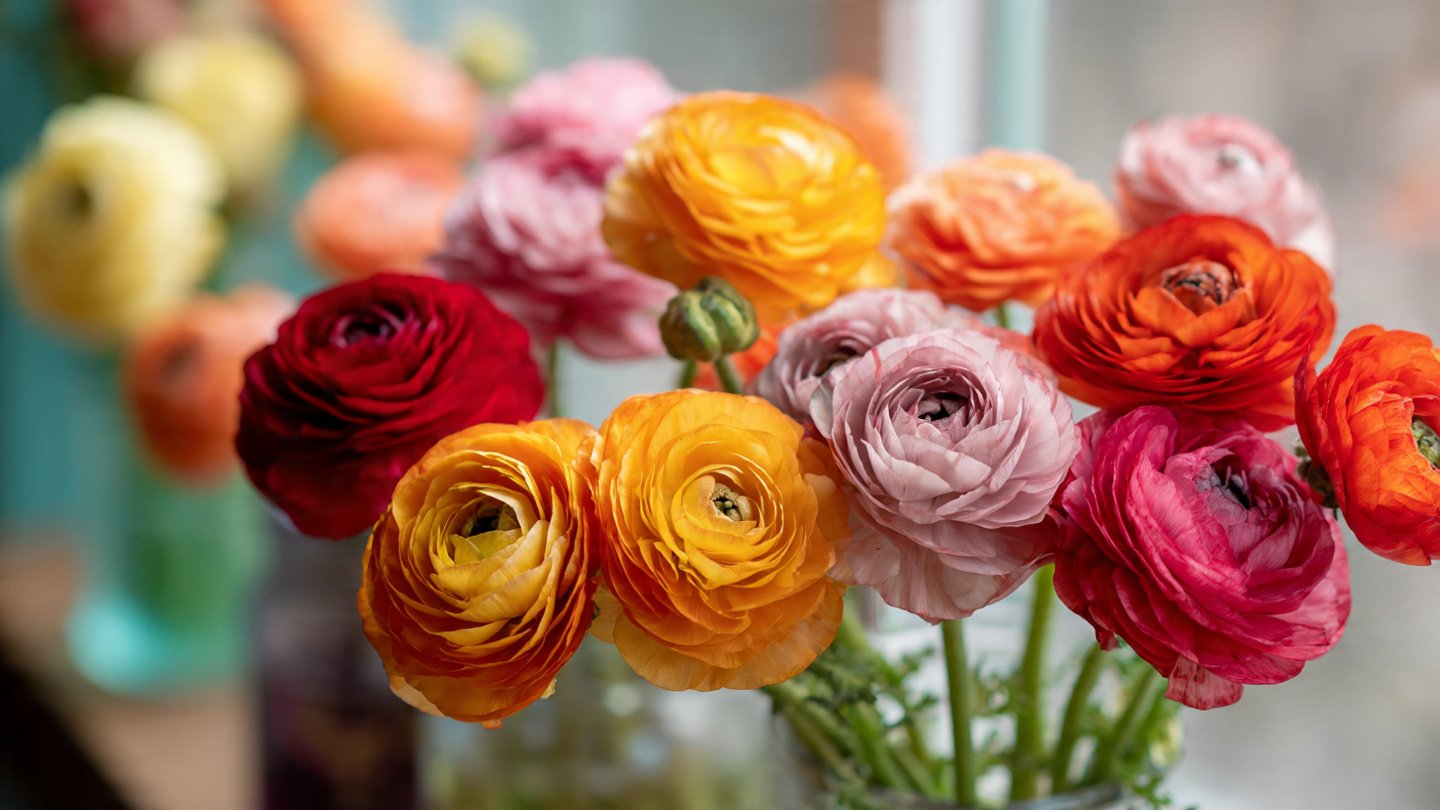
Ranunculus flowers, with their exquisite layered petals and vibrant colors, are one of the most stunning additions one can make to a home garden. Often used in bouquets and floral arrangements, these flowers can be grown with a bit of knowledge and care. Whether you’re looking to add a splash of color to your garden or want to cultivate these beauties in containers, this comprehensive guide will equip you with everything you need to know to grow ranunculus flowers at home.
Table of Contents
- Understanding Ranunculus
- Choosing the Right Varieties
- Preparing for Planting
- Soil Requirements
- Planting Ranunculus Bulbs
- Watering and Fertilizing
- Sunlight and Temperature Requirements
- Managing Pests and Diseases
- Harvesting and Caring for Cut Flowers
- Frequently Asked Questions (FAQs)

1. Understanding Ranunculus
Ranunculus, commonly known as buttercups, are perennial flowers from the Ranunculaceae family. Many varieties bloom in late spring to early summer, offering a beautiful array of colors ranging from soft pinks to vibrant yellows and whites. Their resilient nature makes them suitable for various climates, though they thrive in specific conditions.
2. Choosing the Right Varieties
While there are numerous species, the most popular for garden cultivation are:
- Ranunculus asiaticus: Known for its stunning double petals and vibrant colors.
- Ranunculus repens: More commonly seen in the wild, often used for ground cover.
- Ranunculus bulbosus: Has simpler, single flowers and can be found in meadows.
For home gardens, Ranunculus asiaticus is the obvious choice due to its striking beauty and ease of care.
3. Preparing for Planting
Timing:
Ranunculus bulbs are typically planted in late winter to early spring. In warmer climates, they can also be planted in the fall.
Location:
Choose a site with well-draining soil and good airflow. A location that receives full sun to partial shade is ideal.

Containers vs. Ground Planting:
Both options are viable. Containers are excellent for limited spaces and allow for easier pest management, while ground planting offers increased size and variety.
4. Soil Requirements
Ranunculus prefers well-draining, sandy or loamy soil with a pH level of 6.0 to 7.5. Follow these steps to prepare your soil:
- Clear the Area: Remove any weeds, rocks, or debris.
- Amend the Soil: Incorporate organic matter like compost or well-rotted manure to improve drainage and enrich nutrient content.
- Test pH: Use a soil test kit to determine the pH level and adjust if necessary with lime to raise pH or sulfur to lower it.
5. Planting Ranunculus Bulbs
Steps to Plant:
- Bulb Preparation: Soak the bulbs in water for about 3-4 hours before planting. This helps to hydrate them and encourages quicker growth.
- Digging Holes: Create holes about 2 inches deep and 4-6 inches apart.
- Planting Orientation: Place the bulbs with the pointed end facing up. Cover with soil and lightly pack it down.
- Watering: Water the area gently to settle the soil around the bulbs.

6. Watering and Fertilizing
Watering:
Ranunculus requires consistent moisture, especially during its growing period. However, be cautious of over-watering, as this can lead to bulb rot. A good rule of thumb is to keep the soil moist but not soggy.
Fertilizing:
Use a balanced fertilizer (10-10-10) around once a month after the plants establish. During blooming, switch to a fertilizer higher in potassium to encourage stronger blossoms.
7. Sunlight and Temperature Requirements
Ranunculus thrives in full sun, meaning at least 6 hours of direct sunlight each day. However, in hotter climates, providing some afternoon shade can help prevent the plants from wilting.
Temperature:
The ideal temperature range is between 50°F and 70°F. Ranunculus is sensitive to frost; if you’re in a particularly cold area, consider covering them or bringing container plants indoors during cold spells.
8. Managing Pests and Diseases
Common Pests:
- Aphids: They can be managed with insecticidal soap or neem oil.
- Snails and Slugs: Utilize traps or diatomaceous earth around the base of the plants.
- Spider Mites: Reduce humidity and consider introducing beneficial insects, like ladybugs.

Diseases:
- Fungal Diseases: Over-watering can lead to diseases like root rot. Ensure good drainage, and if you notice signs, treat with a fungicide.
- Botrytis Blight: Often appears as gray mold; ensure good air circulation and avoid wetting the foliage during watering.
9. Harvesting and Caring for Cut Flowers
When it’s time to cut your ranunculus flowers, wait for them to bloom fully. Follow these steps:
- Use Clean Shears: This prevents the spread of diseases.
- Cut at an Angle: This allows for better water absorption.
- Place Immediately in Water: Keep them in water until you’re ready to arrange your bouquet.
10. Frequently Asked Questions (FAQs)

Q1: How long do ranunculus flowers last?
Ranunculus can bloom for several weeks if cared for properly. Once cut, they can last in a vase for about 5-10 days.
Q2: Can I grow ranunculus indoors?
Yes, ranunculus can be grown indoors, especially in pots. Ensure they receive enough sunlight and keep them well-watered.
Q3: What should I do with ranunculus after they bloom?
Once blooming is finished, let the foliage die back naturally. This helps the bulbs store energy for the next season. You may lift and store the bulbs if you live in a region with frost.
Q4: Do ranunculus attract bees?
Yes, ranunculus are known to attract bees and other pollinators, making them a great addition to any garden aimed at supporting local wildlife.
Q5: Are ranunculus toxic to pets?
Ranunculus can be toxic to pets, particularly if ingested. Keep an eye on pets around these flowers and consult a vet if you suspect ingestion.
Growing ranunculus at home can be a rewarding experience, offering the chance to enjoy their stunning blooms while enhancing your garden. With the right care and conditions, you can cultivate these flowers successfully, creating a beautiful space filled with vibrant color and life. Whether you’re a seasoned gardener or a beginner, following this guide will set you on the path to success. Happy planting!