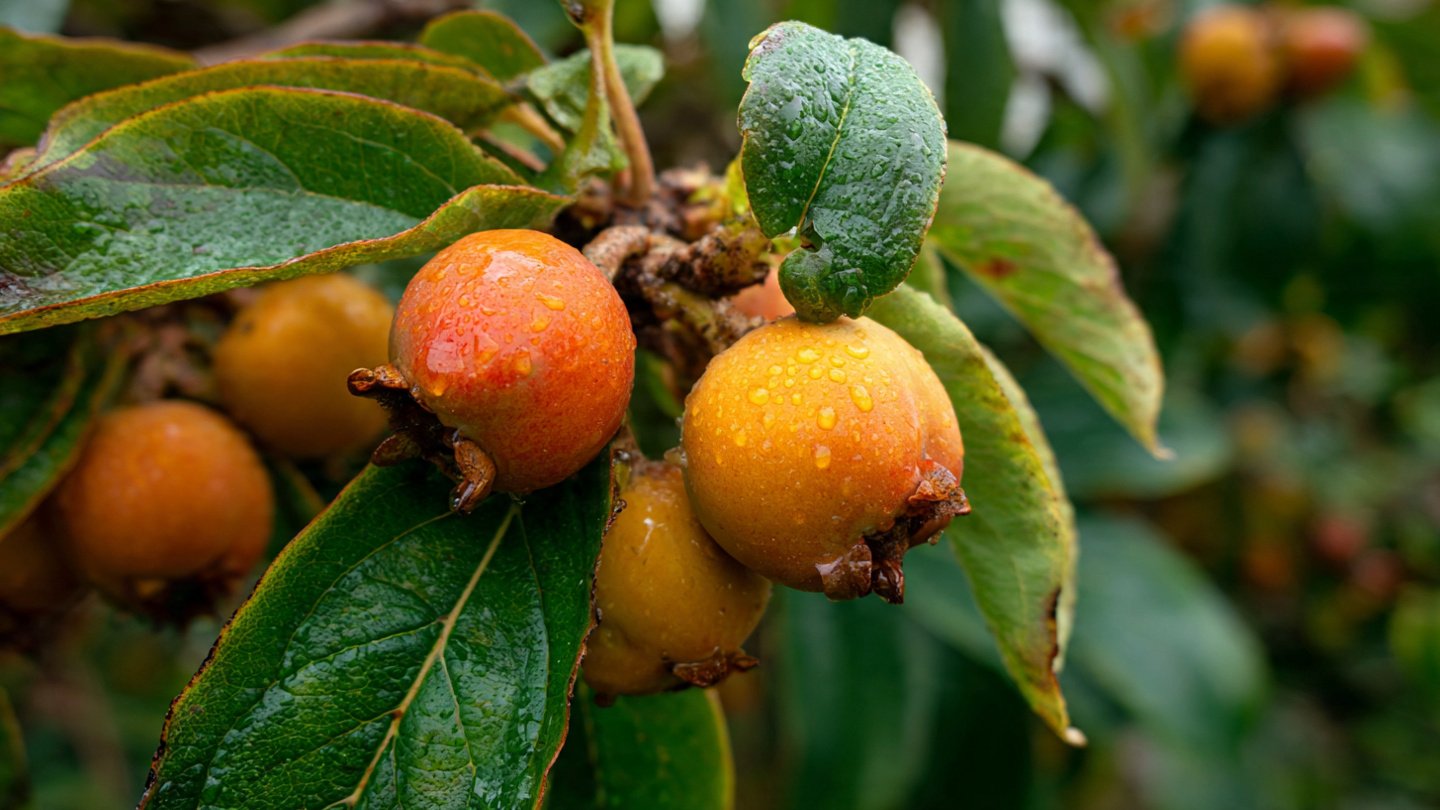
A Complete Guide to Successfully Growing Medlar Trees in Your Backyard
Introduction to Medlar Trees
Medlar (Mespilus germanica) is a unique fruit tree known for its historical significance and distinctive fruit. Originating from the Mediterranean region, it features a fascinating range of uses, from culinary applications to ornamental aesthetics. Its rustic charm and hardiness make it an appealing choice for home gardeners looking to add something extraordinary to their collections.
Benefits of Growing Medlar Trees
- Ornamental Appeal: Medlar trees have beautiful, white flowers in spring and lush foliage that turns vibrant shades in autumn.
- Unique Fruit: The medlar fruit has a unique flavor profile and can be used in various culinary applications.
- Rarely Pests: They are generally resistant to pests and diseases, making them relatively low-maintenance.
- Biodiversity: Growing medlar trees supports local biodiversity and can attract beneficial wildlife.
Selecting the Right Location
Choosing the right location in your backyard is crucial for a successful medlar tree. Here are key factors to consider:

- Sunlight: Medlar trees thrive in full sun, requiring at least six hours of direct sunlight daily.
- Soil Quality: They prefer well-drained, sandy or loamy soils. They can tolerate clay but do best in a slightly acidic to neutral pH (around 6.0 to 7.0).
- Space: Allow adequate space for the tree to grow. Medlar trees can reach heights of up to 20 feet and spread nearly as wide.
Planting Medlar Trees
1. Choosing Your Medlar Variety
There are several varieties of medlar, including the Dutch medlar and the English medlar. Research and select a variety that adapts well to your climate and space.
2. Planting Time
The ideal time to plant is during late fall or early spring when the soil is workable and temperatures are mild. Avoid planting during the frost season.
3. Preparing the Soil
Before planting, prepare the area by:

- Clearing: Remove weeds, grass, and debris from the chosen spot.
- Testing: Check soil pH and amend as needed with compost or sulfur.
- Tilling: Loosen the soil to improve drainage and nutrient availability.
4. Digging the Hole
- Dimensions: Dig a hole that is at least twice the diameter and the same depth as the root ball of the tree.
- Amending: Incorporate organic matter into the soil at the bottom of the hole.
5. Planting the Tree
- Positioning: Place the tree in the center of the hole, ensuring the graft union (if applicable) is above soil level.
- Backfilling: Fill in the hole with native soil, taking care not to compact it too much.
- Watering: Water the tree well after planting to settle the soil.
Care and Maintenance
1. Watering
While medlar trees are drought-tolerant once established, young trees require consistent moisture.
- Frequency: Water young trees weekly, tapering off as they mature.
- Method: Deep watering is preferred to encourage deep root growth.
2. Fertilization
- Timing: Fertilize in early spring before new growth begins.
- Type: Use a balanced, slow-release fertilizer or organic compost.
3. Pruning
Pruning should be done annually to maintain shape and encourage healthy fruit production.
- When to Prune: Late winter or early spring is the best time to prune before new growth starts.
- Method: Remove dead or crossing branches and thin out dense areas to promote air circulation.
4. Pest and Disease Management
Medlar trees are remarkably resilient but can face occasional threats:

- Common Pests: Scale insects and aphids can occasionally appear. Treat with insecticidal soap or neem oil.
- Diseases: Fungal issues like leaf spots can occur. Ensure good air circulation and avoid overhead watering to minimize risks.
Harvesting Medlar Fruit
The unique characteristic of medlar fruit is its need to blet, or over-ripen, before it is edible.
1. Timing
- Harvest Period: Medlar fruits usually ripen in late summer to early fall. Watch for browning and softening of the fruit.
2. Picking Techniques
- Gentle Harvesting: Twist or cut the fruit gently from the branch to avoid damaging the tree.
Culinary Uses of Medlar
Medlar fruit is often underappreciated but has various culinary uses:
- Jams and Jellies: Their high pectin content makes them excellent for preserves.
- Desserts: Medlar can be used in pies or as a sweet topping for cakes.
- Fermentation: Medlar fruit can also be fermented to create flavorful wines or vinegars.
Frequently Asked Questions (FAQs)
1. How fast do medlar trees grow?
Medlar trees generally have a slow to moderate growth rate, taking several years to reach full maturity.

2. Do I need more than one tree for fruiting?
Medlar trees are self-pollinating, so you can grow a single tree and still harvest fruit.
3. Can medlar trees grow in containers?
Yes, medlar trees can be grown in large containers, but ensure they have adequate root space and care for feeding and watering as needed.
4. Are medlar trees hardy?
Once established, medlar trees are quite hardy; they can withstand some frost and drought.

5. How long does it take for medlar trees to bear fruit?
Typically, medlar trees begin to bear fruit in 3 to 5 years if properly cared for.
Conclusion
Growing medlar trees in your backyard is a rewarding endeavor that offers ornamental beauty and unique fruits. With proper care, these trees can thrive for many years, providing you with delicious yields and serving as a vital part of your garden’s biodiversity. Whether you’re interested in their historical significance, culinary uses, or simply the joy of gardening, medlar trees deserve a spot in your backyard garden. With this guide, you’re now equipped to begin your journey into the rewarding world of medlar cultivation!