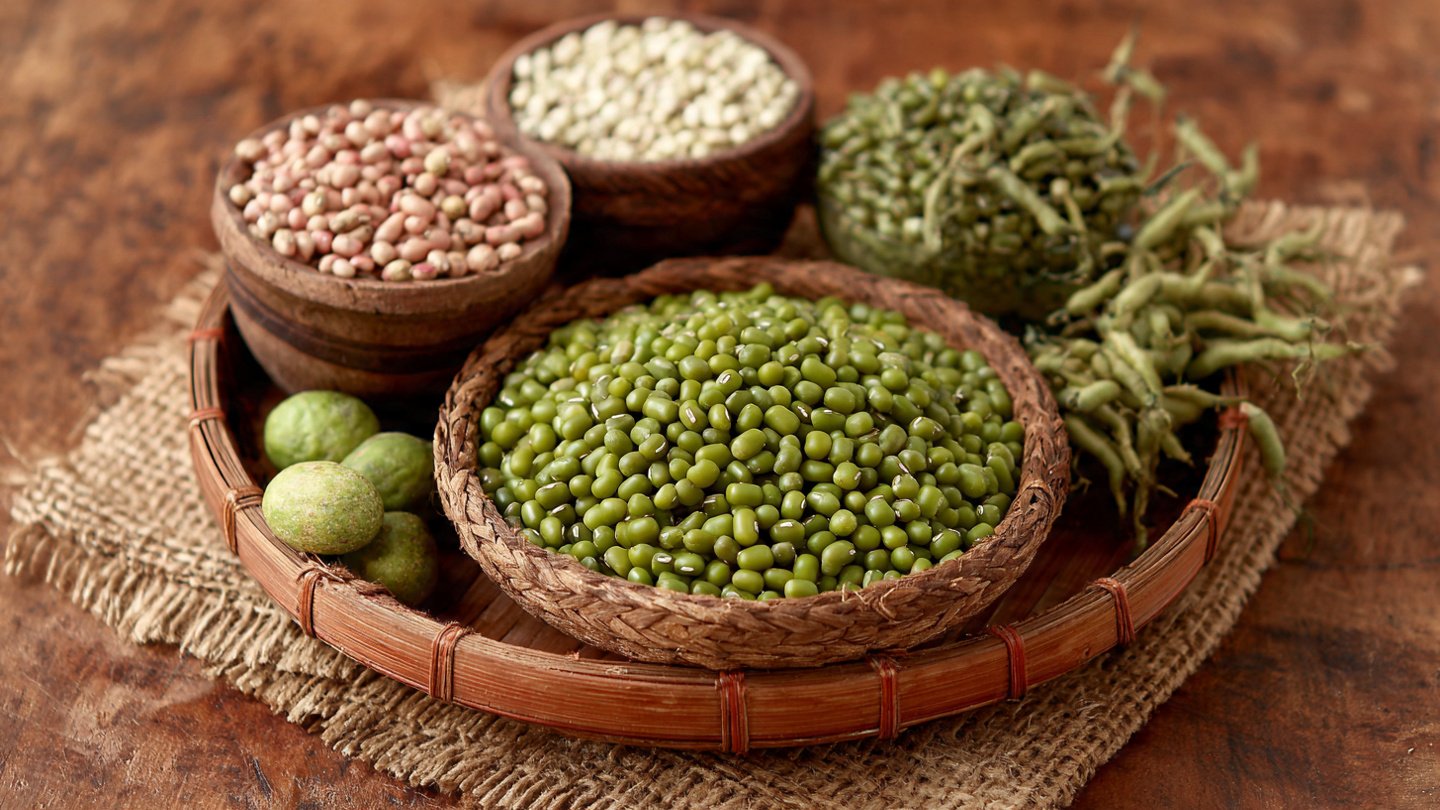
Moong beans, also known as mung beans, are a nutritious legume with a host of health benefits. They are not only rich in protein, fiber, and essential vitamins but are also easy to grow at home. Whether you plan to use them in salads, soups, or as a sprouted snack, growing your own moong beans can be a rewarding experience. This article will guide you through the entire process, from seed selection to harvesting, along with simple techniques to ensure a successful crop.
Understanding Moong Beans
Before diving into the growing process, let’s understand what moong beans are. Scientifically known as Vigna radiata, these small green legumes are native to Asia and have been cultivated for thousands of years. They thrive in warm climates but can be grown in various conditions.
Benefits of Growing Moong Beans
-
Nutritional Value: Moong beans are packed with protein, fiber, antioxidants, and vitamins such as vitamin C, vitamin K, and several B vitamins.
-
Soil Enhancement: As leguminous plants, they fix nitrogen in the soil, improving soil fertility for subsequent crops.
-
Quick Growth: Moong beans have a short growing cycle of about 60-75 days, making them ideal for beginners.
-
Versatility: They can be consumed in various forms, including whole, sprouted, or split, making them a versatile ingredient in many dishes.
Choosing Your Seeds
Types of Moong Beans
There are mainly two types of moong beans available:

- Green Moong Beans: These are commonly used in cooking and sprouting.
- Yellow Moong Beans: These are husked and split moong beans, primarily used in dals and sweets.
For growing purposes, green moong beans are often preferred due to their fibrous pods and easy germination.
Where to Buy Seeds
You can find moong bean seeds at local gardening centers, seed stores, or online retailers. Ensure you choose organic seeds if you prefer a pesticide-free option.
Preparation for Growing Moong Beans
Choosing the Right Location
Moong beans prefer a sunny spot with at least 6-8 hours of direct sunlight daily. A south-facing balcony, patio, or garden bed can be ideal.
Soil Requirement
Moong beans thrive in well-drained sandy loam or clay loam soil. The pH should ideally be between 6.0 and 7.0. You can enhance poor soil by adding well-rotted manure or compost to improve fertility and drainage.
Container Gardening
If you don’t have garden space, moong beans can easily grow in containers. Choose a pot with a depth of at least 8-10 inches and ensure it has drainage holes at the bottom.

Planting Moong Beans
When to Plant
Moong beans can be planted in spring or early summer when the soil temperature reaches around 30°C (86°F). In warmer climates, they can be grown year-round.
Planting Technique
-
Soak the Seeds: Before planting, soak the moong bean seeds in water for about 6-8 hours. This helps to soften the seed coat and speeds up germination.
-
Sowing: Plant the soaked seeds about 1 inch deep in the soil. Space them about 2-3 inches apart to allow for proper growth.
-
Watering: After sowing, water the seeds gently to keep the soil moist but not waterlogged.
Germination Phase
In approximately 3-5 days, you should see the seeds sprouting. Keep the soil consistently moist, and ensure they receive plenty of sunlight during this phase.
Caring for Moong Beans
Watering
Moong beans require moderate watering. Water them regularly, but avoid overwatering as this can lead to root rot. It’s essential to let the top layer of soil dry slightly between watering.

Fertilization
While moong beans can thrive in fertile soil, applying a balanced organic fertilizer (like a 10-10-10 NPK) once every month can enhance growth. Follow the manufacturer’s instructions for dosage.
Weed Control
Keep the growing area weed-free, as weeds can compete with your moong beans for nutrients and water. Hand-pulling or mulching can help minimize weed growth.
Pest Management
Moong beans are generally resistant to pests, but keep an eye out for aphids or spider mites. You can use neem oil or insecticidal soap as an organic solution if you notice an infestation.
Harvesting Moong Beans
Signs of Maturity
Moong beans are ready for harvest when the pods have dried and turned brown. This usually takes 60-75 days after planting.
Harvesting Technique
-
Cutting: Use a sharp knife or scissors to cut the pods from the plant. Be careful not to damage the rest of the plant if you plan to collect more beans later.
-
Drying: Place the harvested pods in a cool, dry area to ensure they dry completely. Once dried, you can remove the beans from the pods.

Storing Moong Beans
Store dried moong beans in an airtight container in a cool, dark place. They can last for several months this way. If you plan to grow them again, save a portion of your harvest as seeds for future planting.
Uses of Moong Beans
Moong beans are incredibly versatile in the kitchen. Here are some popular ways to use them:
- Sprouts: Soak the beans and let them germinate for 2-3 days. Use the fresh sprouts in salads, sandwiches, or stir-fries.
- Curries and Soups: Use whole or split moong beans in a variety of dishes, such as curries, soups, or dals.
- Desserts: Yellow moong beans can be used in desserts, such as halwa or sweet pancakes.
FAQs
1. Can I grow moong beans indoors?
Yes, moong beans can be grown indoors in containers as long as they receive sufficient sunlight. A sunny windowsill can be a great spot.
2. How often should I water my moong beans?
Water your moong beans regularly, about 2-3 times a week. Allow the top layer of soil to dry slightly between watering to prevent waterlogging.
3. What are the ideal growing conditions for moong beans?
Moong beans prefer well-drained, fertile soil with a pH between 6.0 and 7.0, and at least 6-8 hours of direct sunlight daily.

4. How can I tell when my moong beans are ready to harvest?
Your moong beans are ready for harvest when the pods are dry and brown. This usually occurs about 60-75 days after planting.
5. Can I store moong beans after harvesting?
Yes, you can store dried moong beans in an airtight container in a cool, dark place. They can last for several months.
6. Are there any common pests that affect moong beans?
Moong beans are resistant to many pests, but keep an eye out for aphids or spider mites. Neem oil or insecticidal soap can be effective treatments.
7. Why should I soak moong beans before planting?
Soaking moong beans before planting softens the seed coat and helps accelerate germination.
Conclusion
Growing moong beans at home is a fulfilling endeavor that offers various culinary and health benefits. With the right preparation, care, and techniques, even beginners can enjoy a bountiful harvest. Whether used in salads, soups, or as nutritious sprouts, moong beans can enhance your diet and are an excellent choice for home gardening. So, grab some seeds, prepare your garden or selected containers, and embark on an exciting journey into the world of home gardening! Happy gardening!